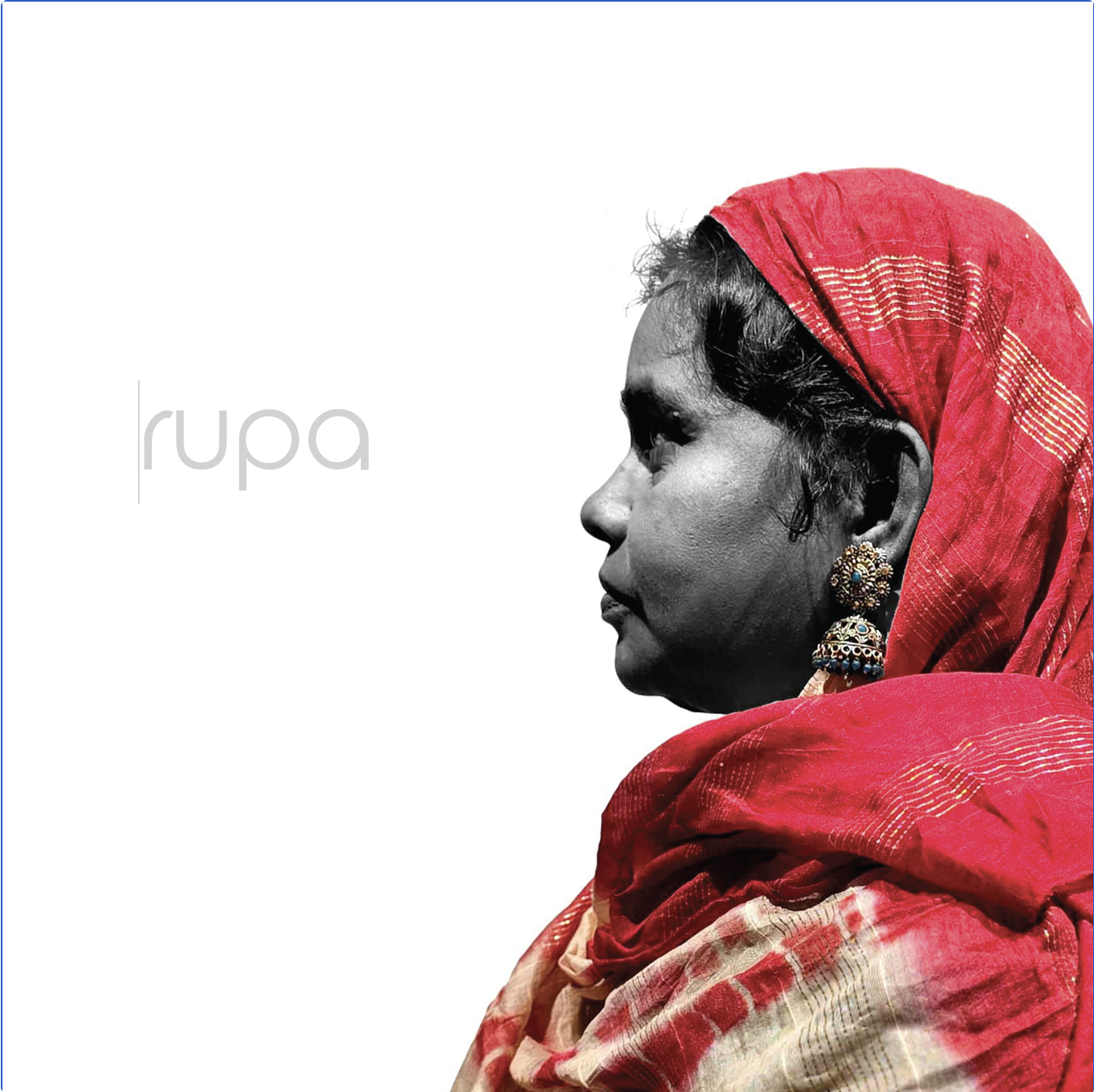
rupa: Quiet negotiation where layered humanity emerges
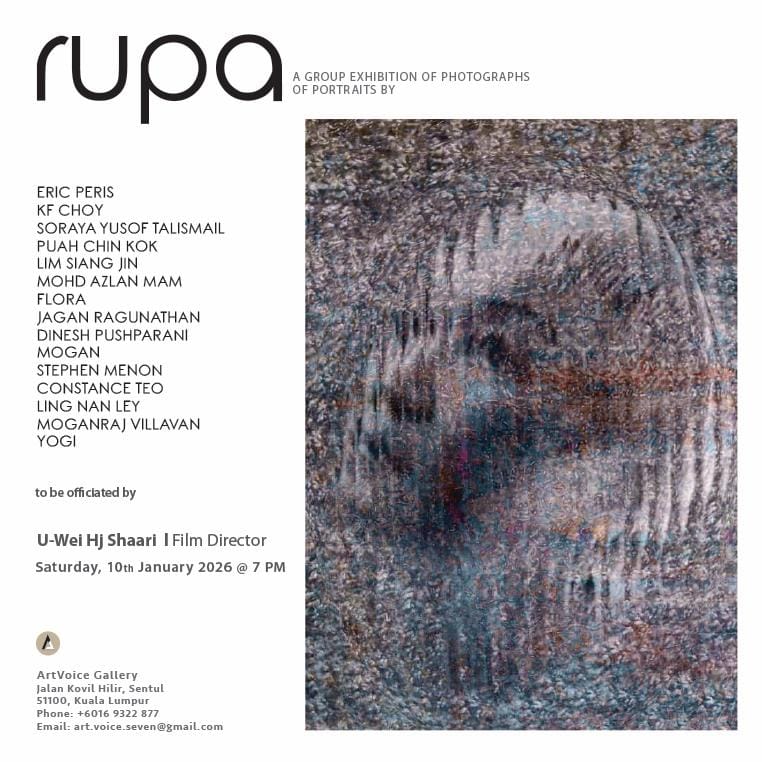
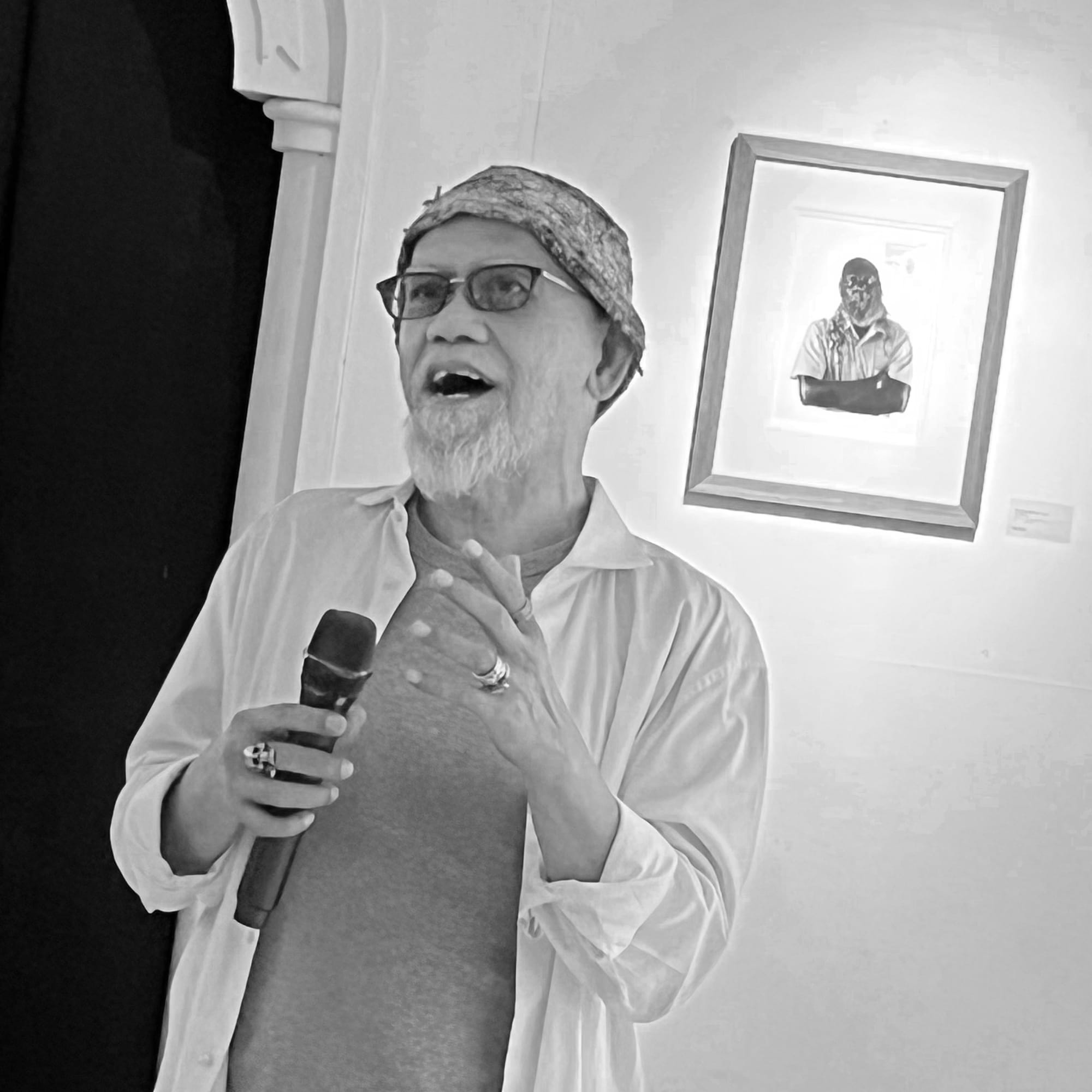
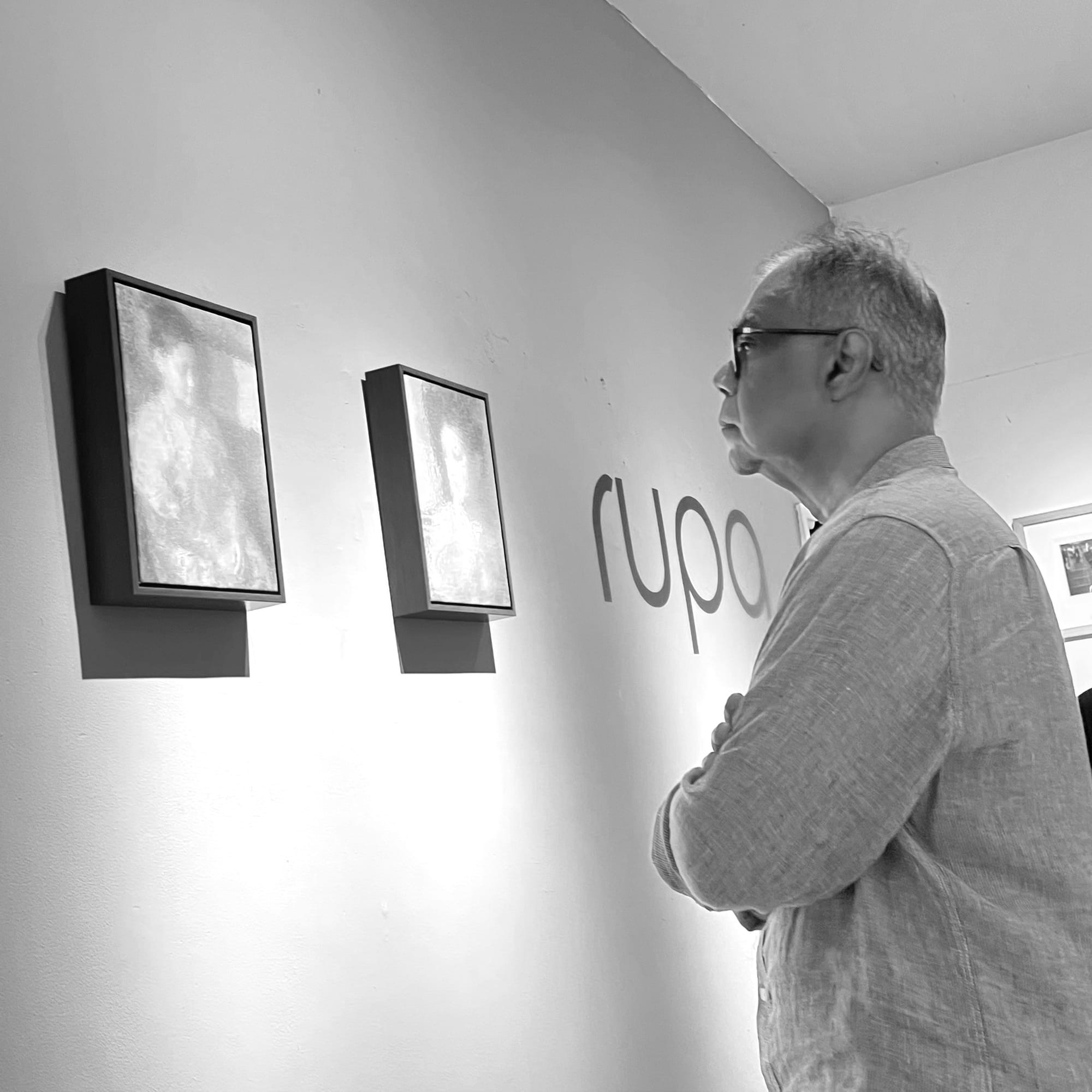
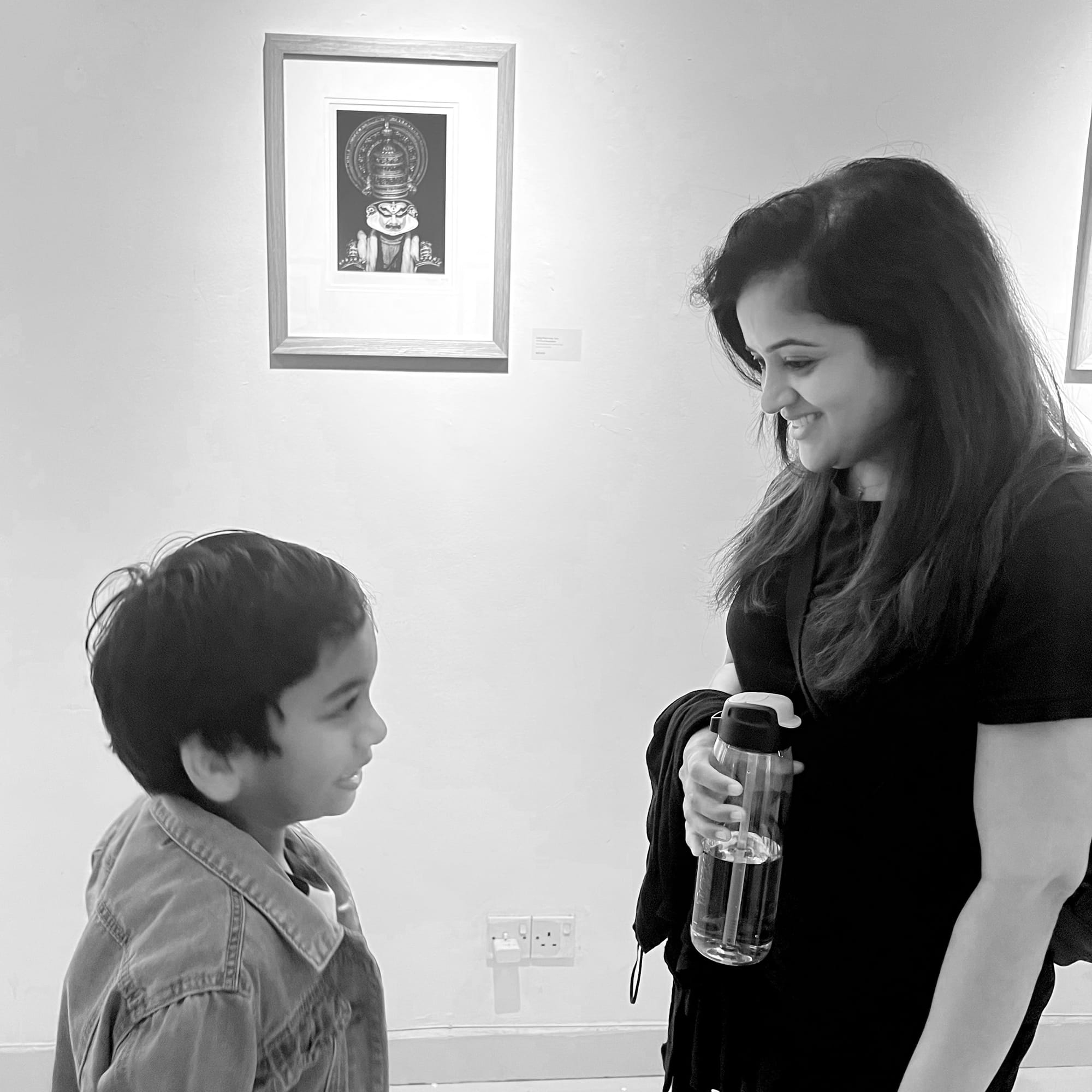
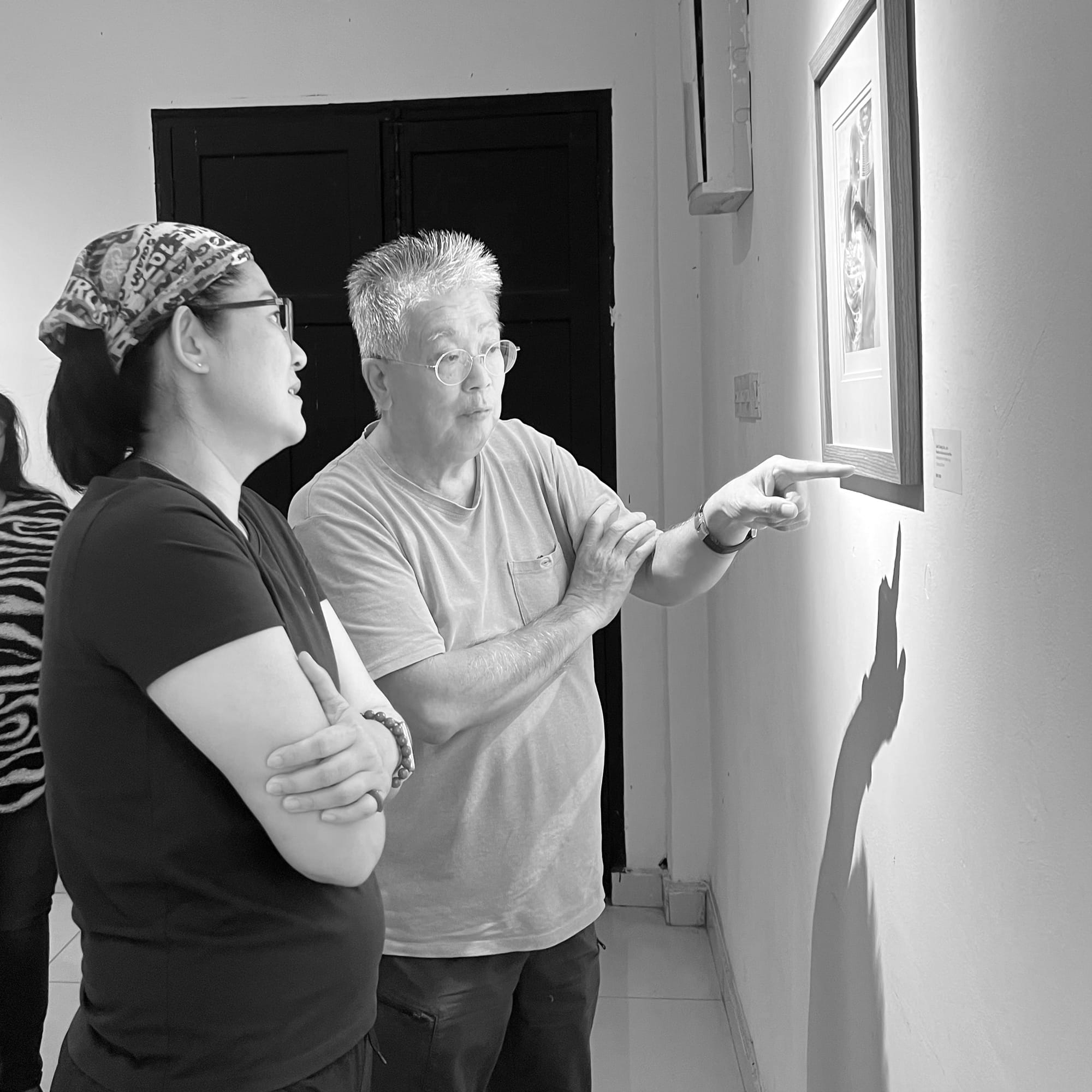
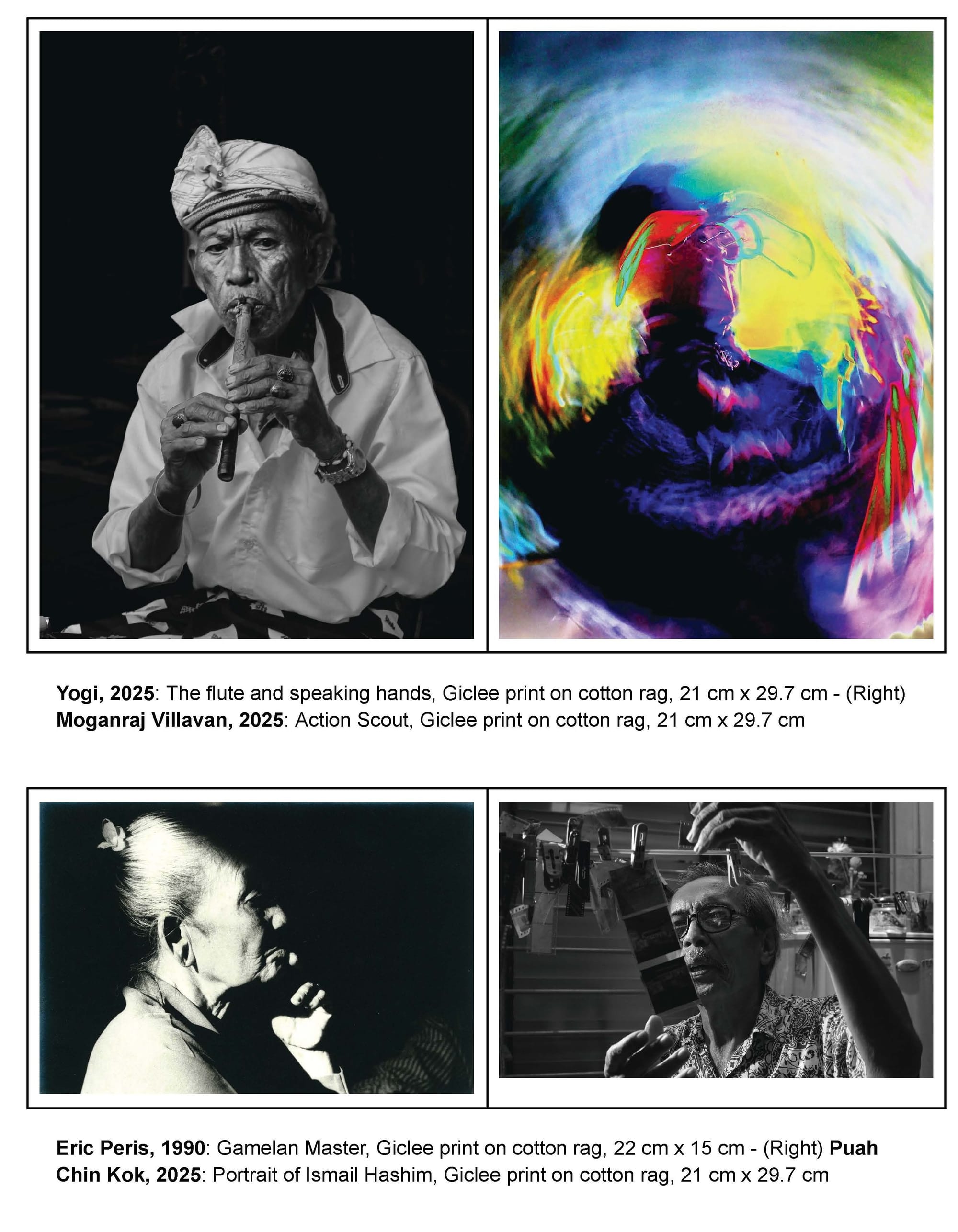
RUPA was an exceptional exhibition on portraiture and photography. An introduction to it by participant and MC Constance Teo encapsulates its essence. I quote it here in its entirety:
“It was a group photography exhibition that treats portraiture not as mere documentation, but as a profound exploration of human identity. Portraiture, after all, is the art of seeing and being seen. It’s the quiet negotiation between the person in front of the lens and the person behind it. And in that space, something honest, layered, and deeply human emerges.
They are stories, mirrors and conversations waiting to happen. “The works in RUPA span everything from meticulously staged studio portraits to spontaneous, candid captures. Each image reveals personality, mood, and essence—sometimes boldly, sometimes subtly, but always with intention. These are not just pictures. They are stories. They are mirrors. They are conversations waiting to happen.
Embrace of contemporary techniques. “A defining feature of this exhibition is its embrace of contemporary techniques. The artists push beyond traditional boundaries, weaving in mixed media, digital enhancements, and painterly elements. The result is a collection of portraits that are vibrant, multidimensional, and wonderfully alive—merging artistry with authenticity in ways that surprise and delight.
Evolution of portrait photography. “Whether the works explore personal identity, professional presence, or pure aesthetic beauty, they invite us to look beyond the surface and discover the narratives that make each subject unique. In doing so, RUPA reminds us that portrait photography continues to evolve—and that its power to connect us, to bridge individuality and universality, remains timeless.”
FMT story and human forms beyond the surface
Terence Teo of FMT, in a story, “ ‘rupa’ challenges viewers to truly look beyond face value”, makes a poignant point: “In an age saturated with images, how often do we slow down and truly look at the people around us? It is easy to behold human forms on the surface level, forgetting that they often hold traces of struggle, tenderness, and resilience that reveal far more than what is immediately seen.” Read more here.
Photography and social activism
Film director U-Wei Hj Shaari, who launched the exhibition on January 10, 2026, reminded the group of photography’s role as a socio-activist medium. He talked about Nan Goldin, the most prominent photographer and activist fighting the US opioid epidemic in the US. She was known for leading protests against the Sackler family (makers of OxyContin) through her group, PAIN. Read more here.
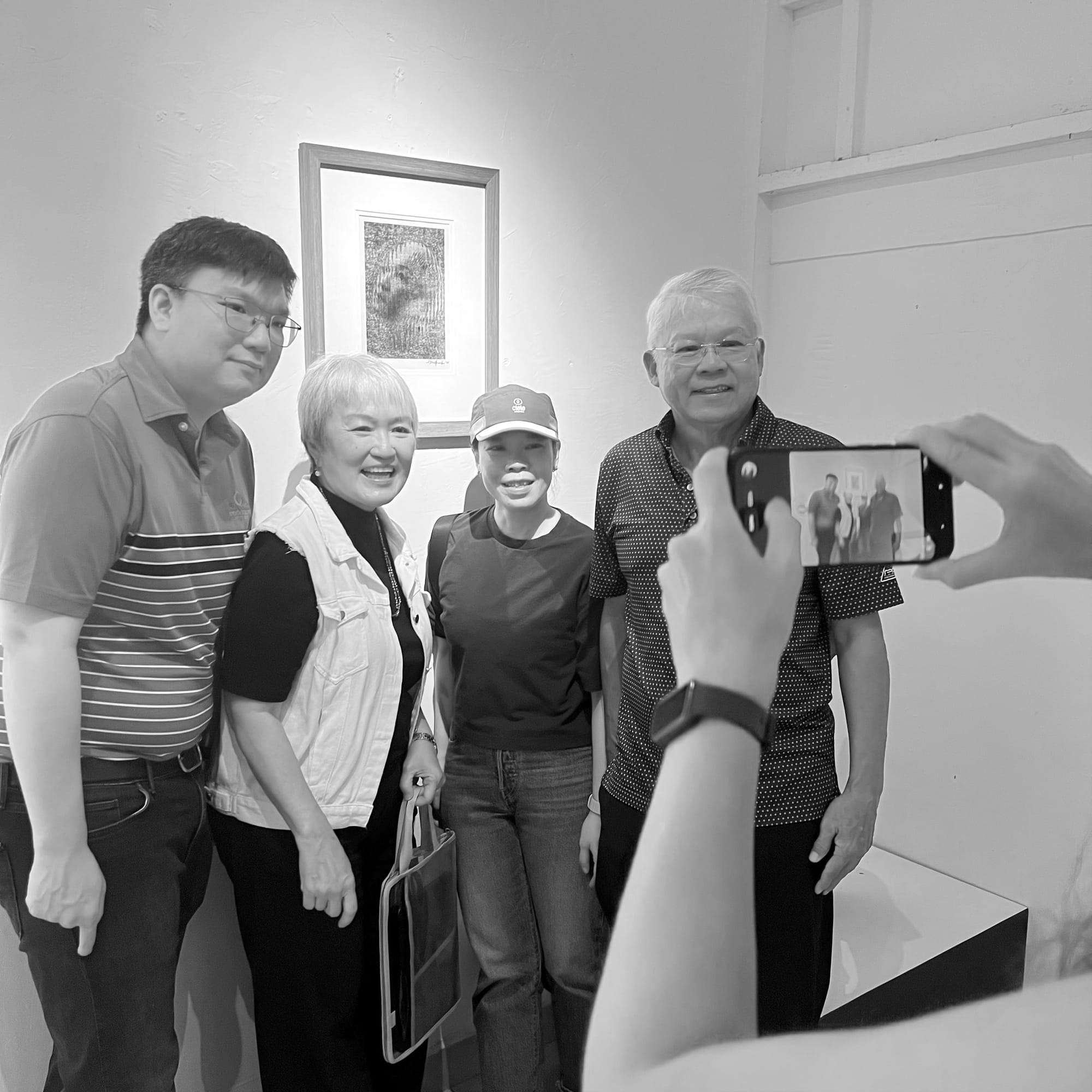
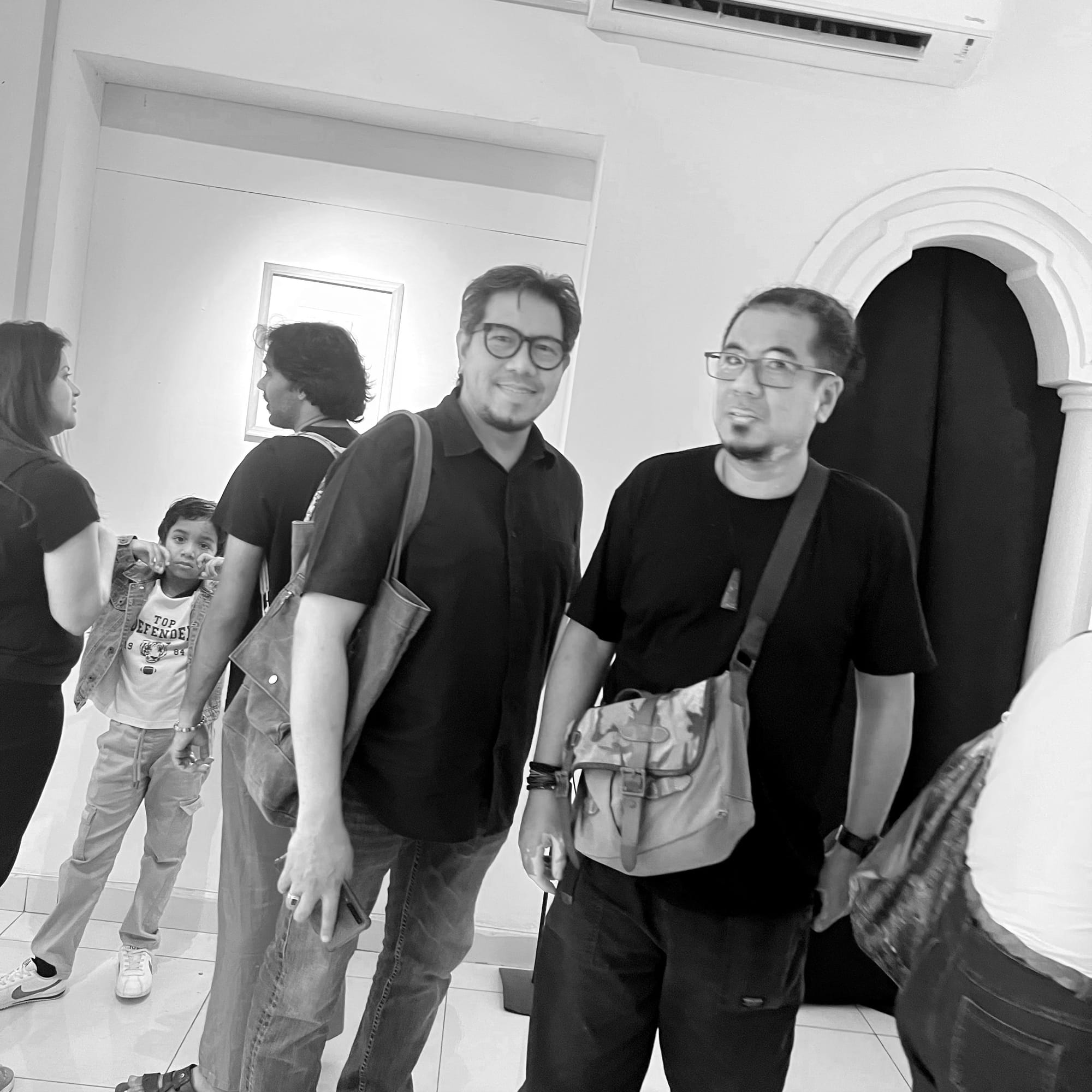
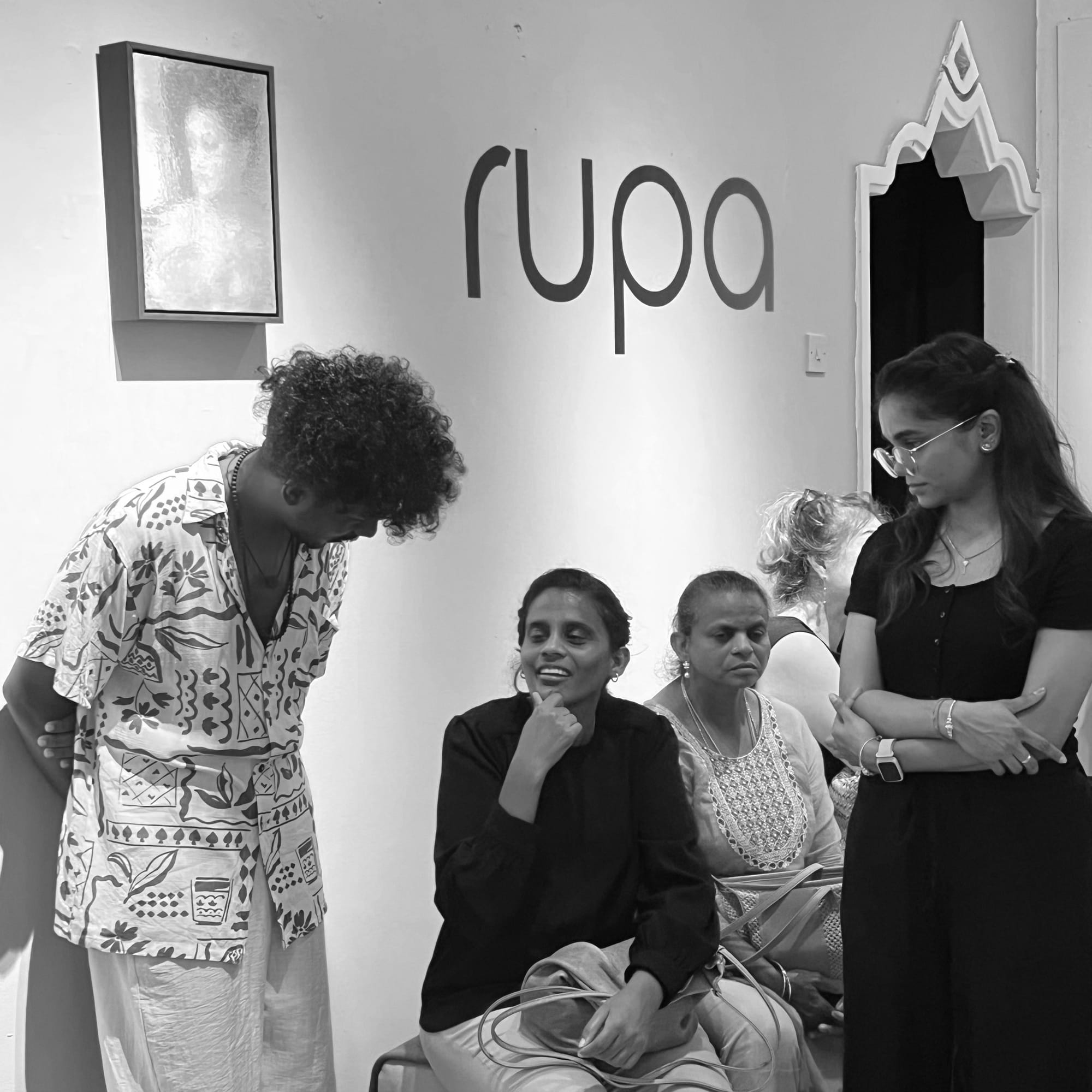
Photos of the show
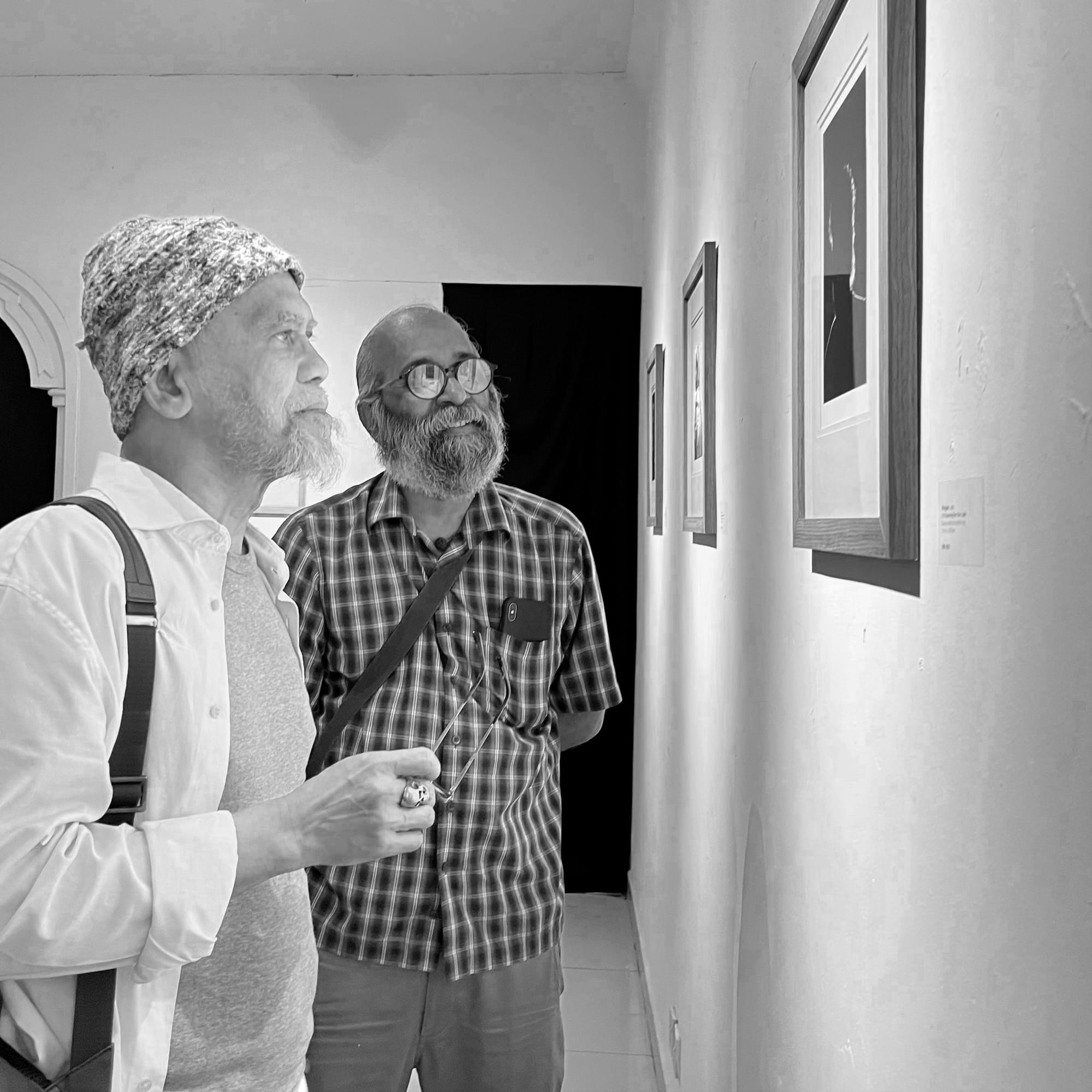
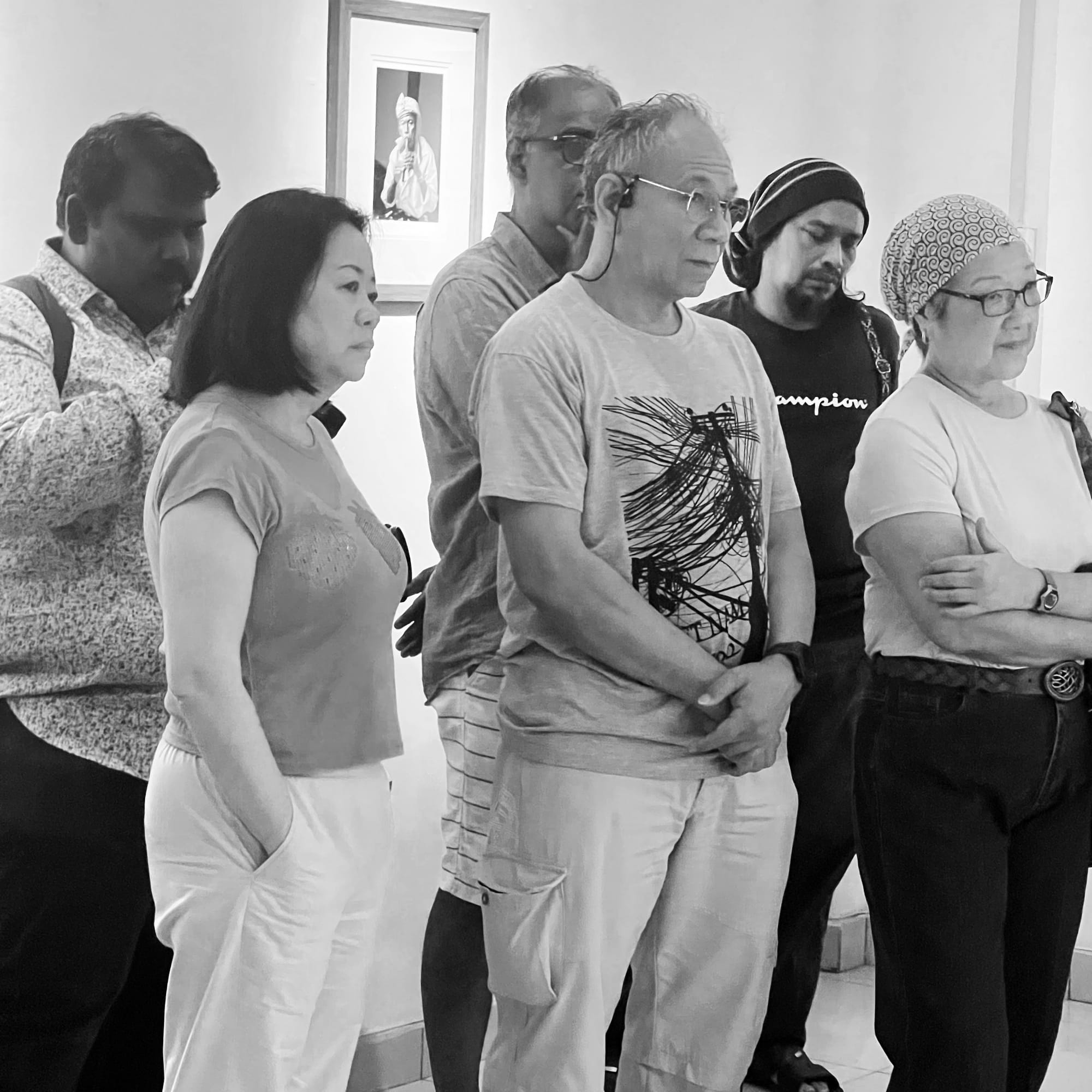
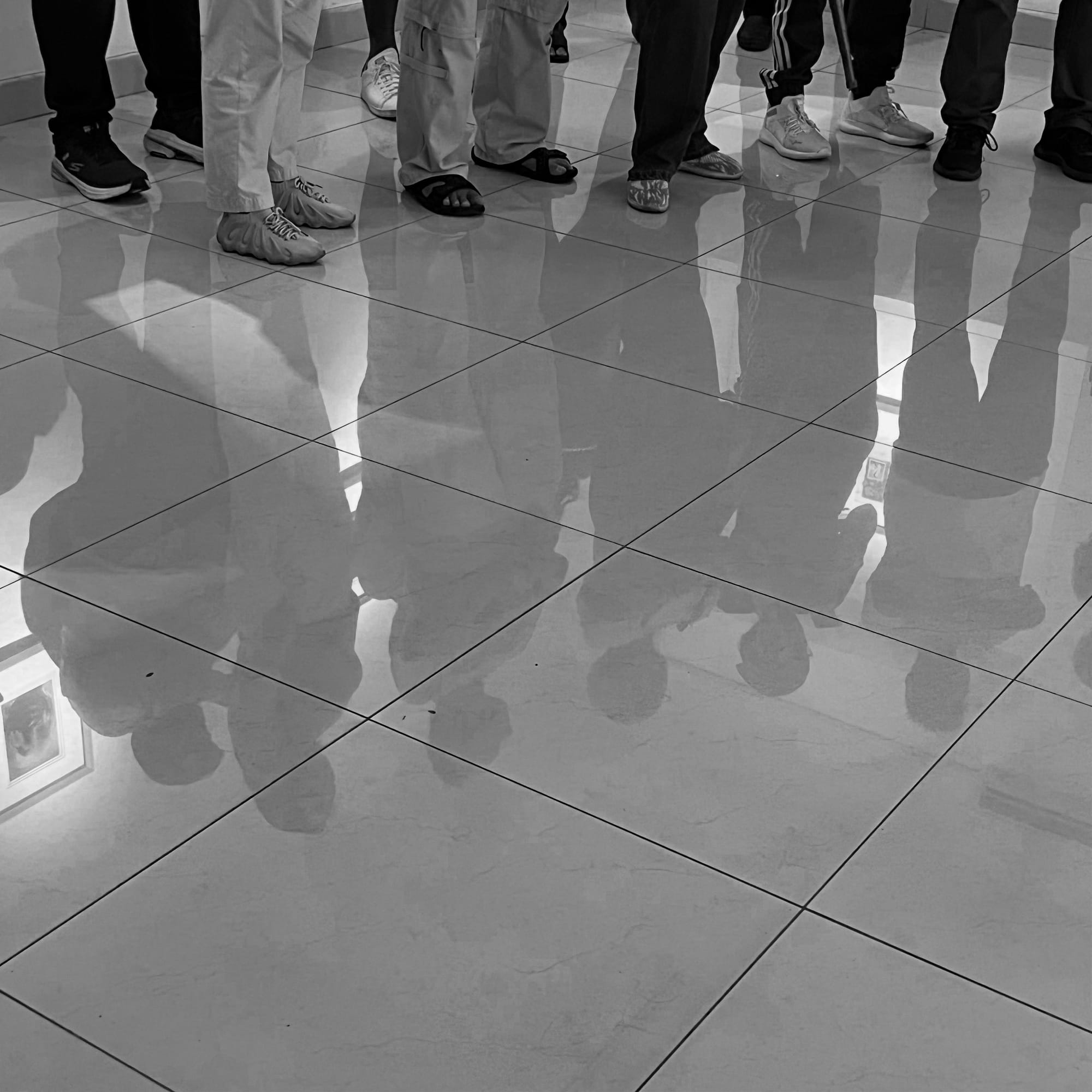
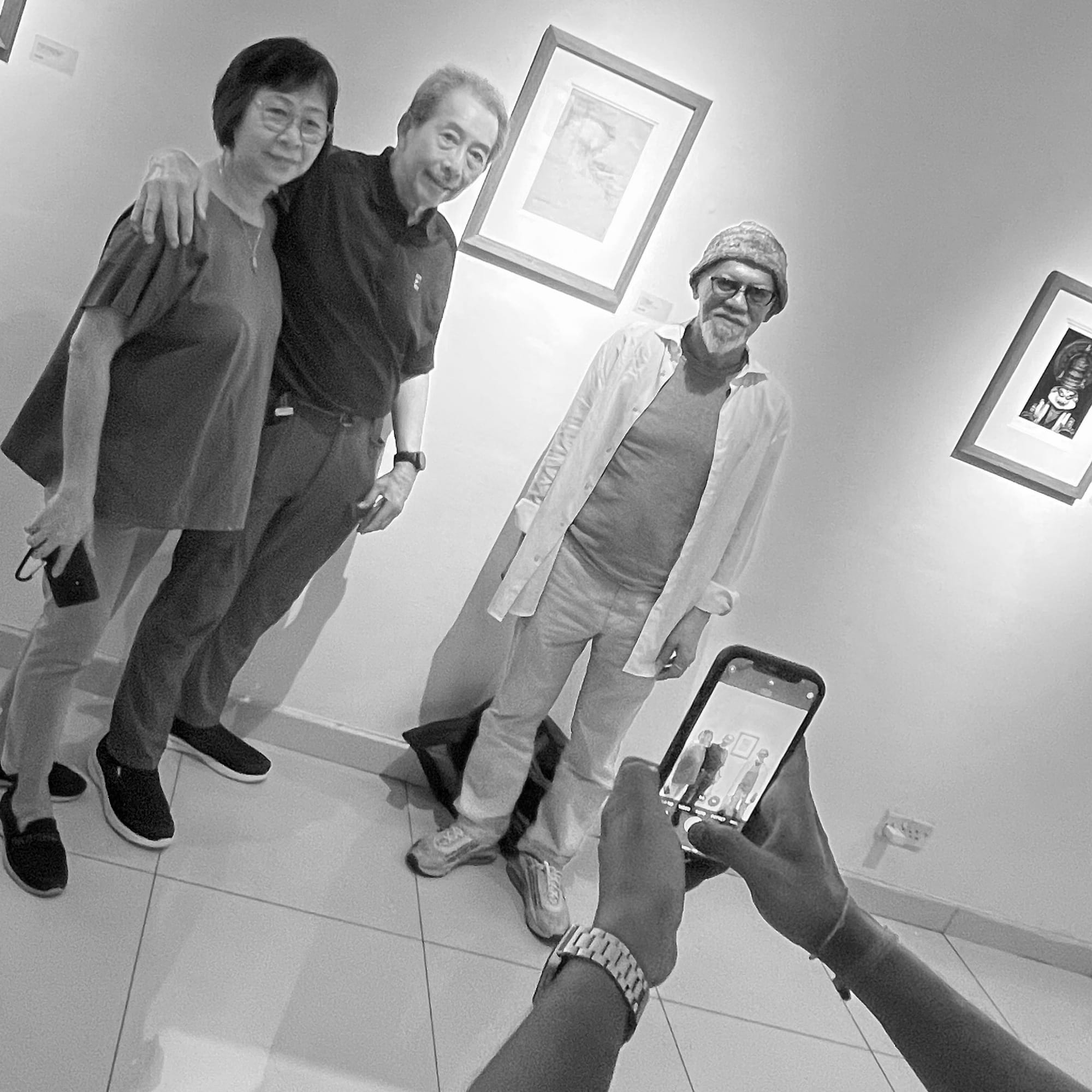
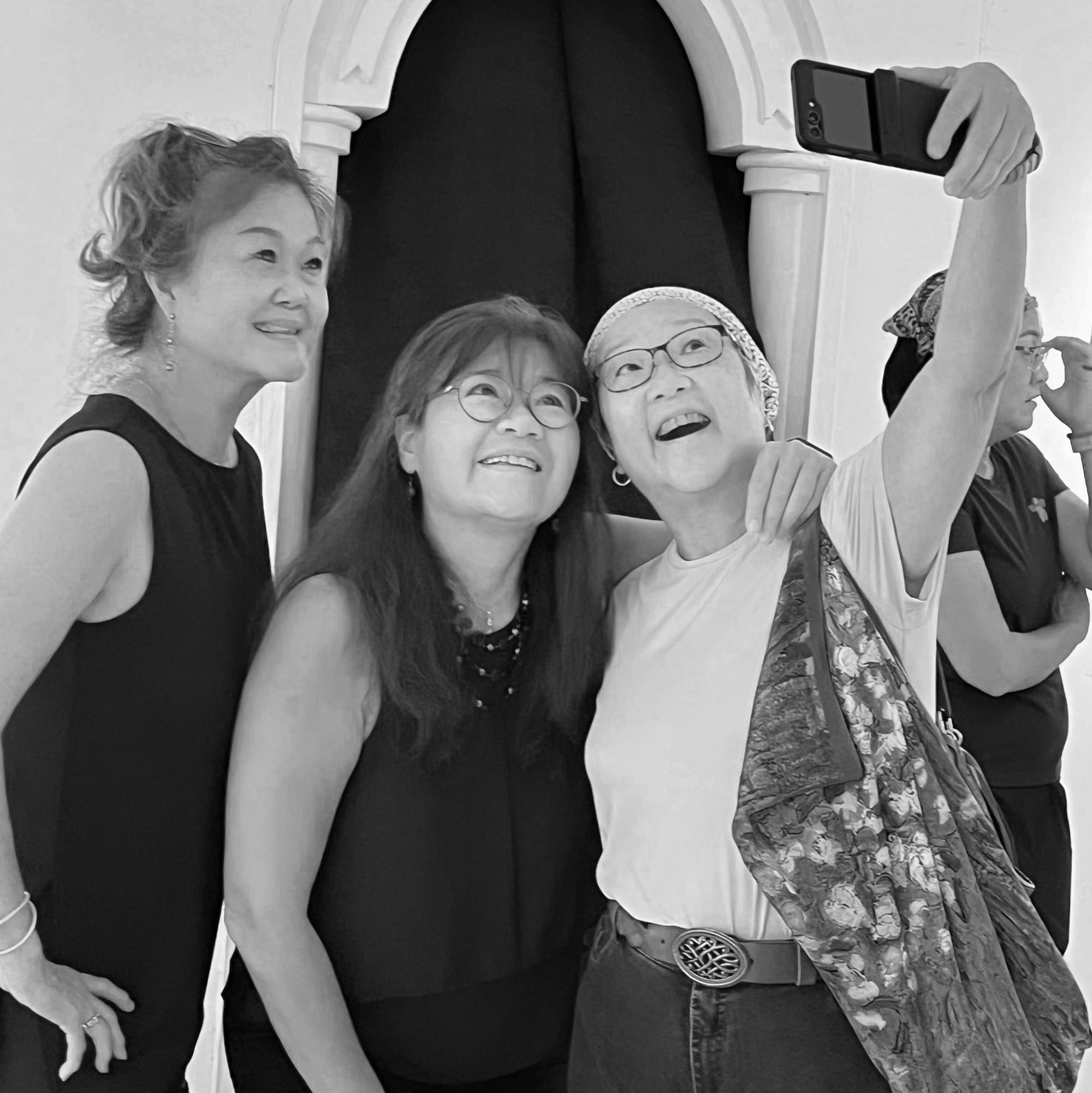
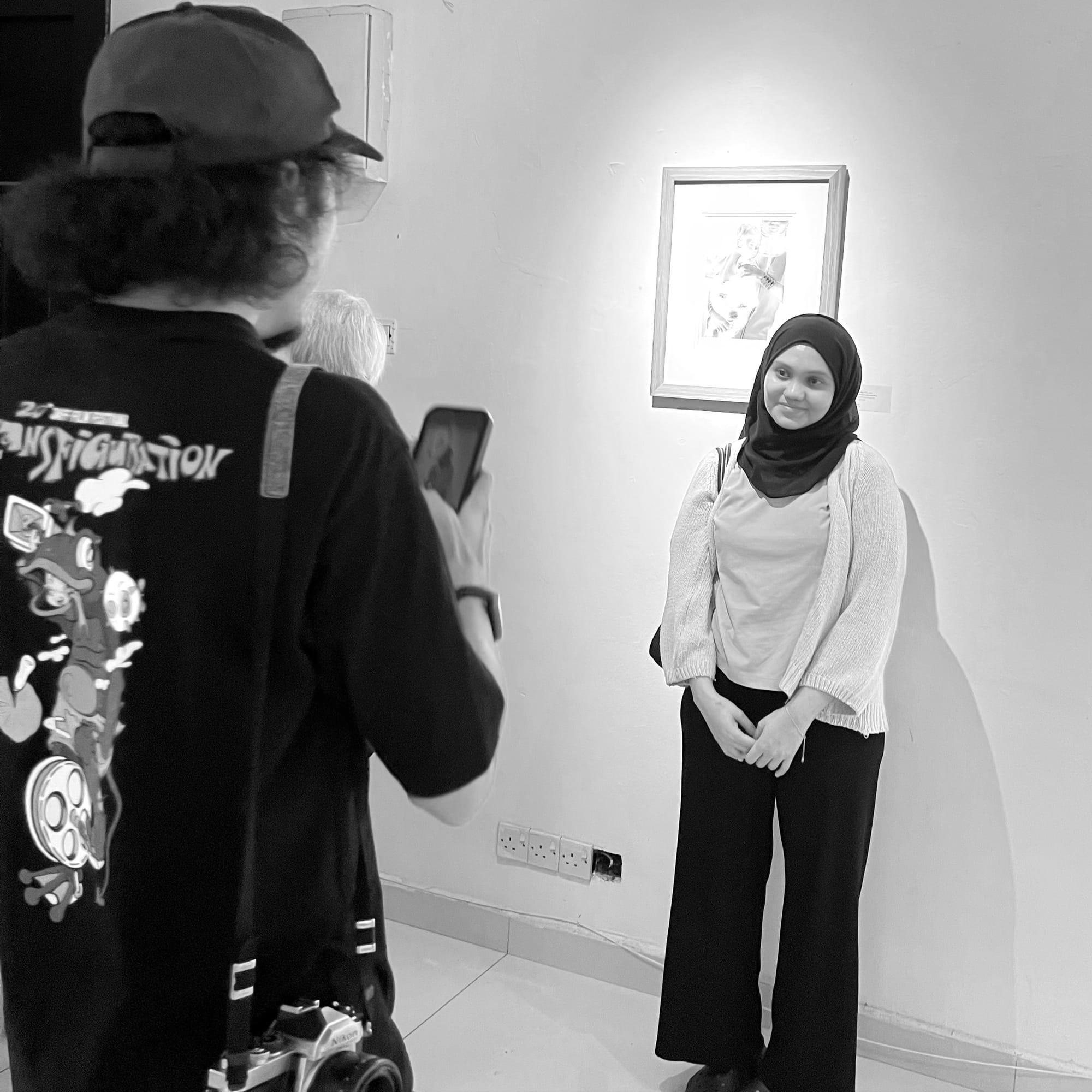
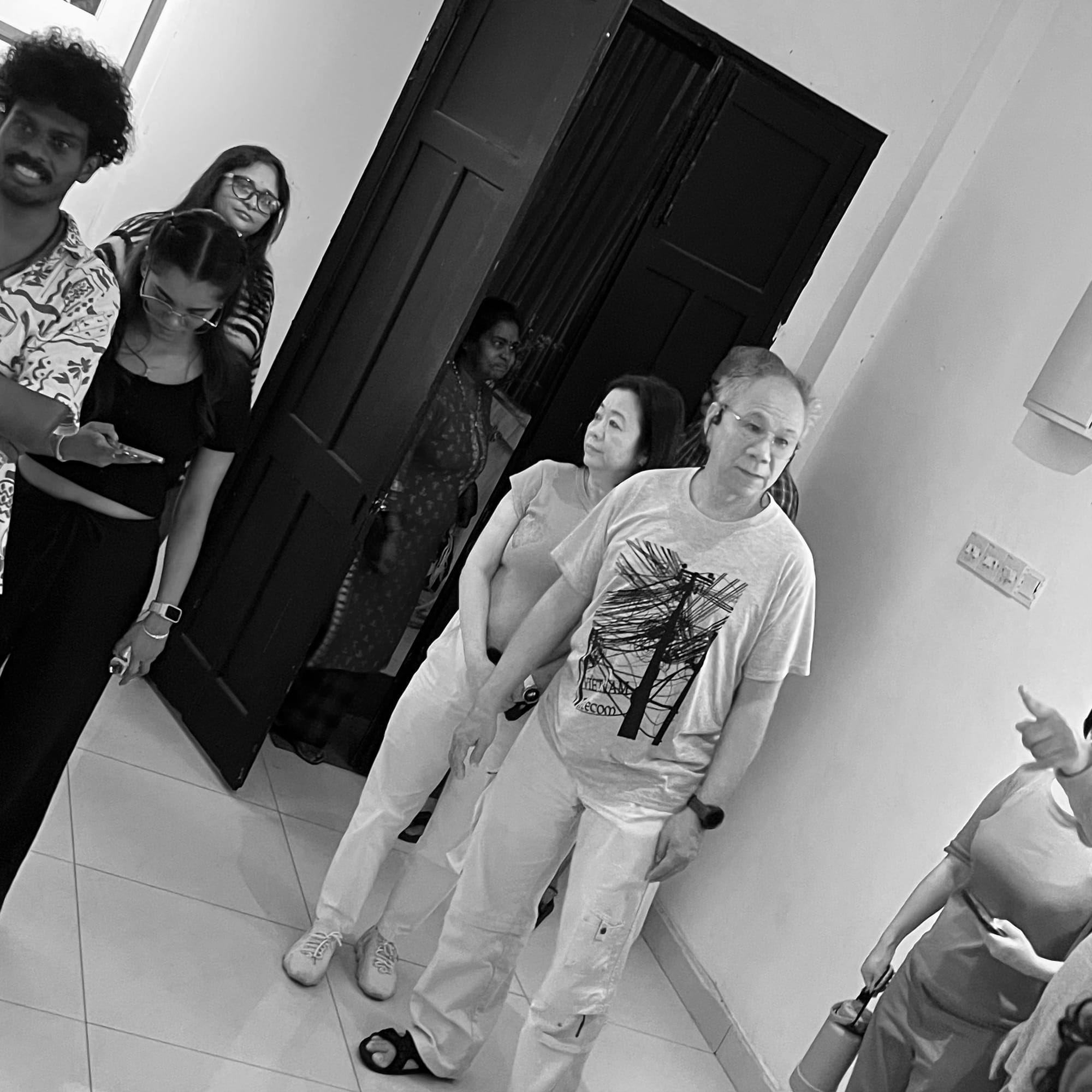
Below, I put together all the photos of the exhibition that was curated by Stephen Menon:
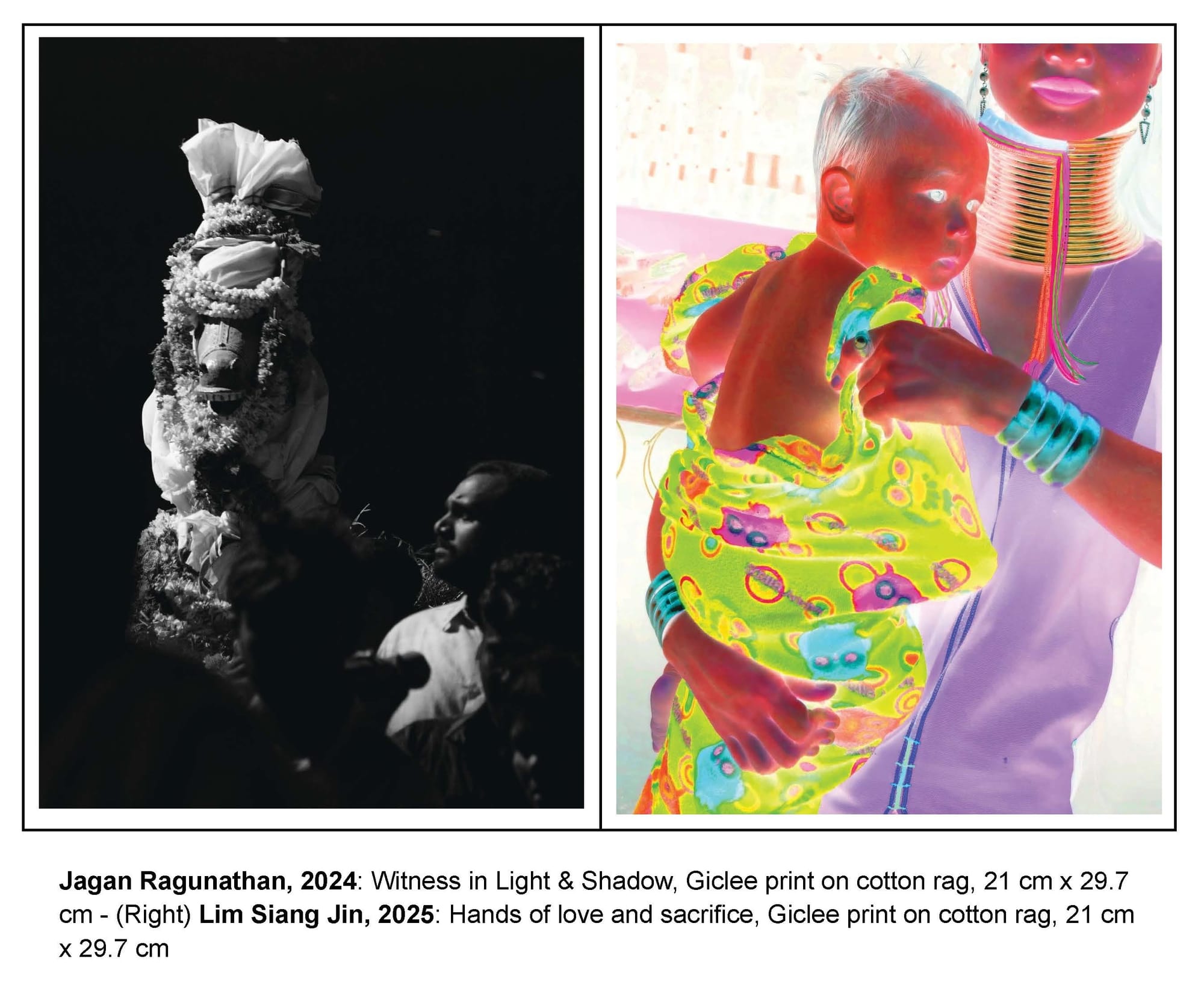
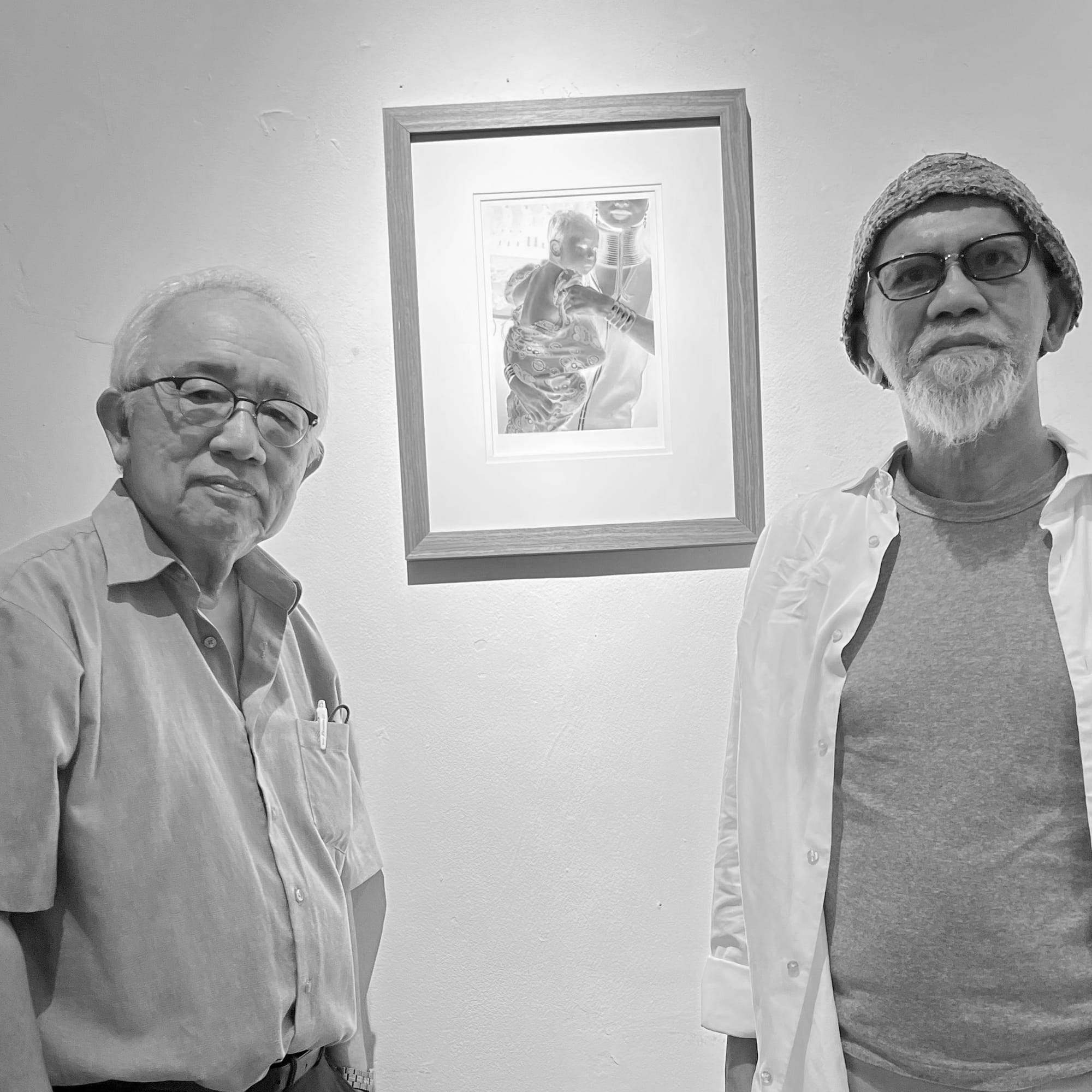
Hands of love and sacerifice: One effect of mass tourism is the commodification of heritage: cultures presented almost unidimensionally, sometimes for a fleeting social-media moment, sometimes as souvenirs in the form of artefacts, especially handiwork. In many ethnically diverse countries, purpose-built “villages” are established to showcase selected communities in reconstructed habitats. Northern Thailand is one such place where the Karen, Shan, Akha, Hmong, and others continue to live—yet are often framed through curated, simplified narratives.
This “long-neck” woman, likely from the Kayan (Padaung) subgroup of the Red Karen, was clearly dressed for her role. Yet maternal instinct refused to go away. She clutched her child tightly, anchoring herself to humanity. In that moment, she could not remain merely a curiosity. She asserted herself as a whole person: a mother earning a living, a homemaker, a caregiver negotiating dignity within constraint.
Because of their distinctive appearance—and because many Kayan communities are poor, displaced, or effectively stateless—the Kayan have become one of the most visible groups entangled in tourism-related activities. This visibility has fuelled persistent ethical debates, especially between exploitation and livelihood.
The brass coils she wore have carried many meanings — cultural identity, beauty, maturity, protection, and belonging. They once signified continuity with ancestral customs and communal pride. They were practised voluntarily within a shared culture. They were passed down through generations. Yet modernity and necessity have changed these meanings. Some women have abandoned the coils. Others have adapted them to meet pressing needs, at the expense of personal dignity.
The Kayan story, then, is not one of curiosity alone. It is a story of resilience under pressure, of adaptation, and of a contested identity unfolding within a rapidly changing world.
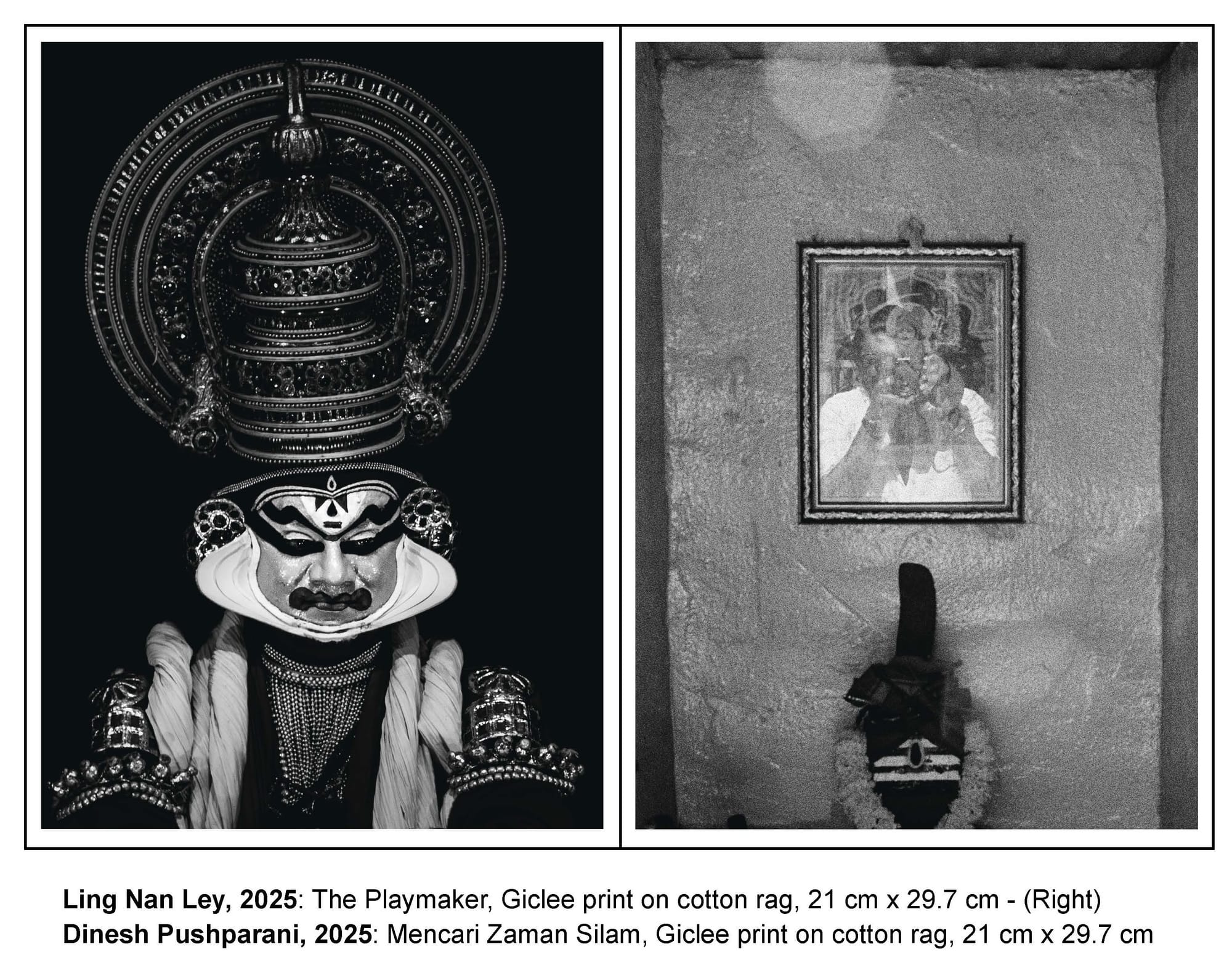
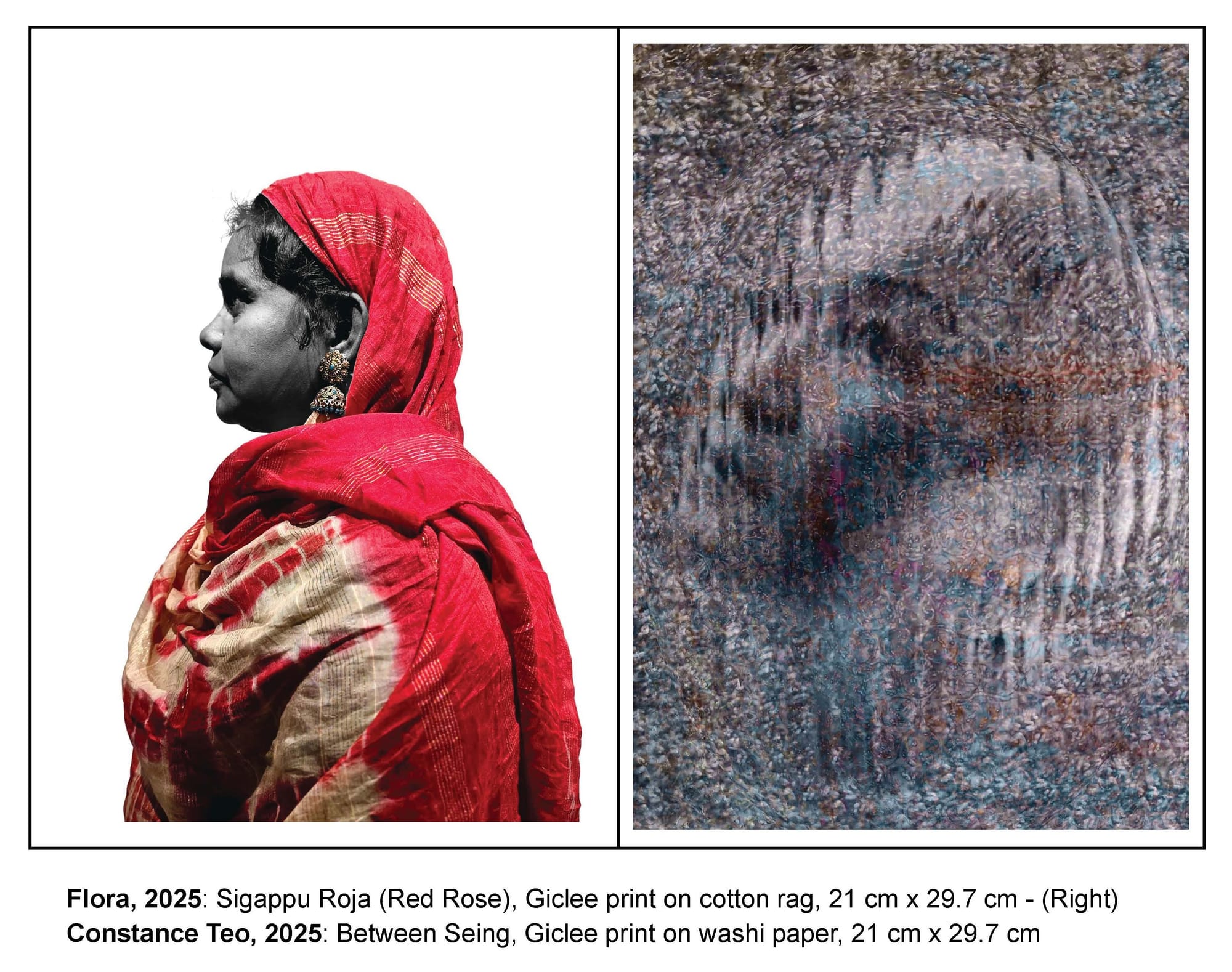
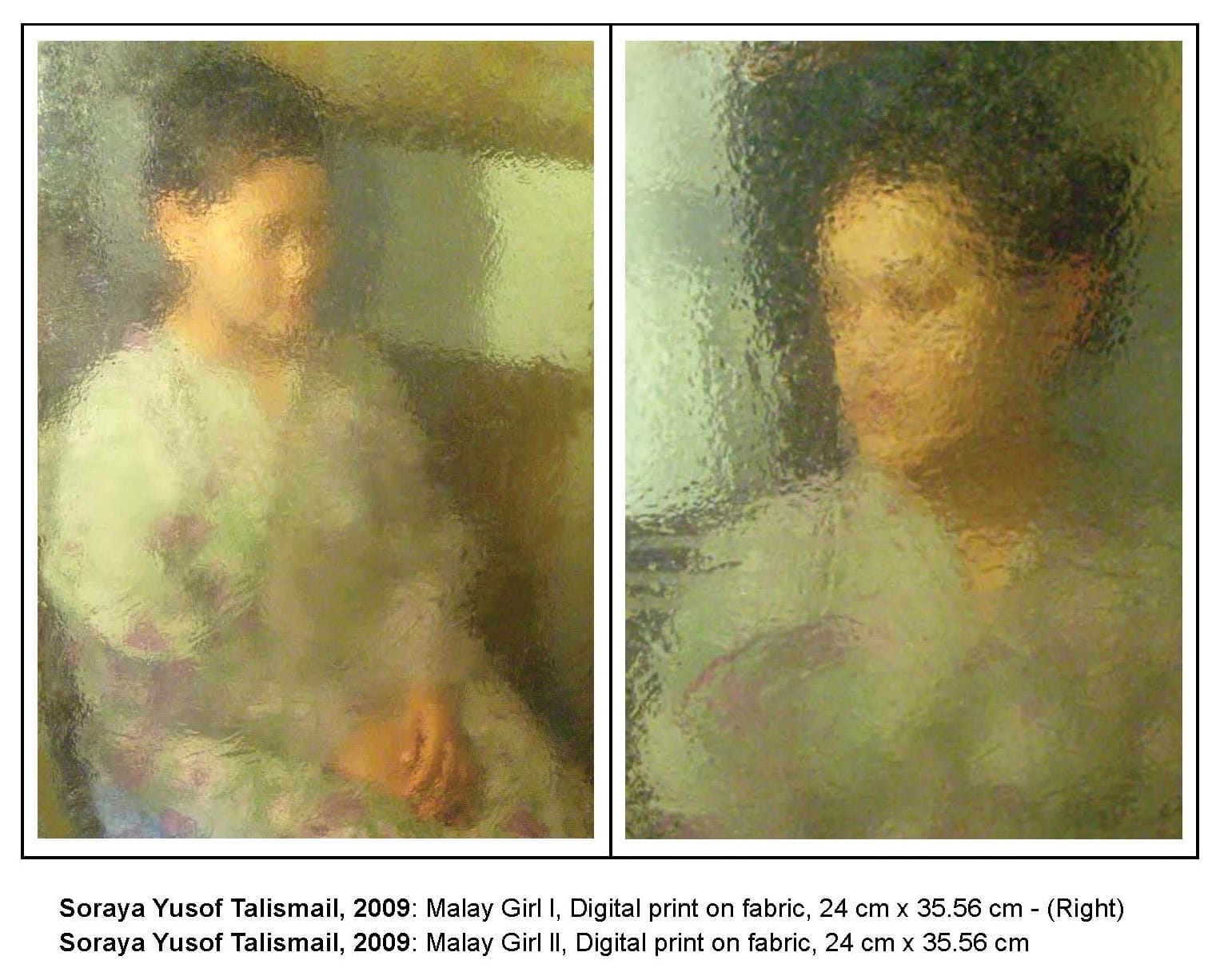
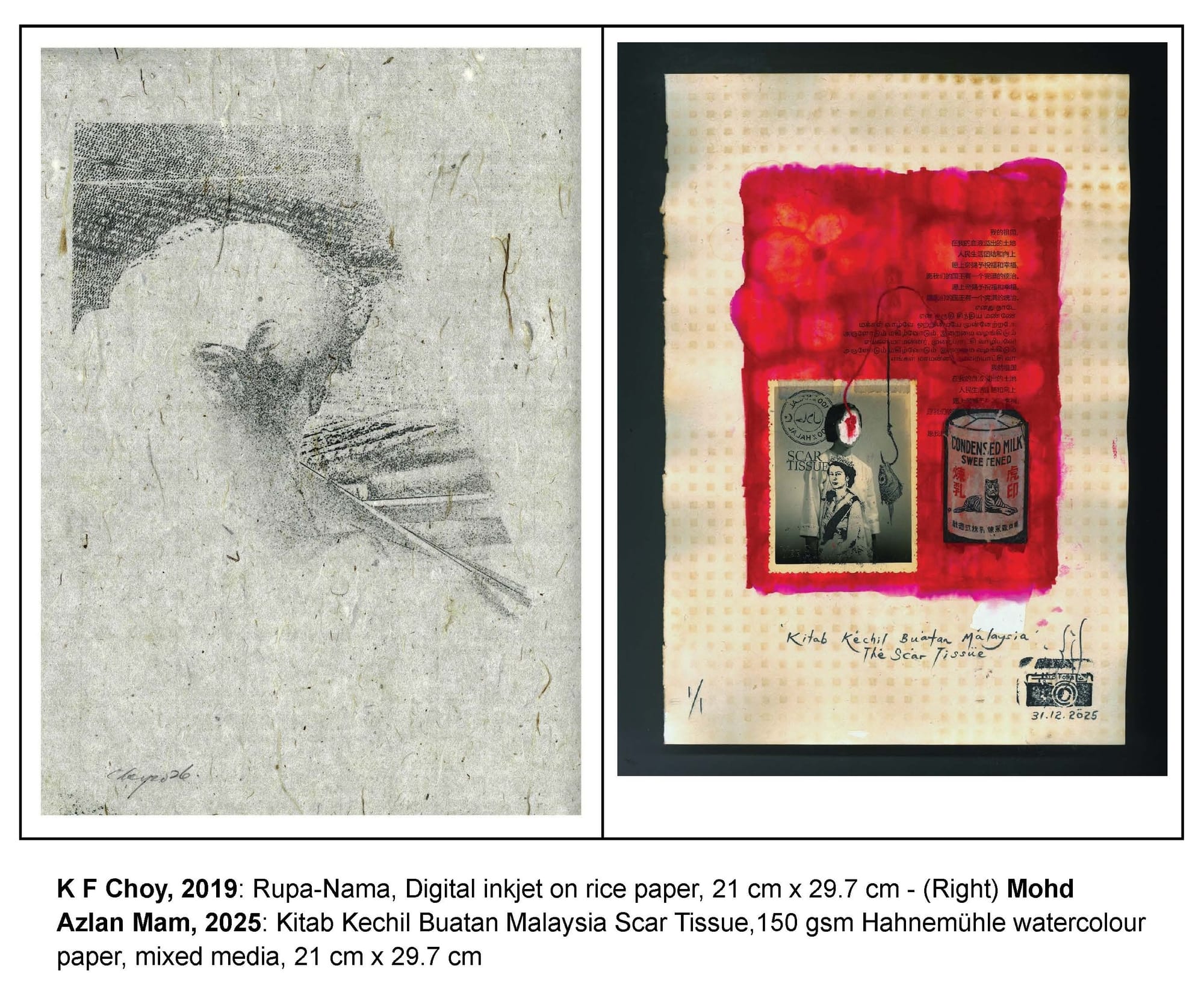
Click here to download the catalogue.