Green Prospects Asia: Recollections and reflections
GREEN PROSPECTS ASIA was launched in 2011 with a simple belief: that sustainability, environmental responsibility and resource efficiency would become increasingly important to the future of Asia. We sought to create a publication that could bring together ideas, policies, technologies and practical experiences, making these issues accessible to a wider audience while maintaining the standards of professional journalism.
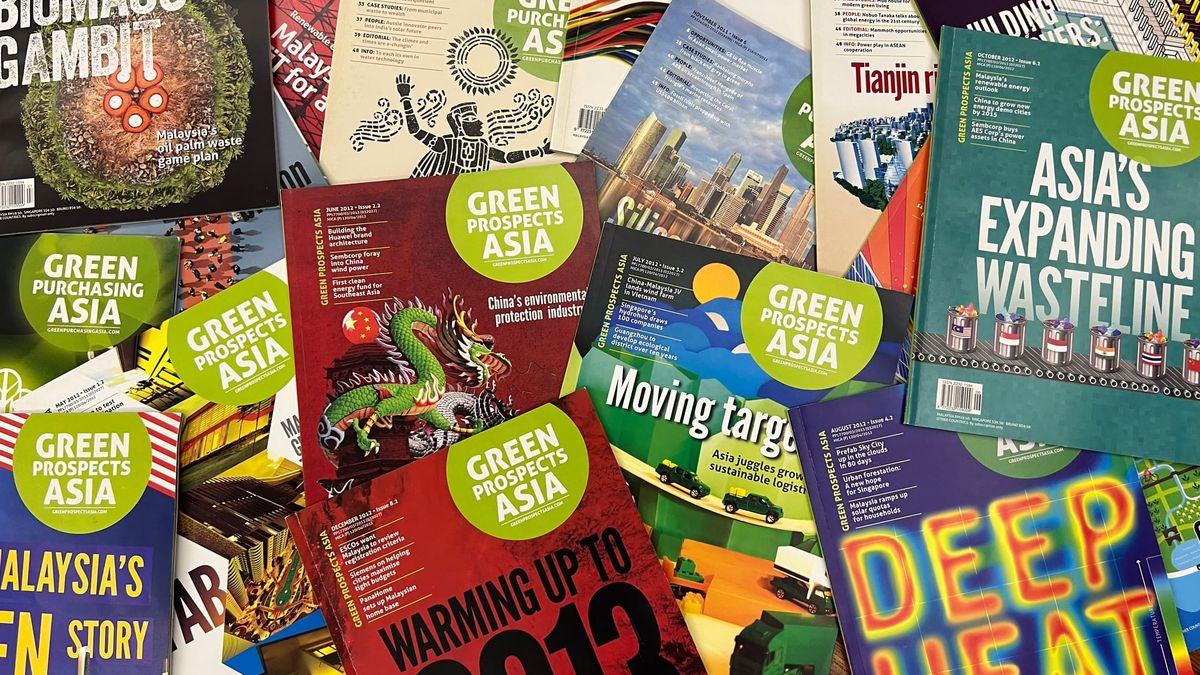
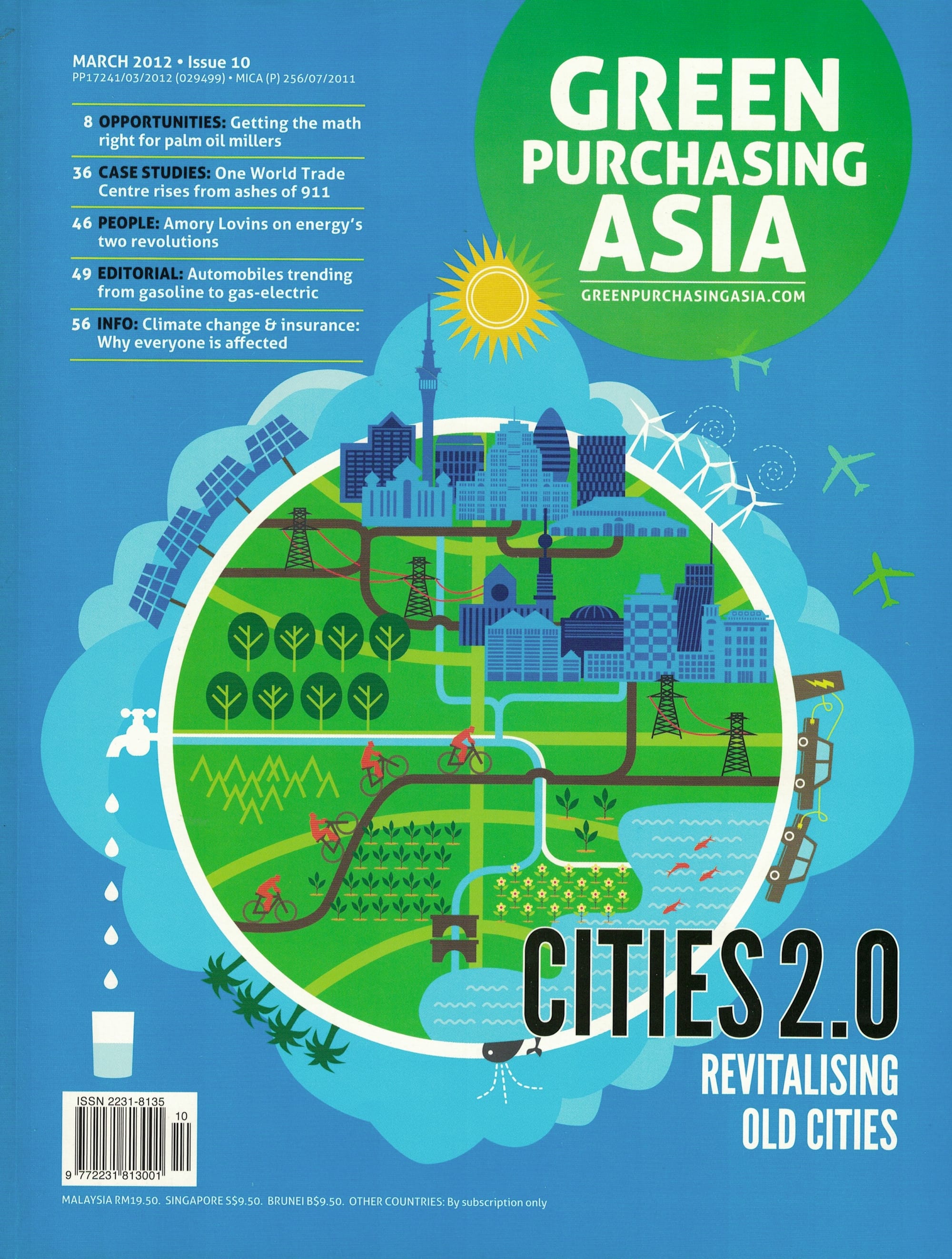
Looking back, I am pleased that many of the subjects we covered — see our covers below — have since moved closer to the mainstream. In some respects, we may have been early in recognising the scale of the changes to come.
No publication is the work of one individual. Green Prospects Asia was shaped by editors, writers, designers, marketing personnel, production staff, contributors, advertisers and readers who believed in the project and helped sustain it.
Rather than recount my own memories, I thought it would be more meaningful to invite team members to share theirs. The stories that follow, starting with Managing Editor David Lee’s, contain personal recollections from colleagues who helped bring the magazine to life. Their stories capture not only what we achieved, but also the spirit, challenges, friendships and moments that made the journey memorable. [More stories are in pipeline]
To all who were part of Green Prospects Asia, thank you. This collection is dedicated to your efforts and your memories.
The magazine that defined us
By David Lee, Managing Editor
WE FIRST MET at The Malay Mail in the late 1970s. It was at this iconic afternoon tabloid that Lim Siang Jin honed his skills as a sub-editor and embraced the art of publishing, and where I spent 25 years, first writing, then editing, and creating content.
Siang Jin evolved over the years, becoming a founding director of The Edge in 1994 and was instrumental in turning theSun into a freesheet. It was at theSun that we worked together again.
When he left The Edge, it didn’t take Siang Jin long to come up with another project, a monthly magazine titled Green Purchasing Asia. He asked me to head the editorial team in early 2011, and I agreed, even though I knew almost nothing about sustainability and the “green” business.
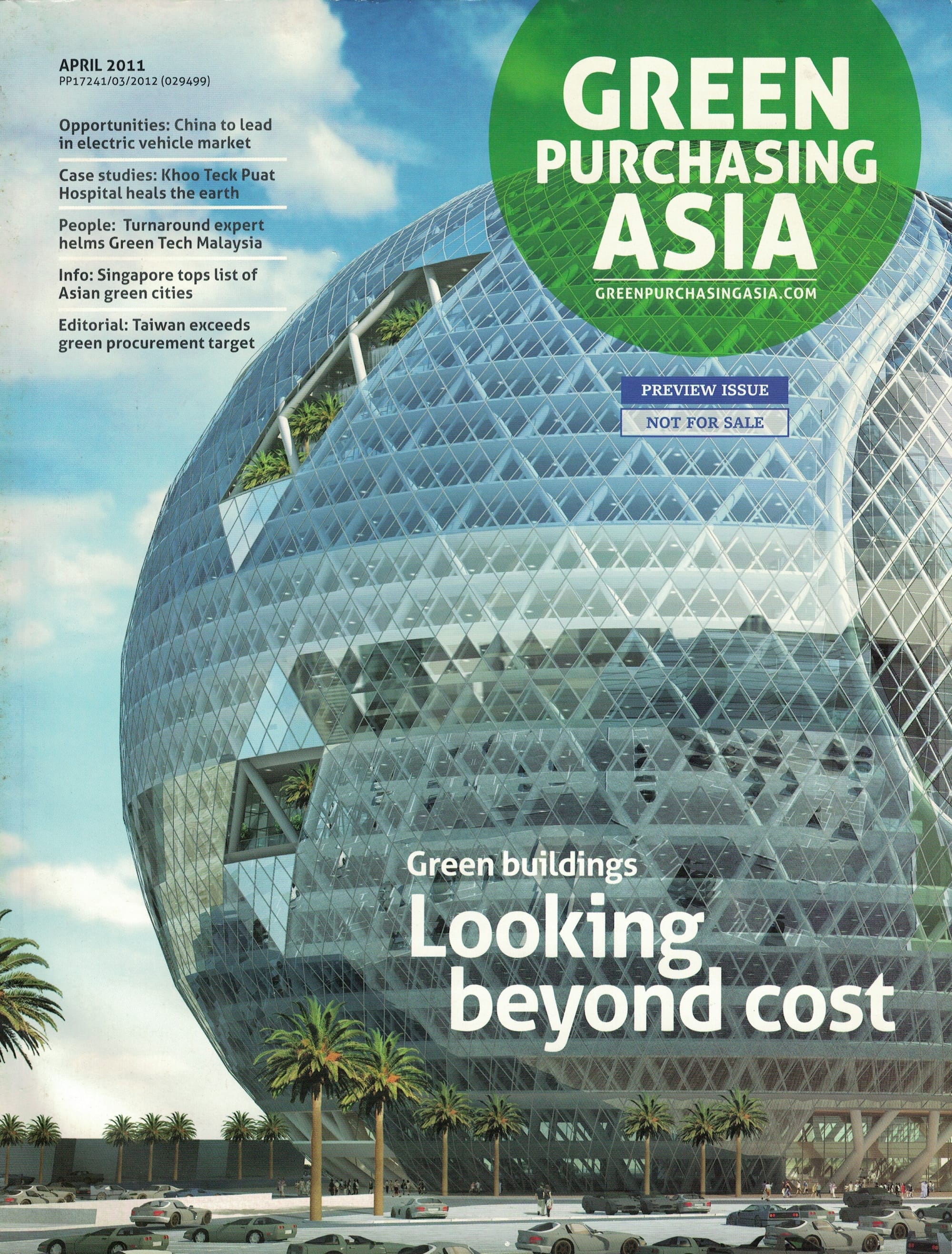
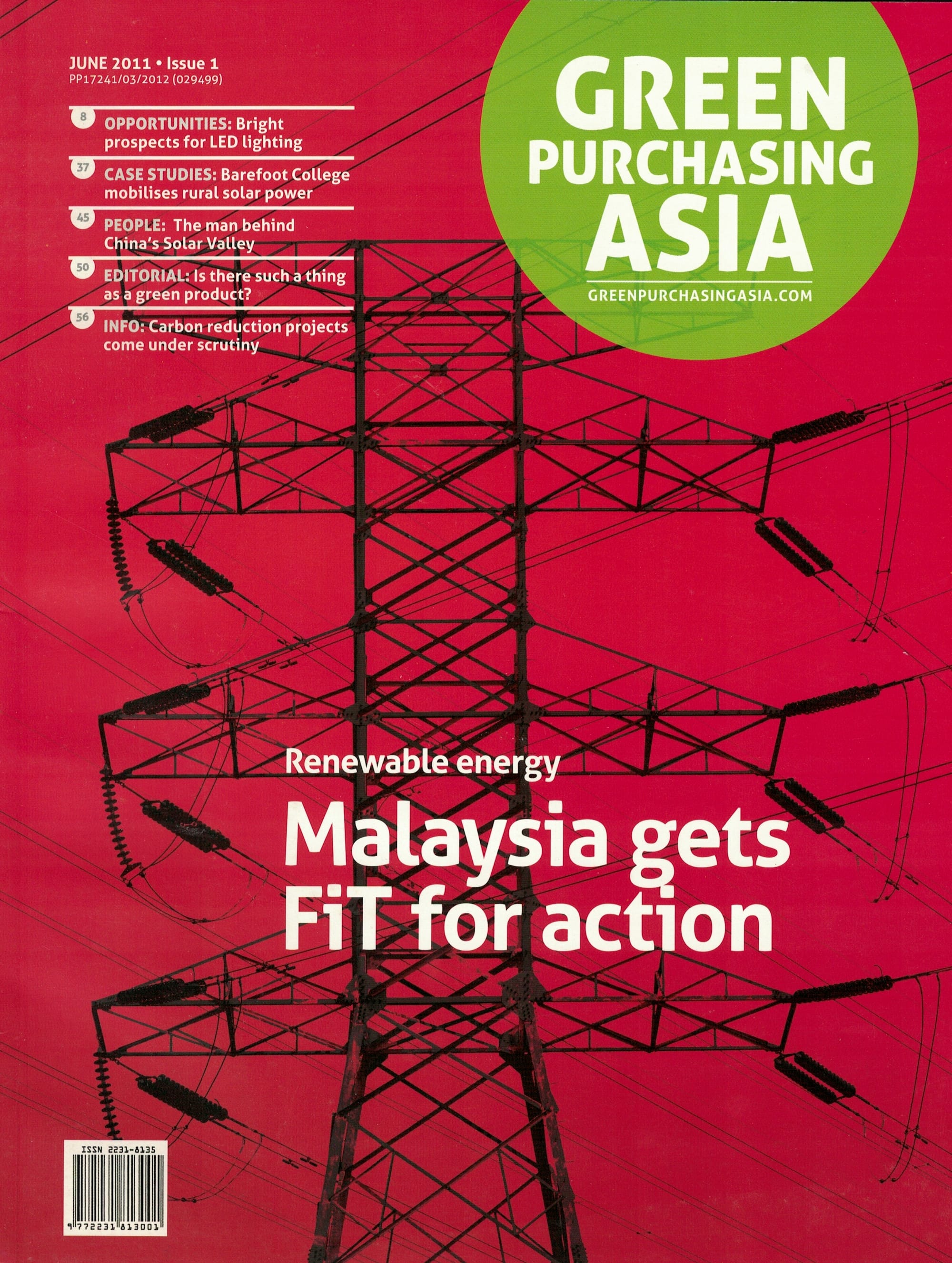
We put together a small crew, and hit the ground running. In April 2011, we produced a 48-page preview issue of GPA to show the marketplace, and a 64-page blueprint for the inaugural issue in June. Interestingly, the June cover story focused on the renewable energy scene in Malaysia, and it was the first time in our journalistic lives that my wife Ann and I collaborated. Admittedly, she did most of the heavy lifting, while I contributed an interview with Malaysia’s Minister for Energy, Green Technology and Water Tan Sri Peter Chin Fah Kui.
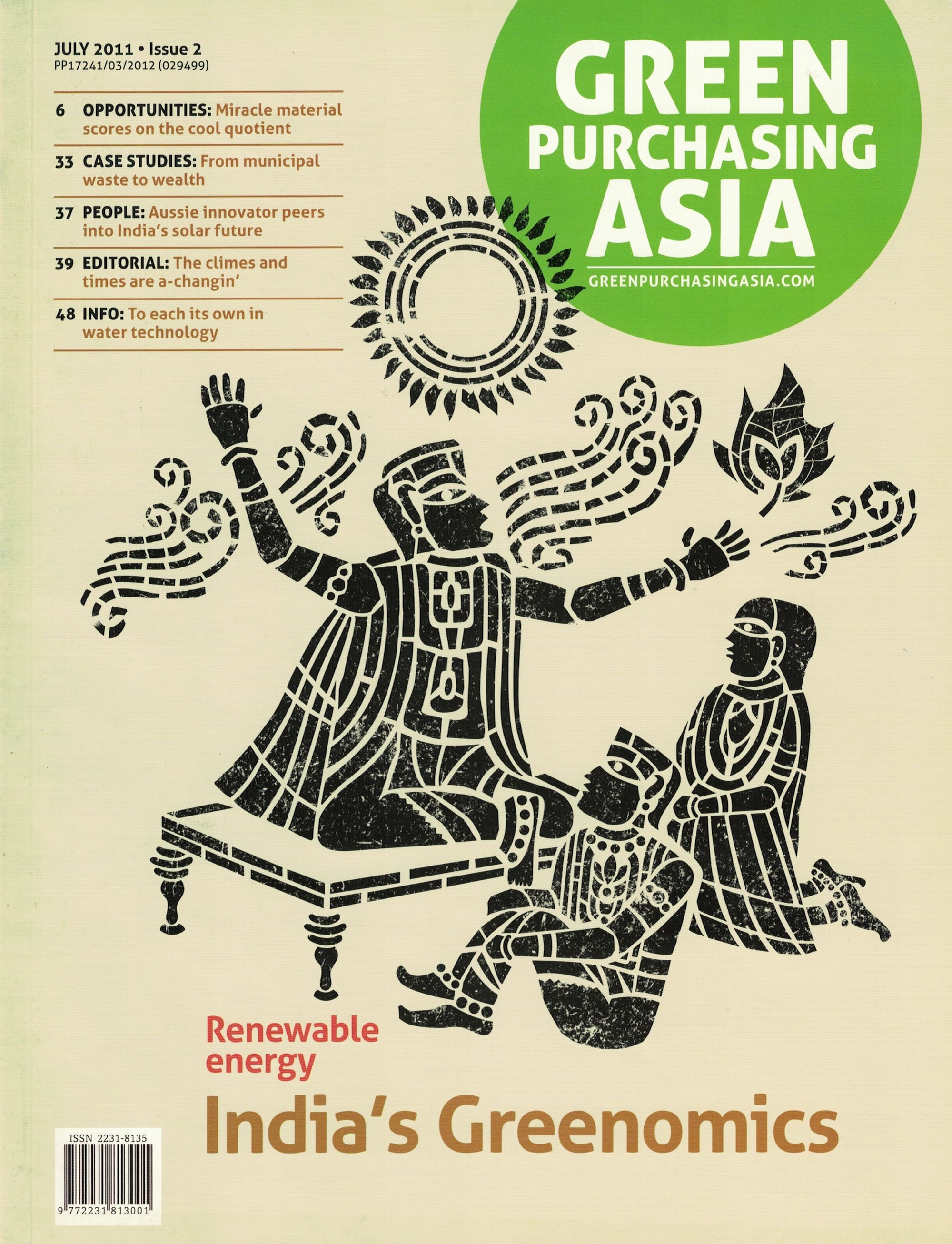
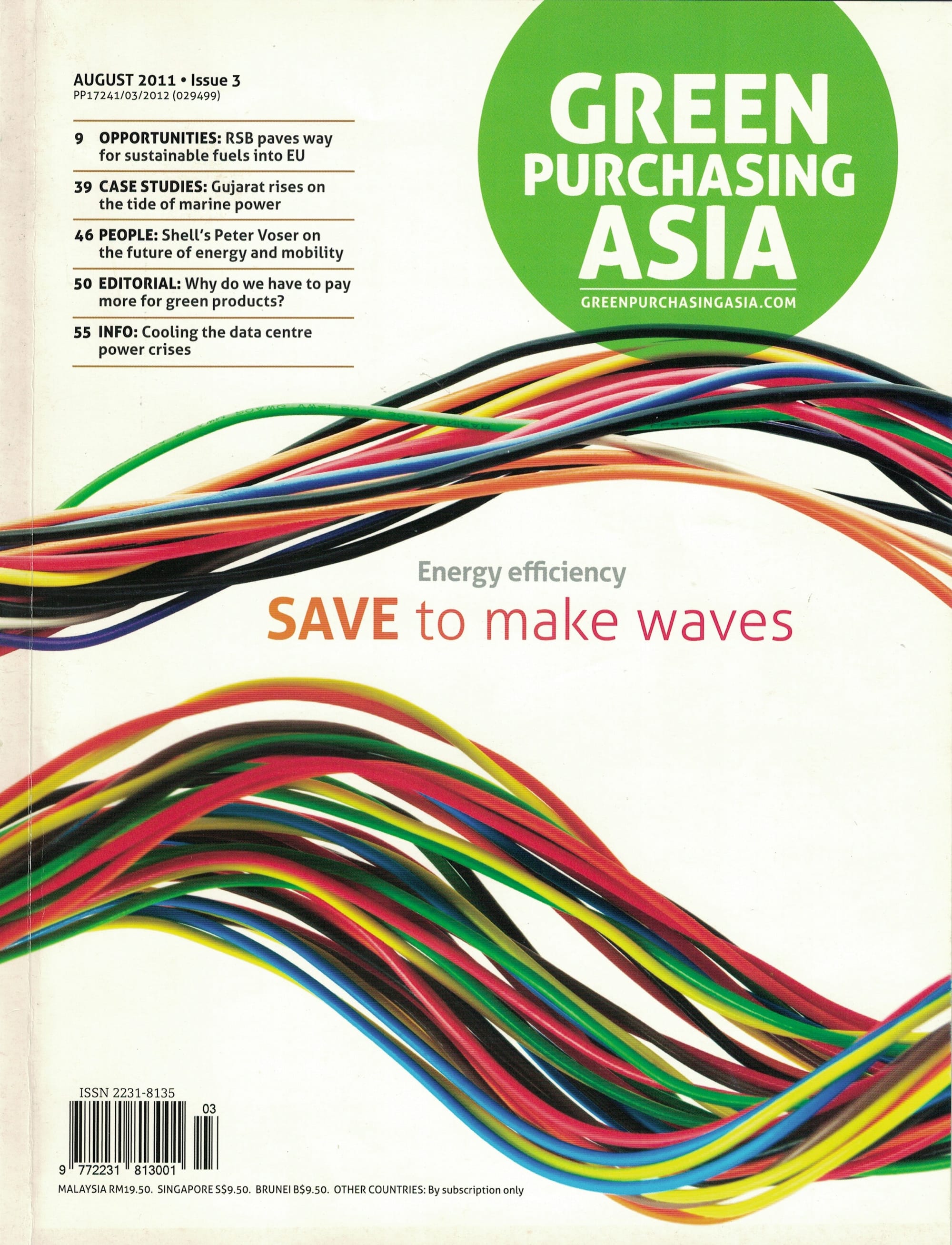
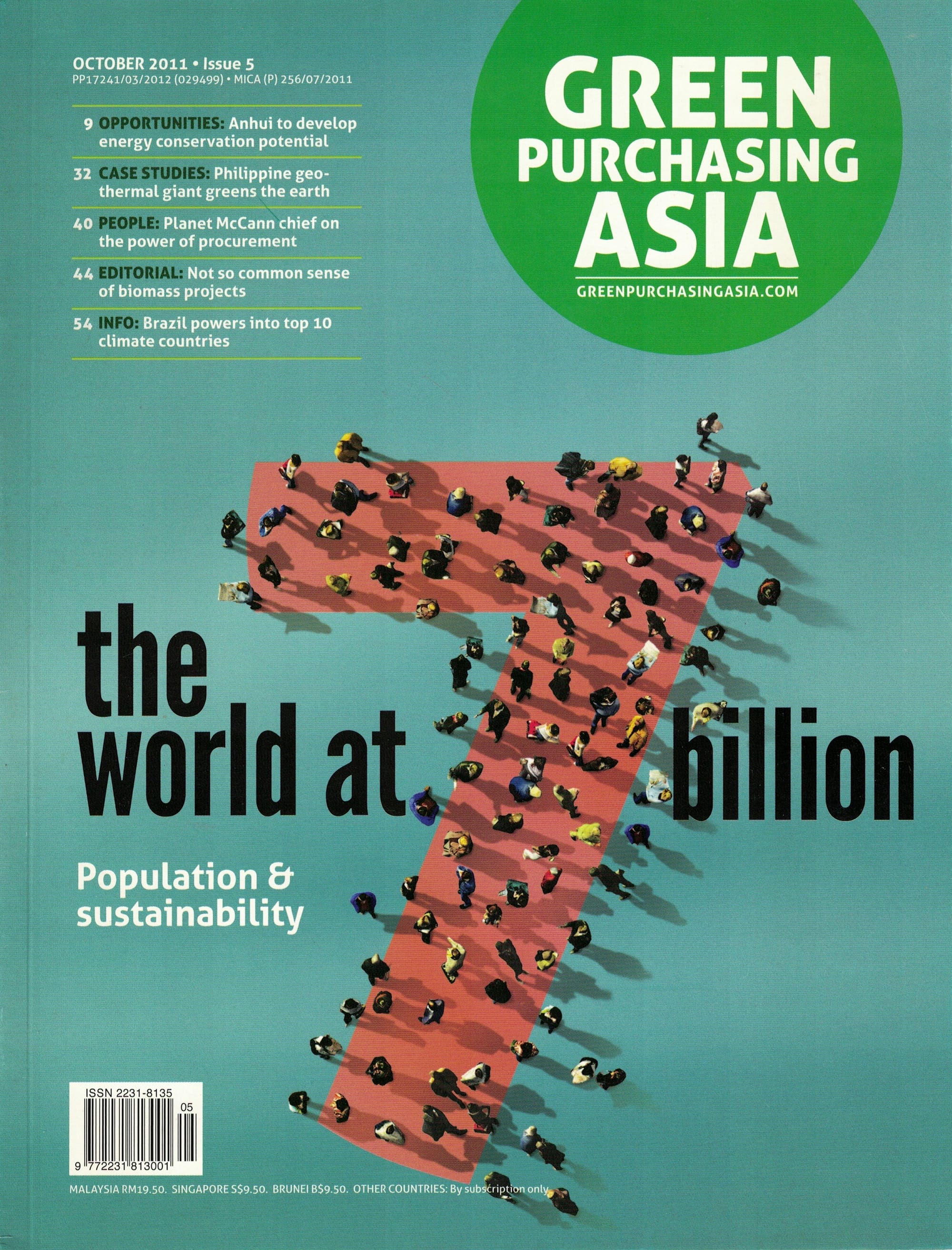
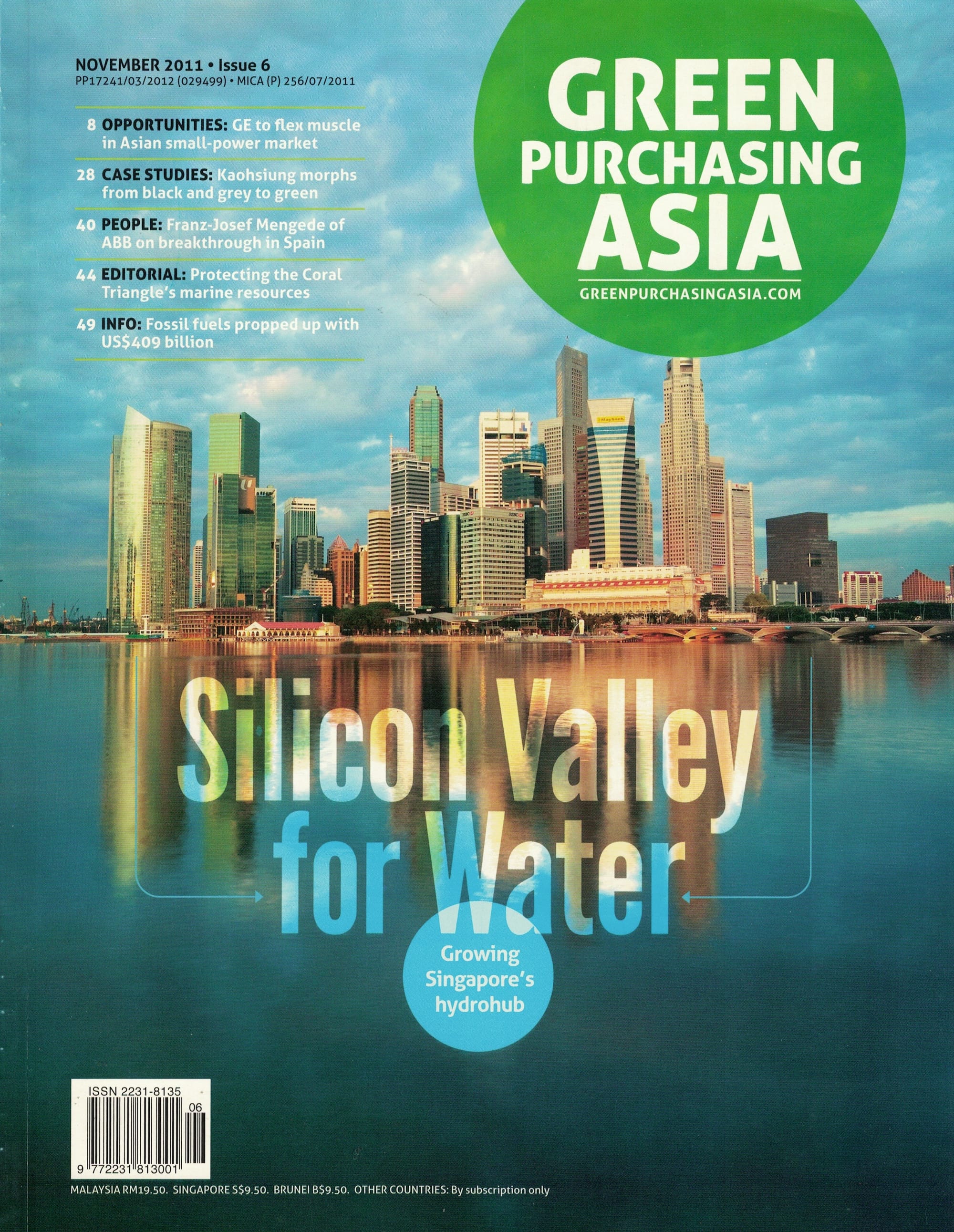
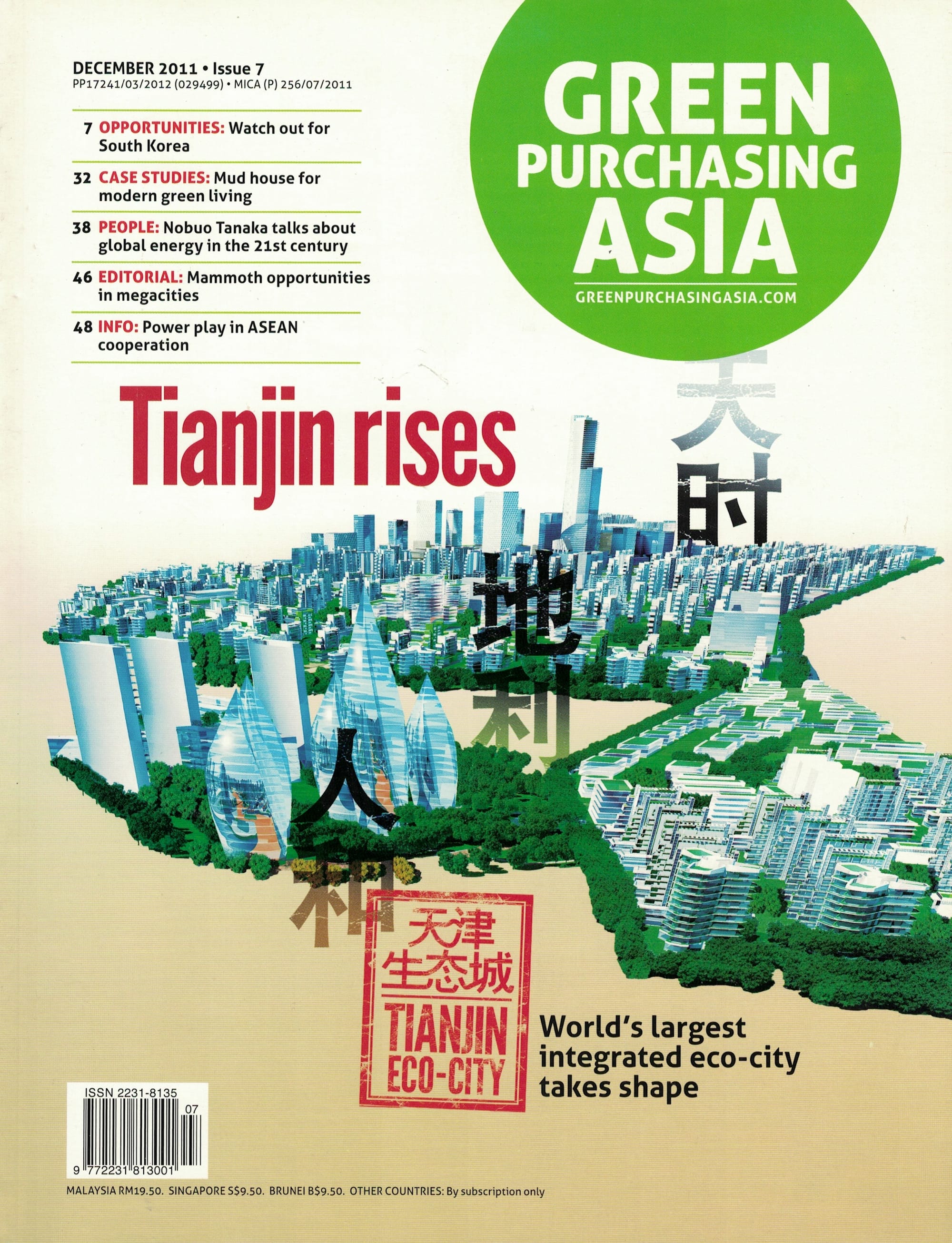
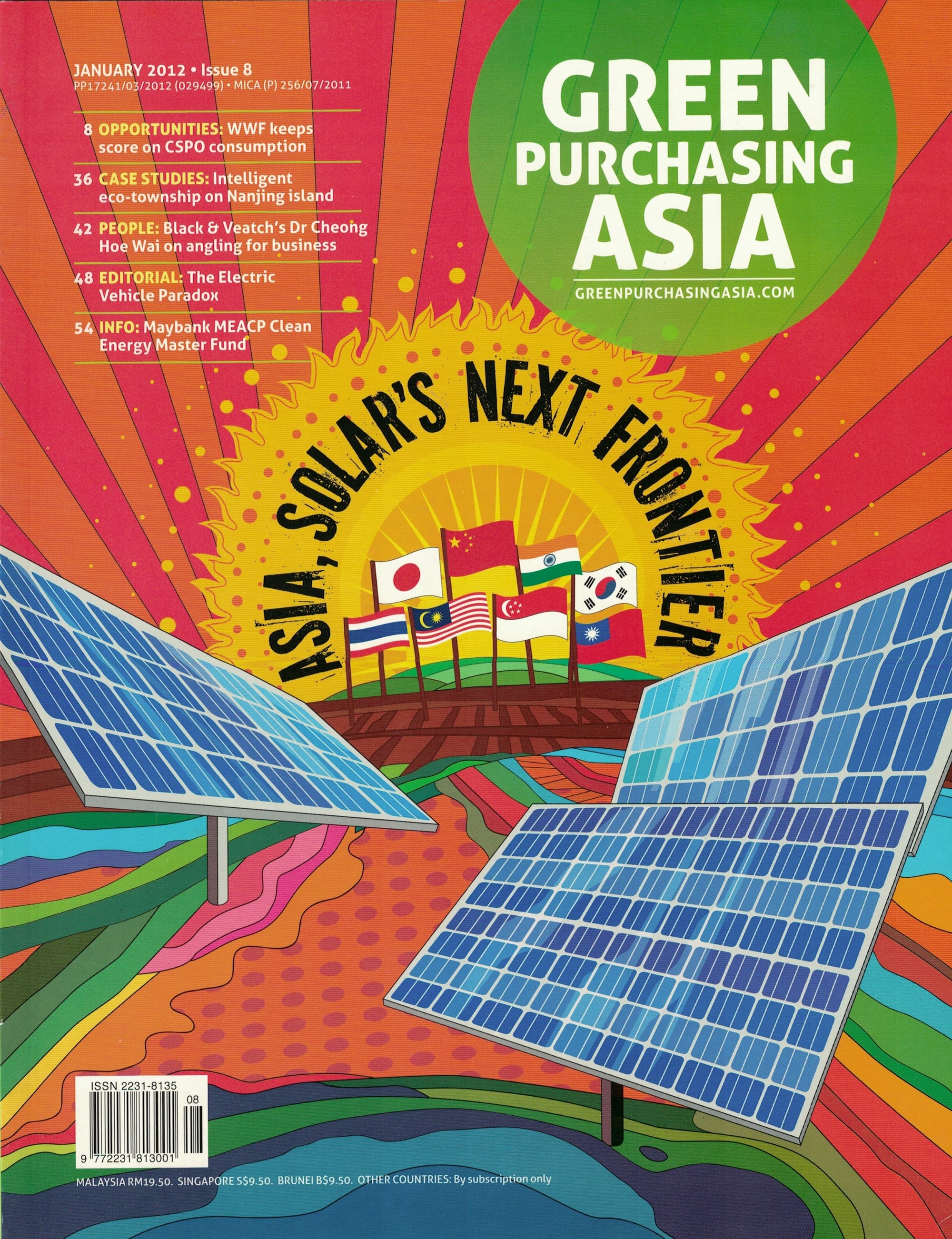
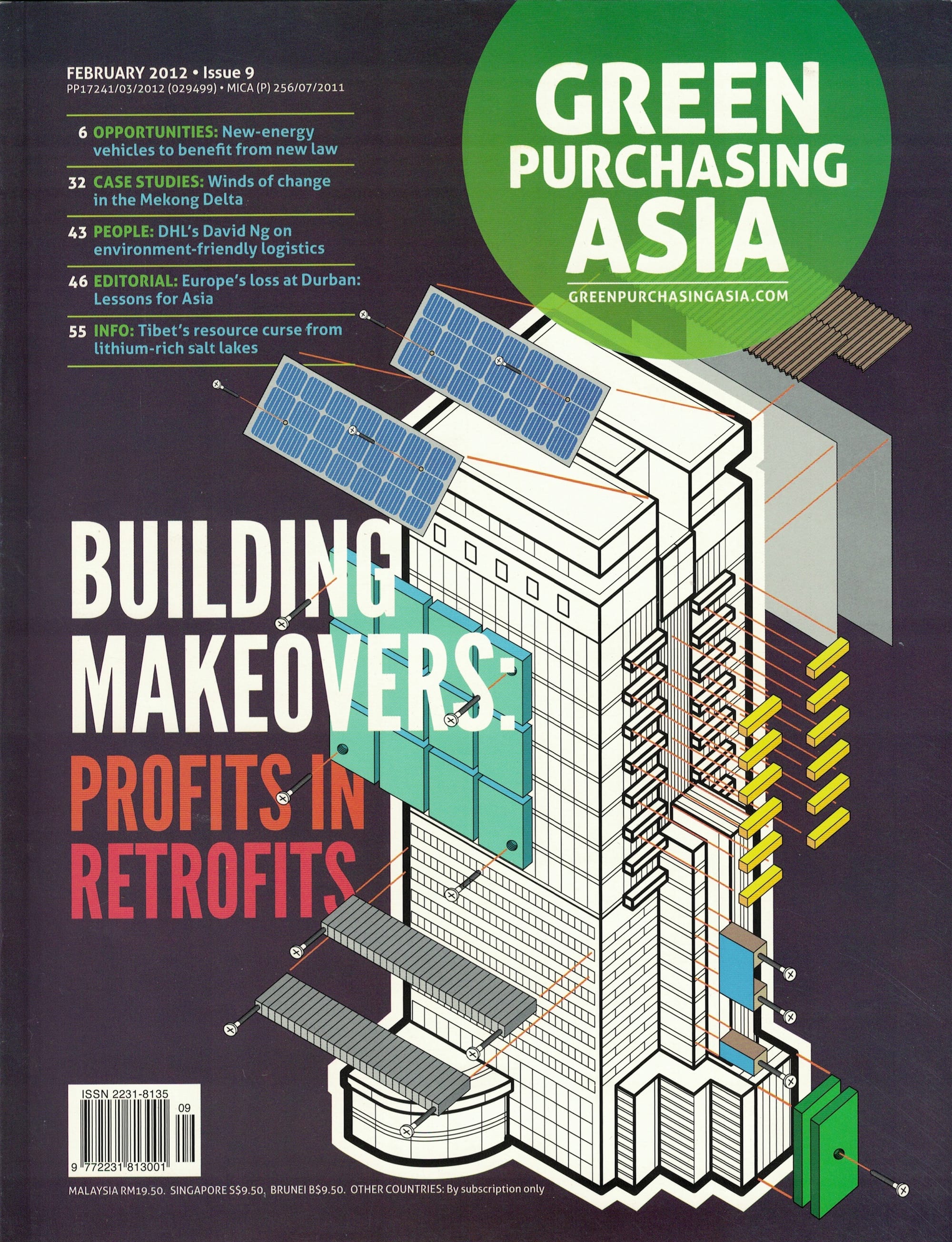
Being the artist that he is, Siang Jin had a uniquely visual way of sharing his vision for GPA, which I often emulated in editorial meetings. For instance, to guide editorial tone and layout, he drew a seismogram of a healthy heartbeat (as opposed to flatliners, but you get the drift). And often, we referred to the seismogram to check whether our content, layout, and cover art were exciting enough.
Running the magazine was a load of fun. We often broke the daily monotony by breaking into song. Assistant editor Siaw Mei Li played the ukulele and I the guitar, and we attempted all the old tunes. And after an issue was put to bed, we sometimes had a potluck party, followed by more singing, with our production
guy Eddie playing bass.
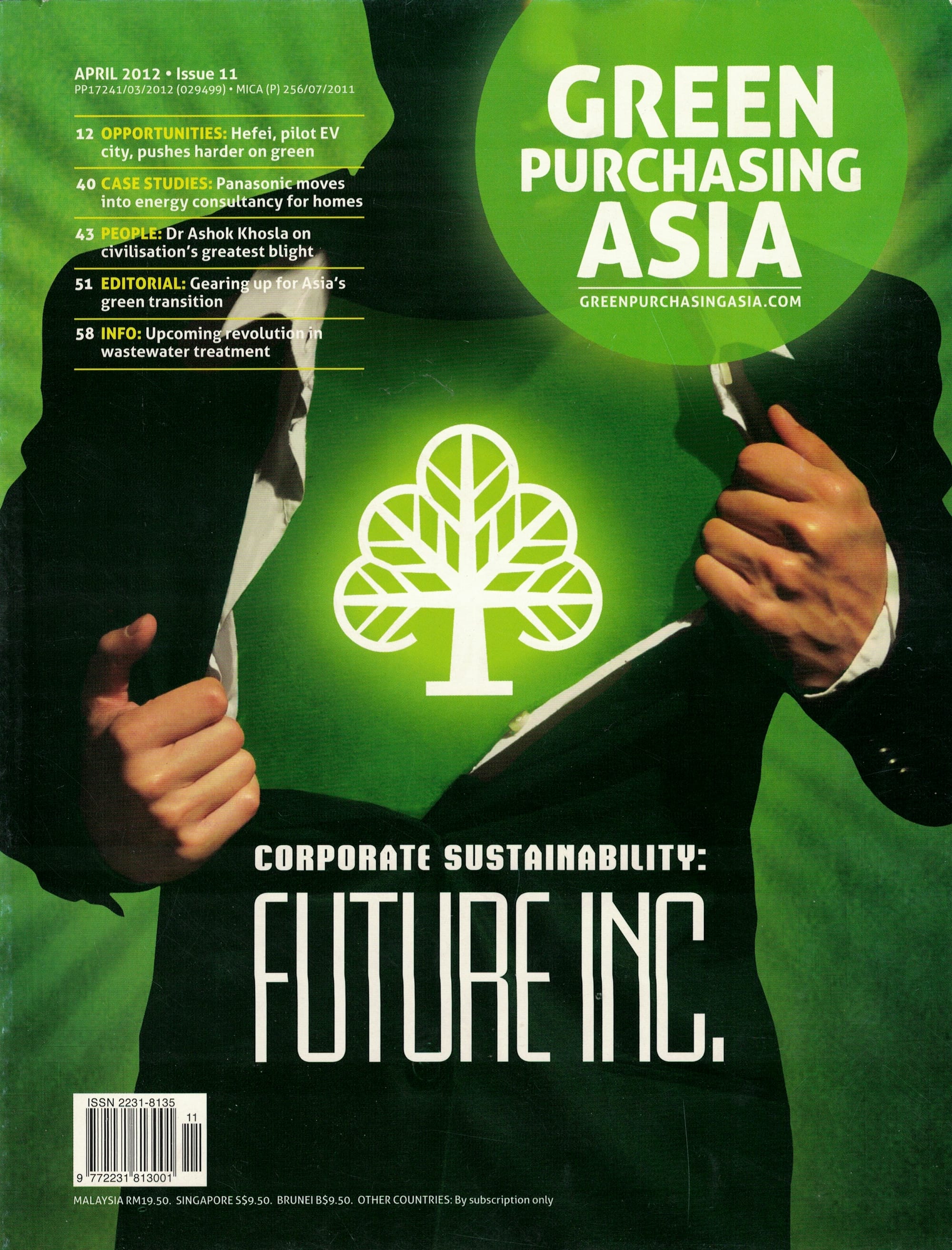
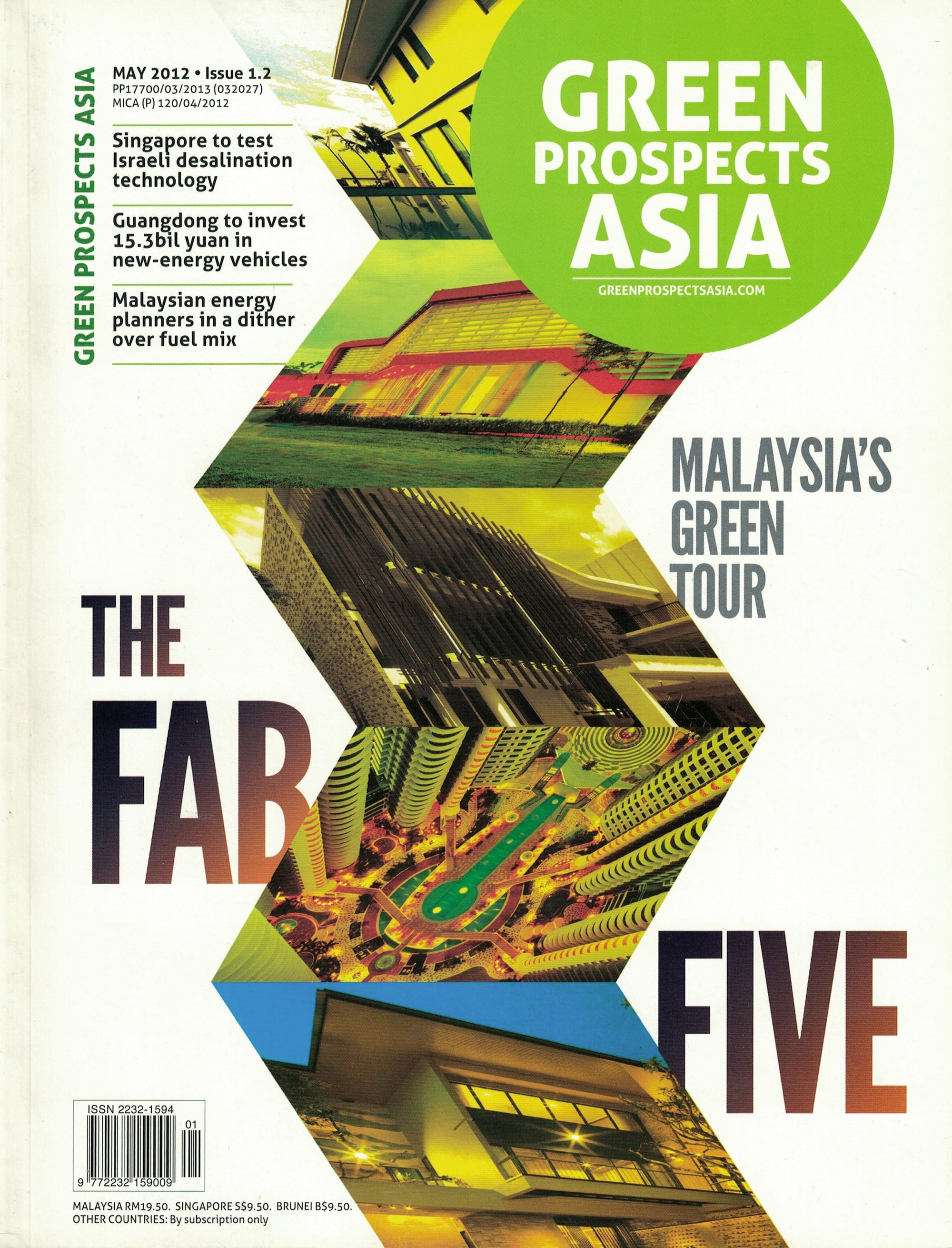
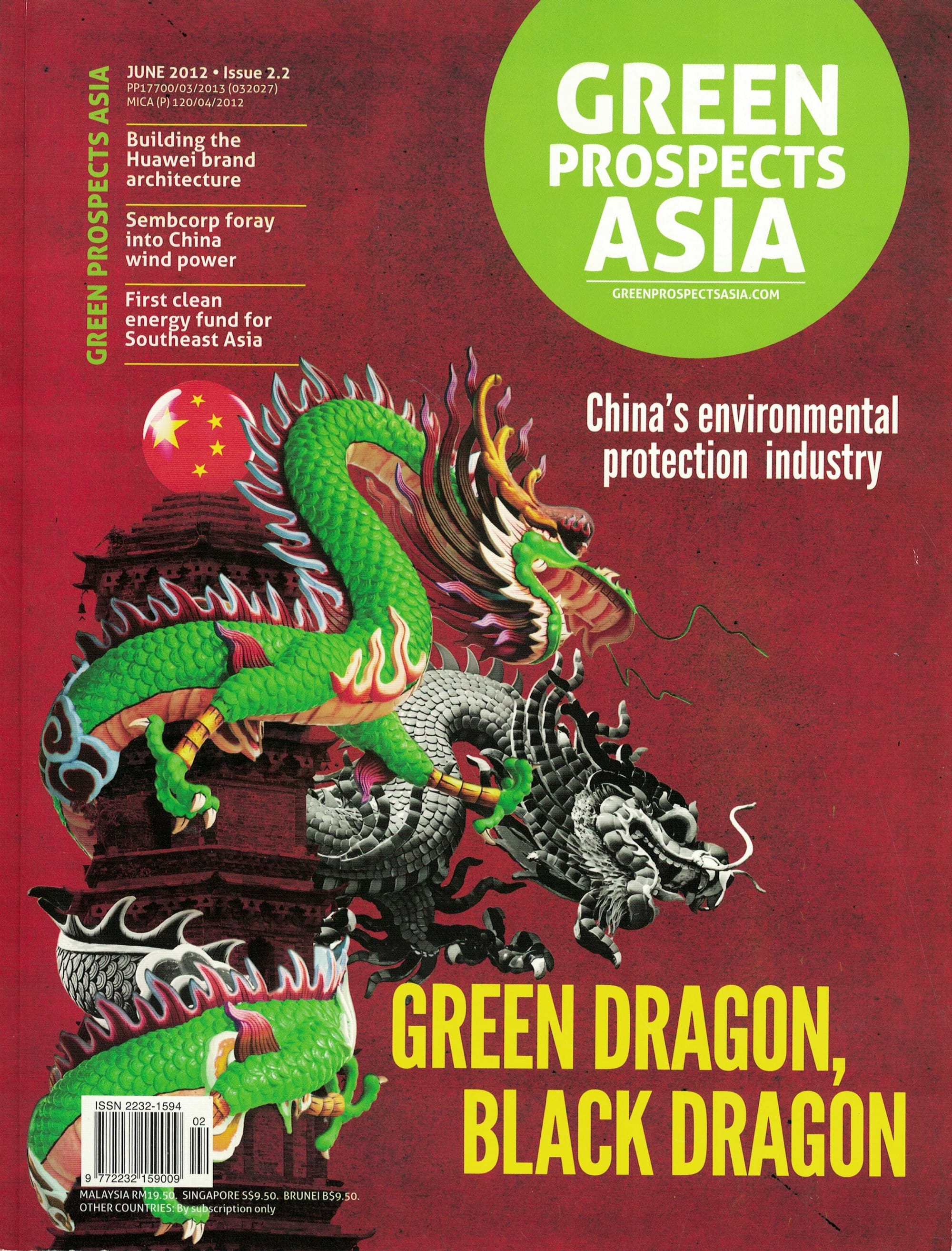
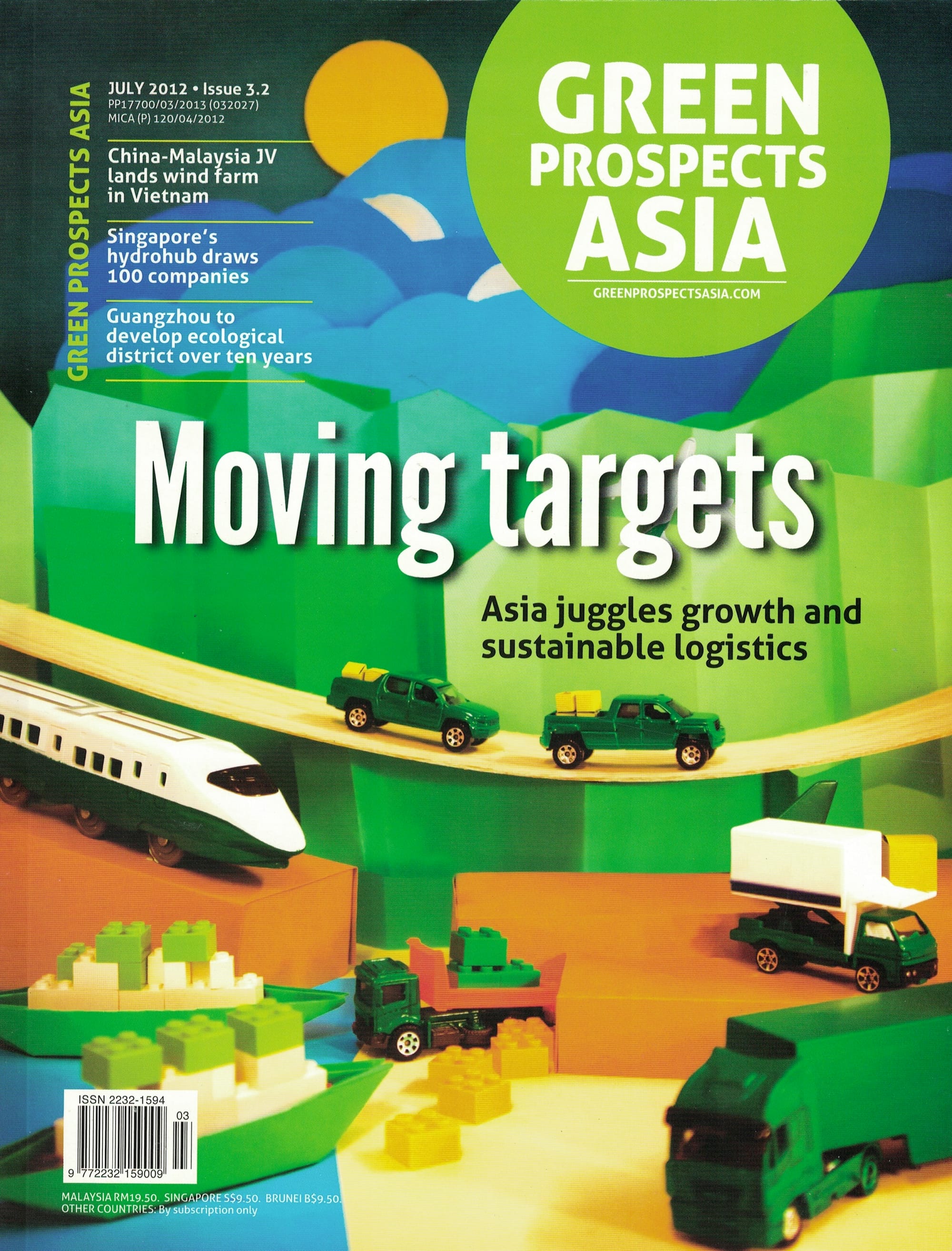
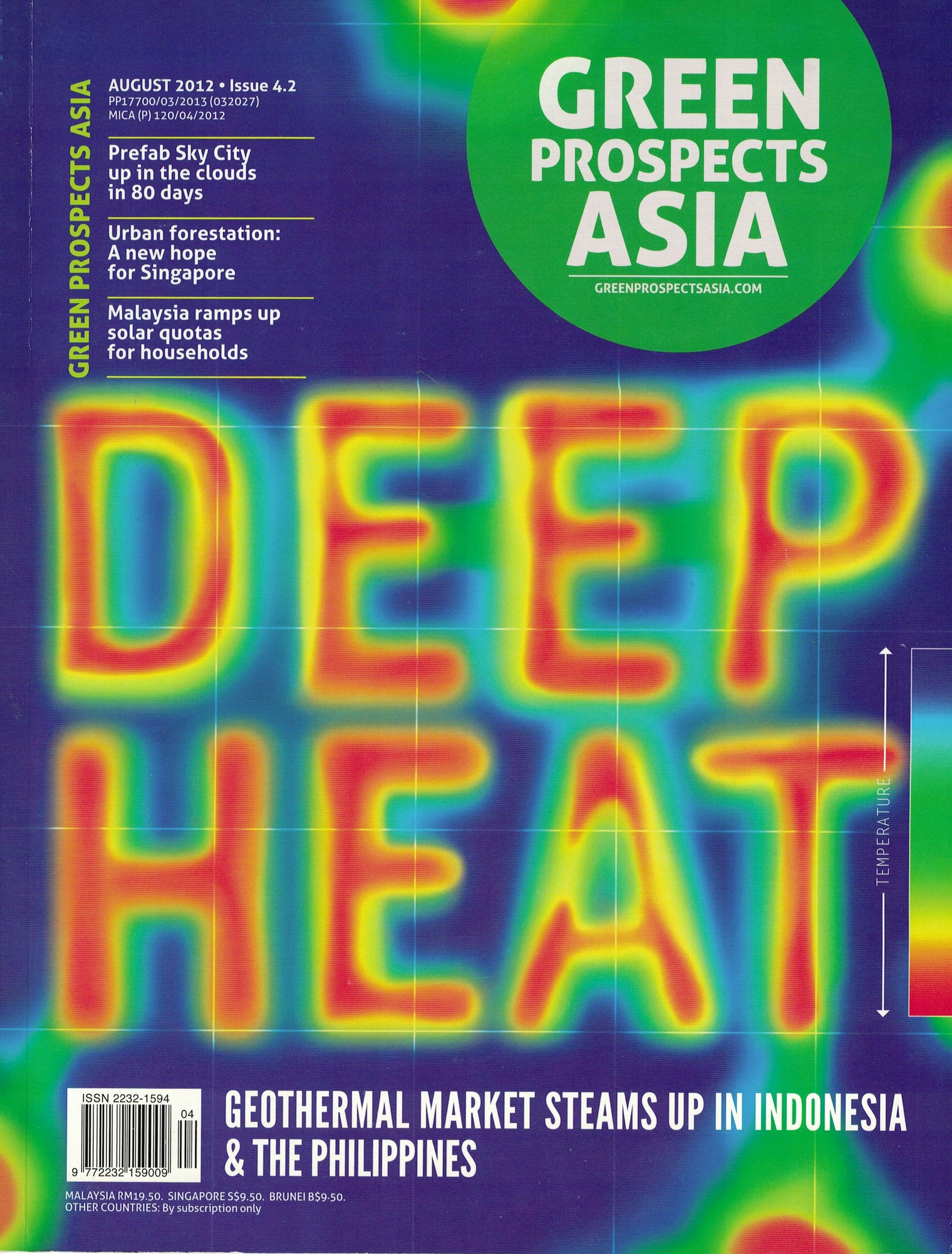
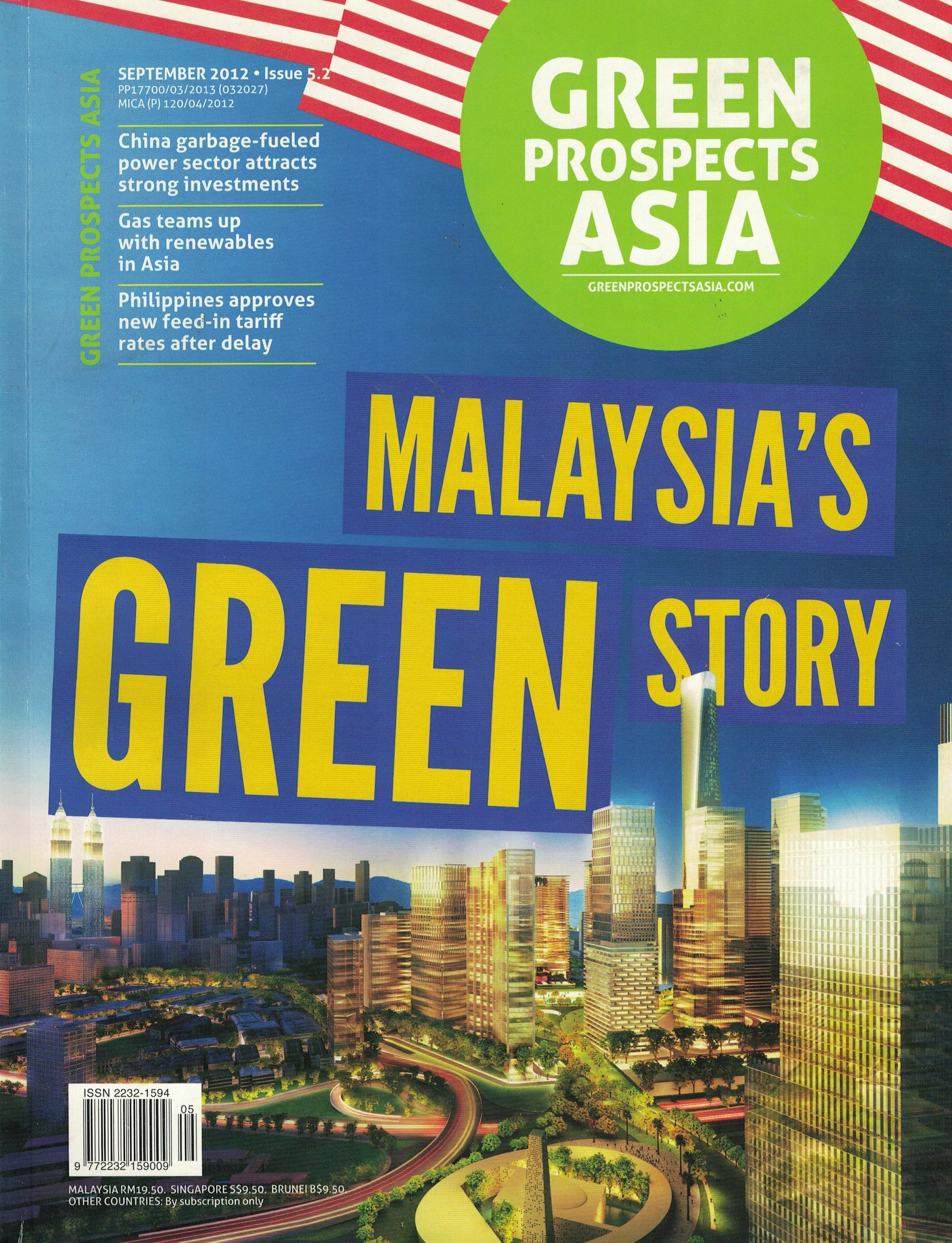
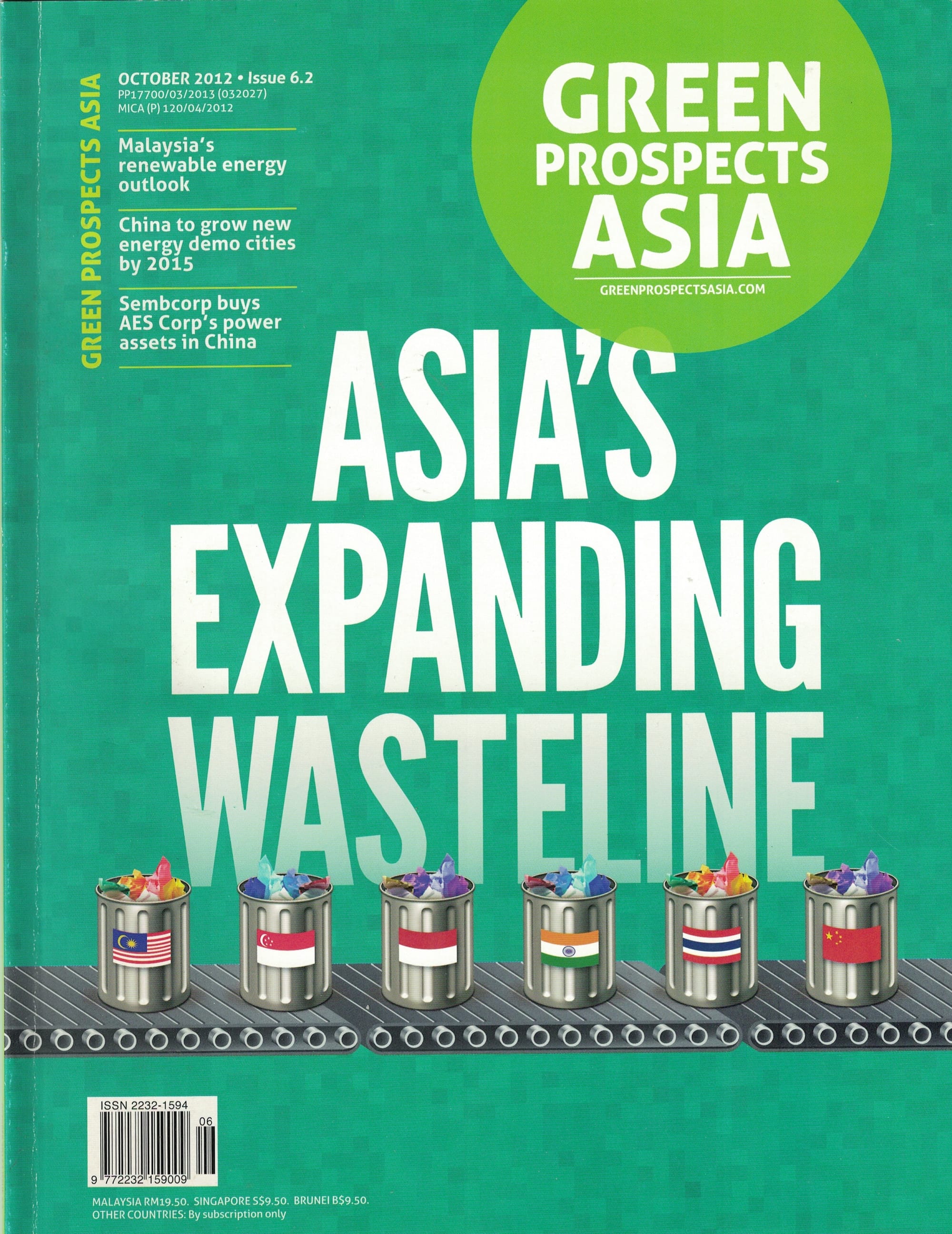
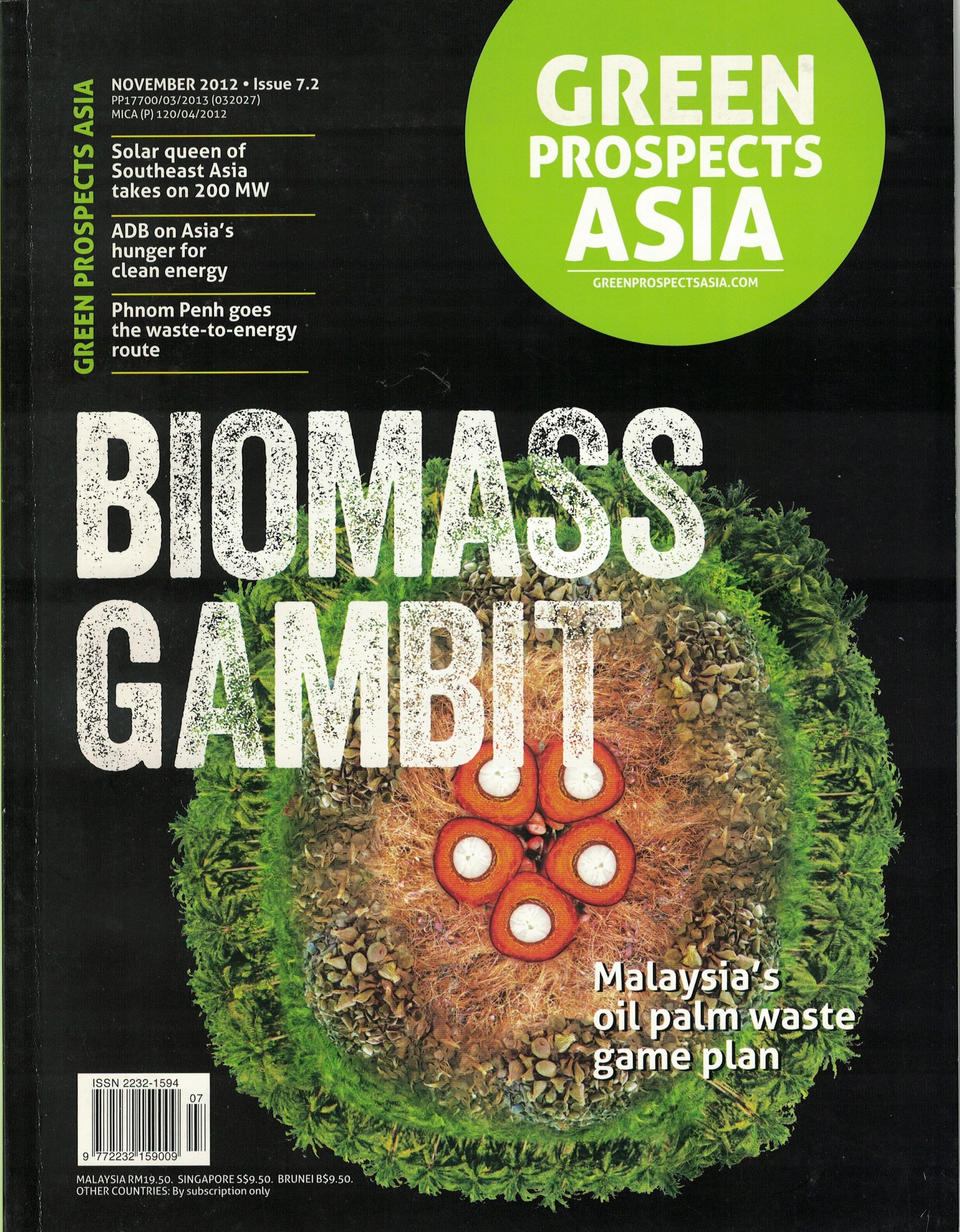
Mei Li’s sub-editing was meticulous to a fault. I remember an incident in which she discovered that our columnist from India had lifted entire paragraphs without attribution. That guy insisted he wrote the column himself, but when confronted with proof, he sheepishly admitted he took liberties. I was pretty disappointed in
him, especially as he had a doctorate to his name.
After about a year, the magazine’s name was changed to Green Prospects Asia, and the content tweaked to include “Living Cases”. This basically meant that what we wrote in print could be updated in our online versions. It was Siang Jin’s idea, as he felt that our online copies could do what our print version could not. It was also a way to draw our readers to our website.
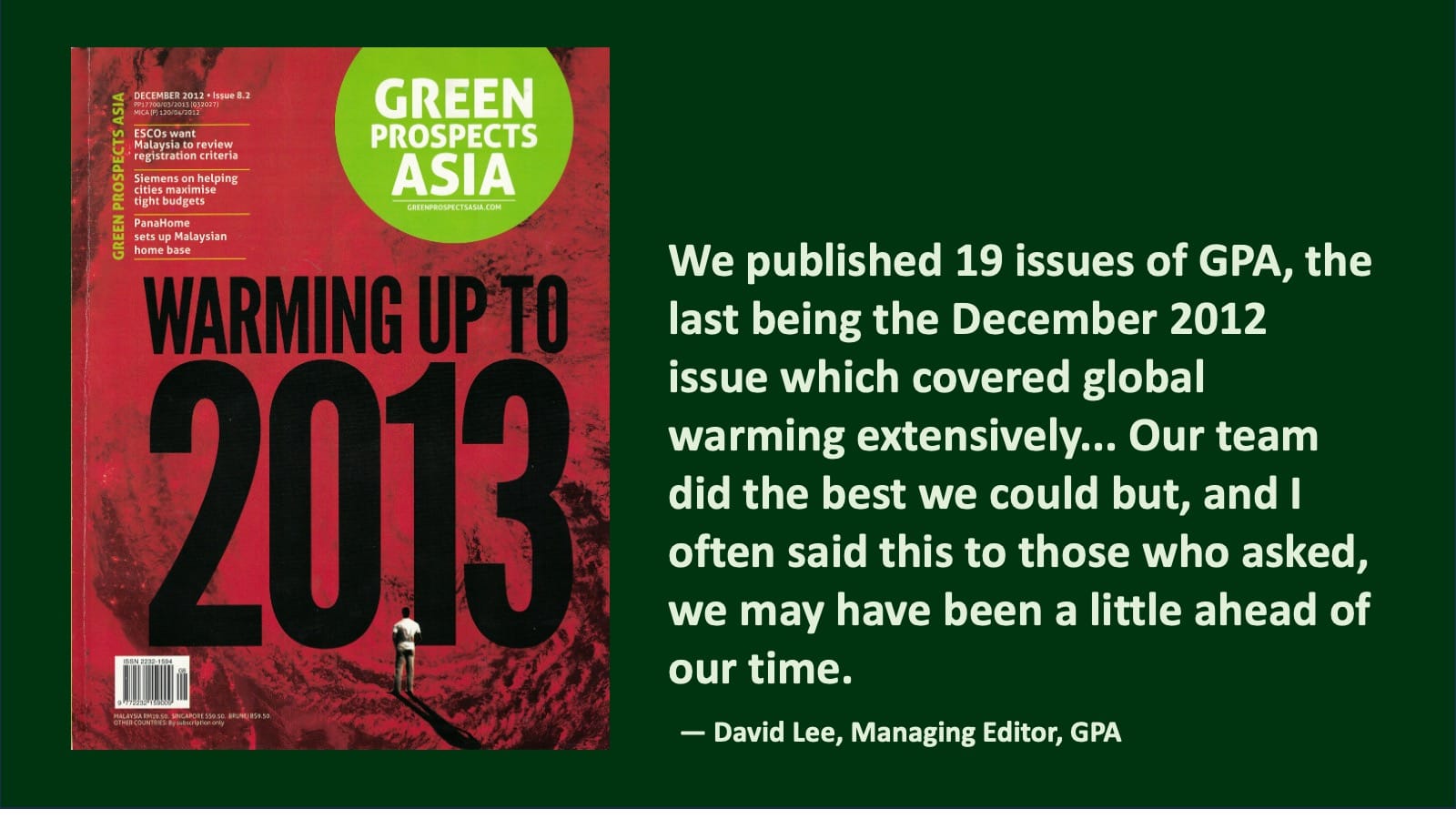
We published 19 issues of GPA, the last of which was the December 2012 issue, which covered global warming extensively. Throughout the 18-month run, we covered all forms of renewable energy, green buildings, sustainable vehicles, smart grids, water and waste management, energy efficiency and green finance. Our team did the best we could but, and I often said this to those who asked, we may have been a little ahead of our time.