Trilogy of storytelling
A COUPLE of years ago, I shared my thoughts on storytelling with a few ArtVoice members, based on the ideas of John Berger, Walter Benjamin and, more recently, Teju Cole. Revisiting Berger and Benjamin after many years, and discovering Cole’s Blind Spot, prompted me to rethink how art and stories are related. Much of this renewed interest stemmed from my WhatsApp exchanges with an old friend, Prof Lim Tow Keang, who reads very widely and works at the NU Hospital in Singapore – see the addendum below for TK’s immediate response.
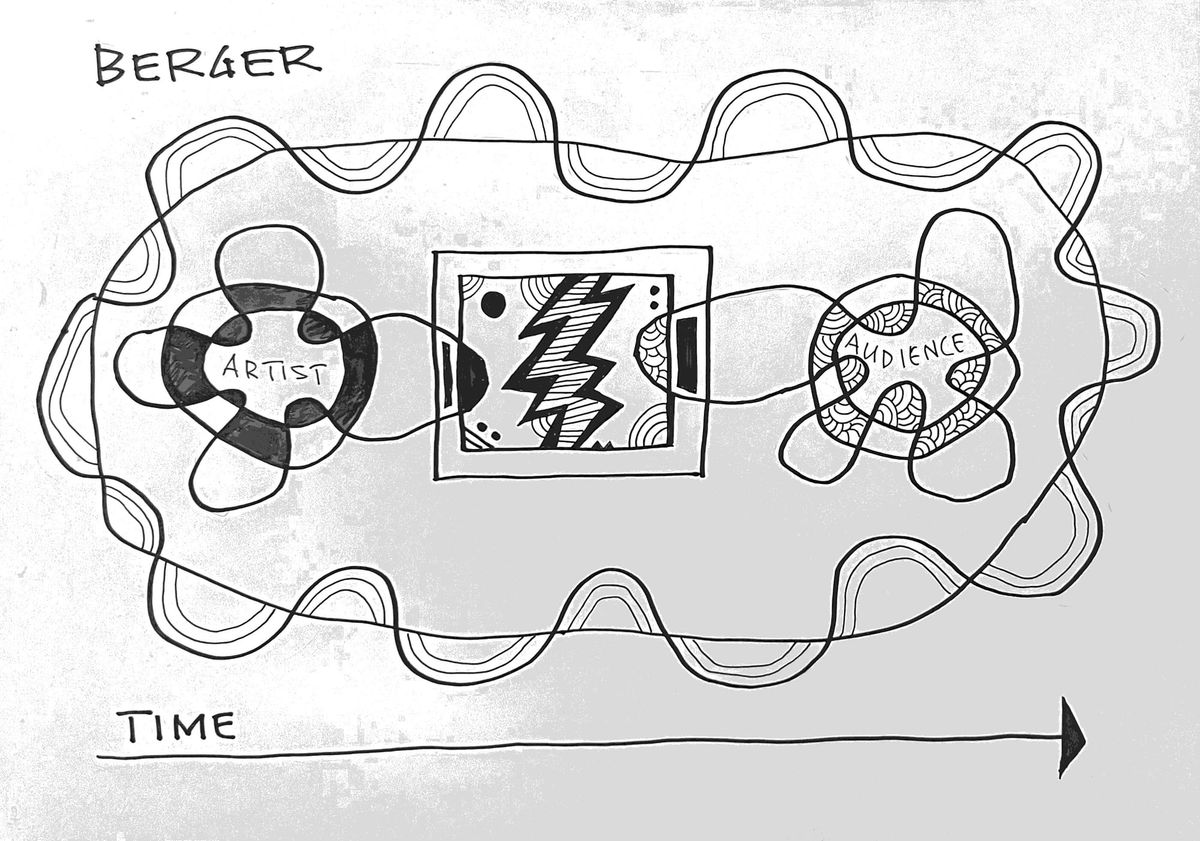
To communicate my ideas more readily, I made conceptual drawings of the three intellectuals’ ideas. I decided that, for this story, I would not explain these drawings myself but present them to AI (ChatGPT, in my case) for analysis. After a bit of tweaking, it provided satisfactory answers of about 100 words each, the length I requested, as you can read below.
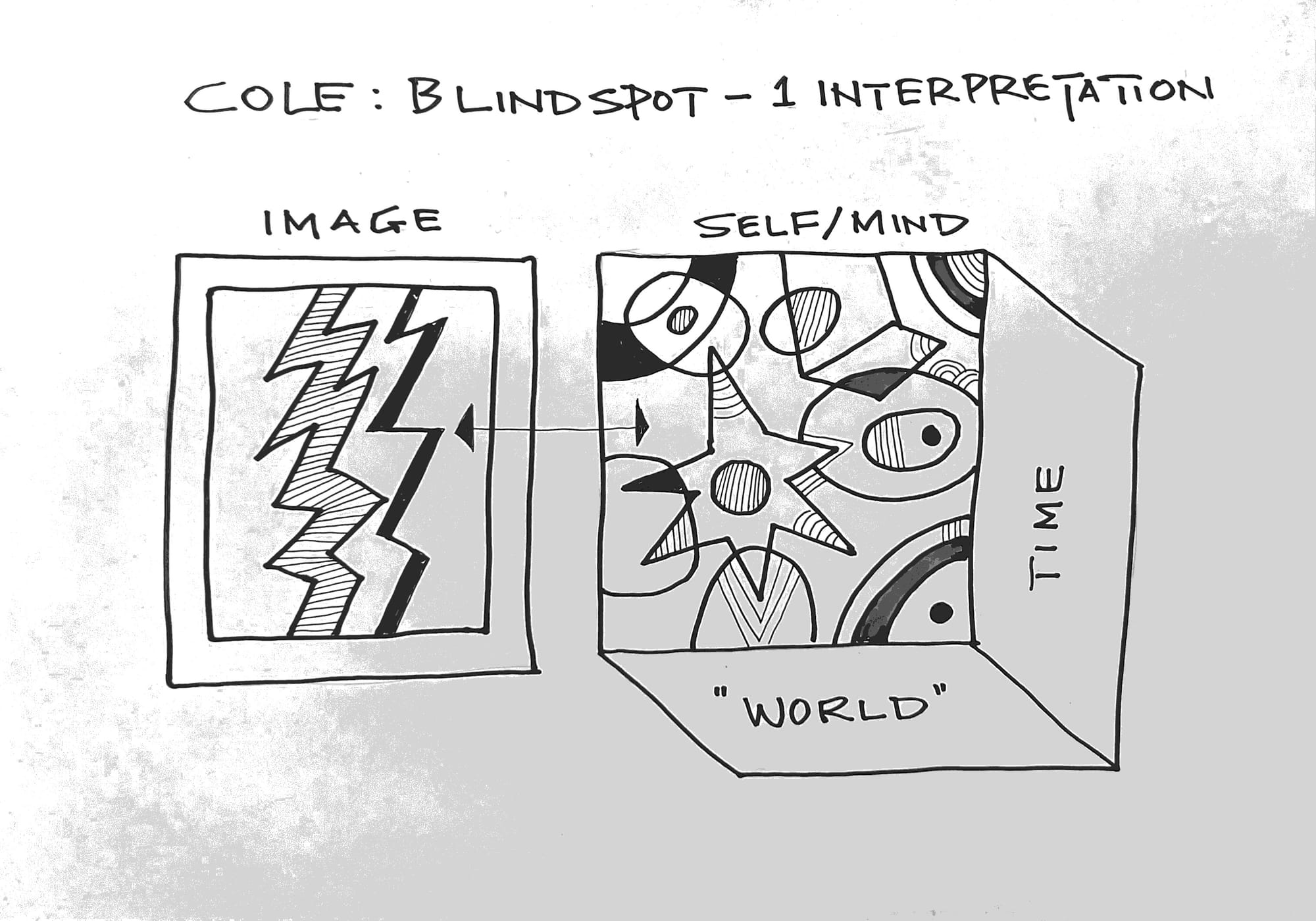
TEJU COLE: A photograph is more than a record of what the camera sees. It emerges through an ongoing interaction between the outside world and the photographer’s mind, shaped by memory, emotions, imagination and experience. Yet its meaning does not end when the photograph is taken. As life unfolds, the photographer may return to the image, discovering new personal, cultural and historical significance. Likewise, viewers bring their own experiences to its interpretation. A photograph, therefore, becomes a continuing conversation between image, self, world, and time. Seeing is not passive but an evolving process of interpretation, reflection and reinterpretation.
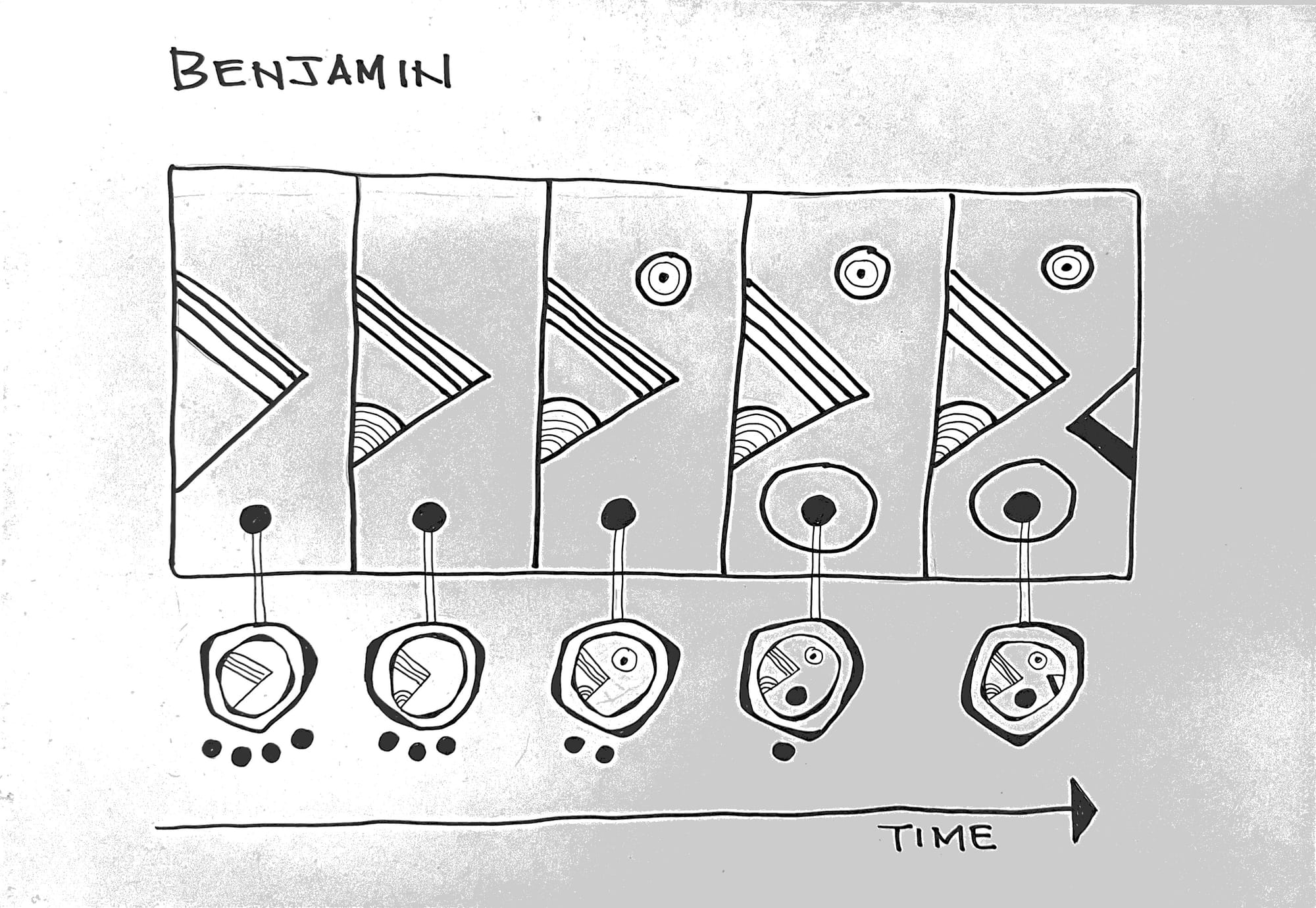
WALTER BENJAMIN: Stories evolve each time they are told. Every retelling preserves certain elements, transforms others and discards some altogether. As societies and technologies change, stories are condensed, expanded and reinterpreted. This process reflects Aufhebung: the past is simultaneously preserved, negated and transformed. A living story is therefore neither a fixed record nor a complete break with tradition. It carries traces of earlier meanings while adapting to new historical circumstances. Meaning is not accumulated mechanically but continually reshaped, allowing each generation to inherit, question and recreate what came before.
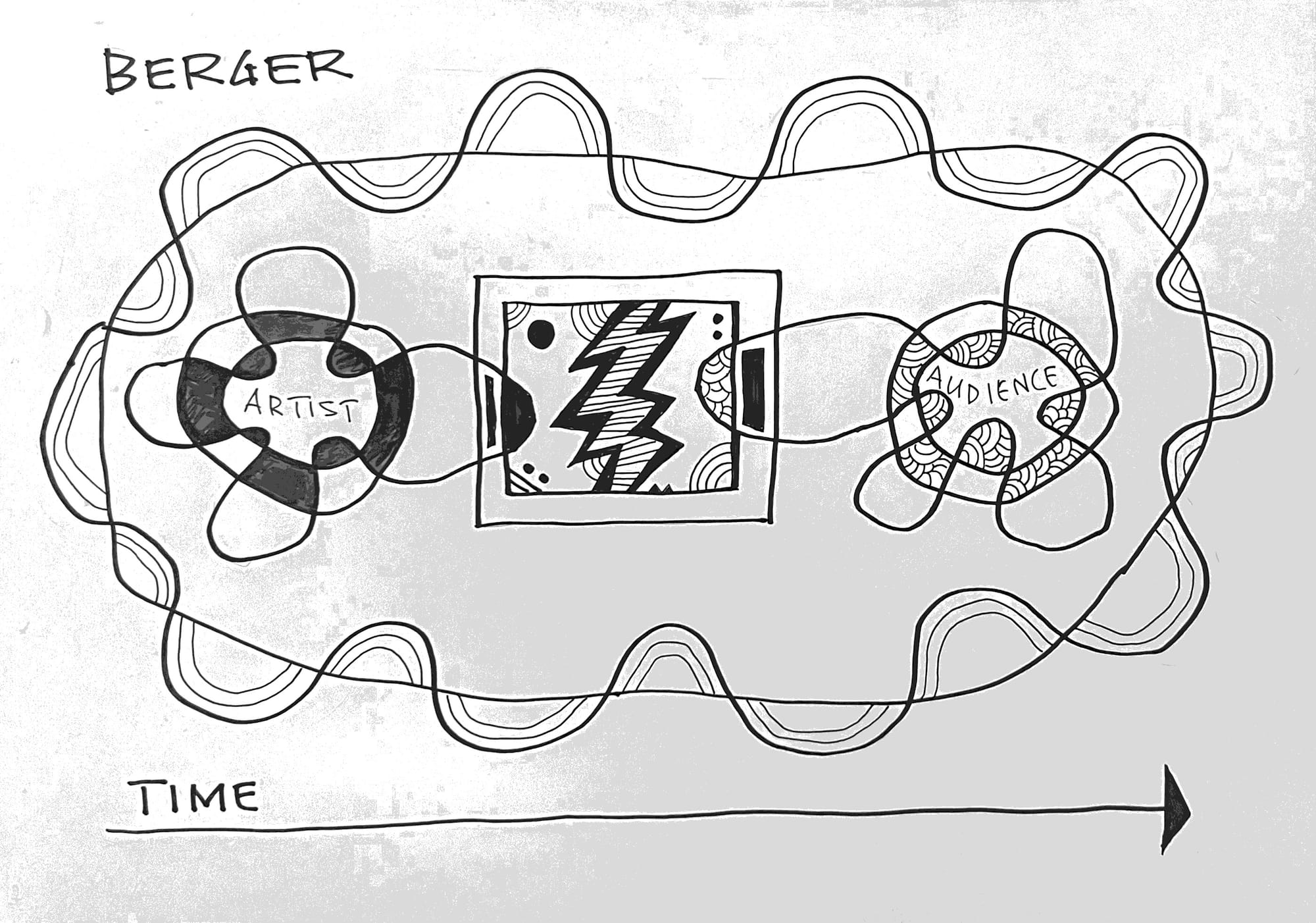
JOHN BERGER: A work of art does not have one fixed meaning. Its meaning develops through the relationship between the artist, the artwork and the audience, all of whom are shaped by changing social and historical conditions. Patronage, ownership, museums, markets, reproduction and cultural values influence what artists create, what audiences see and what societies choose to preserve. As these conditions change, so do the meanings attached to artworks. Seeing is therefore an active social process rather than a passive act of looking. Art becomes an ongoing conversation in which artists, audiences and institutions continually reshape one another across time.
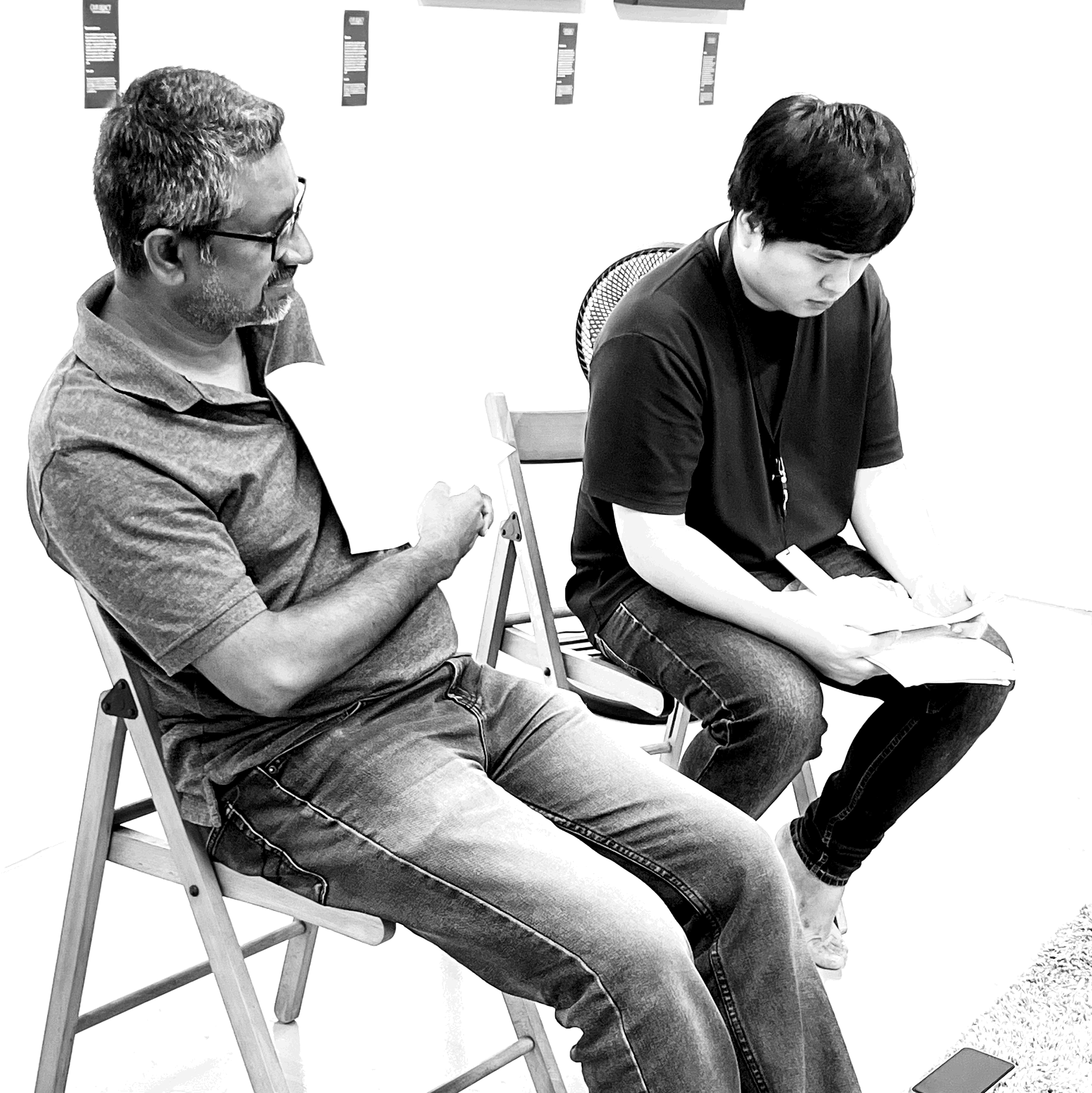
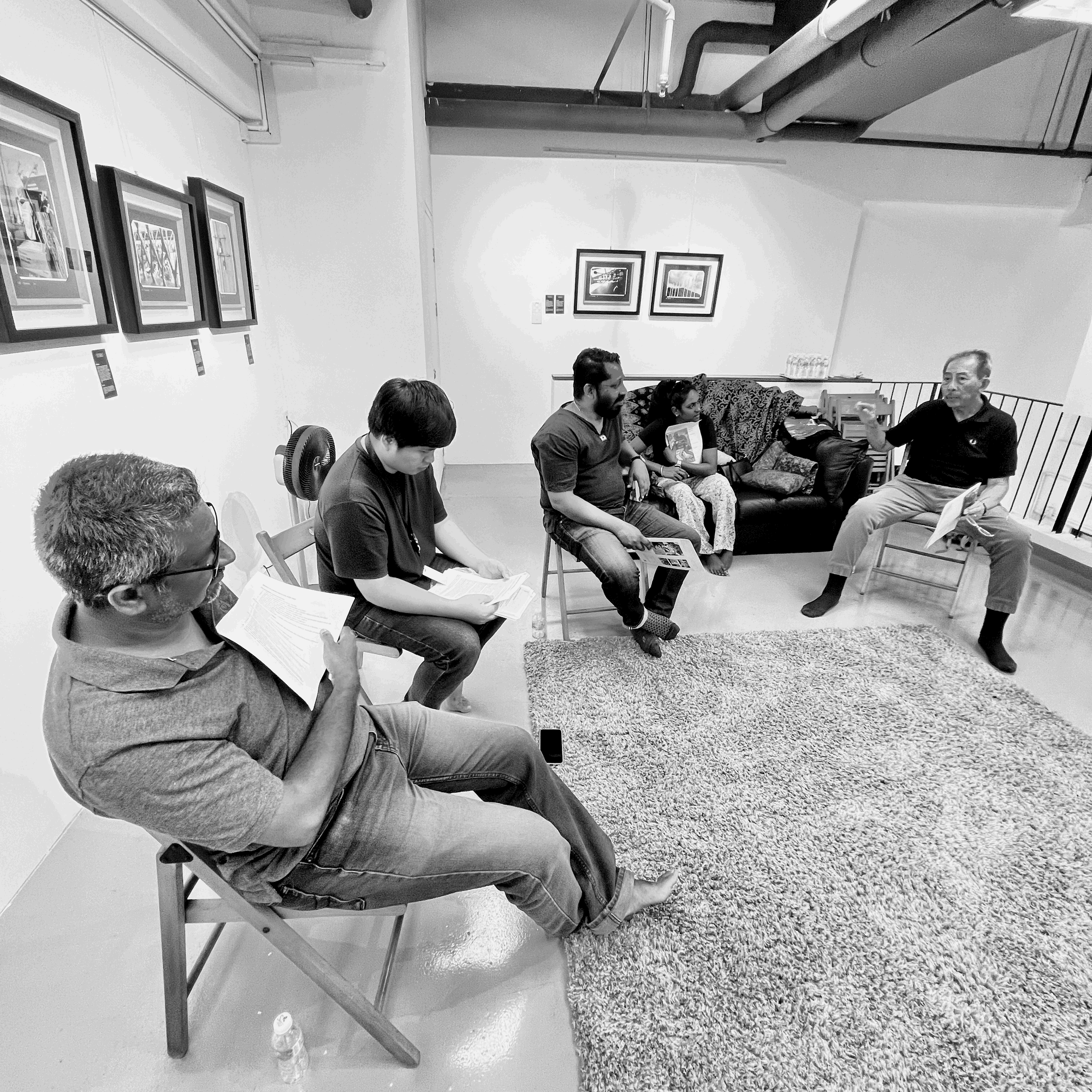
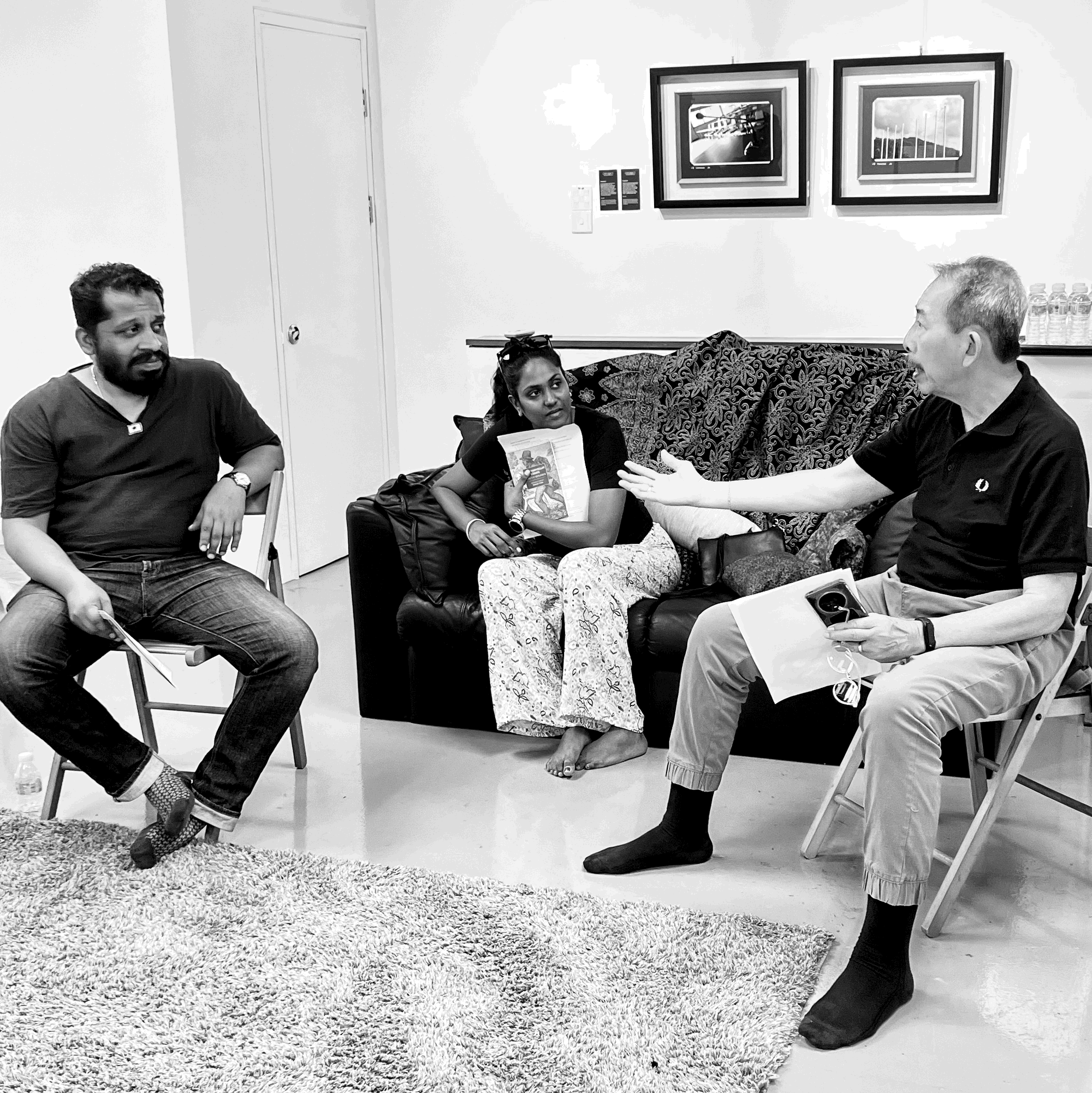
ArtVoice members (from left in the centre photo): Gerald, Giko, Sanker, Sharini and Choy at the presentation, Jin’s Art Gallery, March 2024
At this point in my life, I am asking myself if the debates and readings that we had at university need to be foisted upon practising artists. Isn’t it enough for them to understand the basics and practise art just with these? They can seek some answers they need using AI and, perhaps, refine themselves conceptually in the process. I am not anti-AI; I just don’t want to use it in the physical process of creating my art pieces.
ADDENDUM: Response by Prof Tow Keang, who is travelling in Italy**
Wednesday, July 29, 2026, Alberobello
WE LIVE only in the present moment, always moving forward. Yet almost as soon as a moment is lived, it has already slipped into memory. The stories of our lives—even the story of the present—are therefore woven from recollection rather than reality itself.
Memory colours experience with bias, expectation, emotion, and the prior models by which we make sense of the world. What we call the truth is rarely the thing itself, but an ever-revised approximation: smoke and dust, shaped by the drift and doubt of living in real time.
To hold our stories lightly is not to deny reality, but to acknowledge its mystery. Perhaps that is the only true illumination: to know that certainty is always partial, and to meet each passing moment with humility, wonder, and grace.
** Credit: Human 90-95%, AI 5-10%, according to AI