Twists and turns along Love Lane
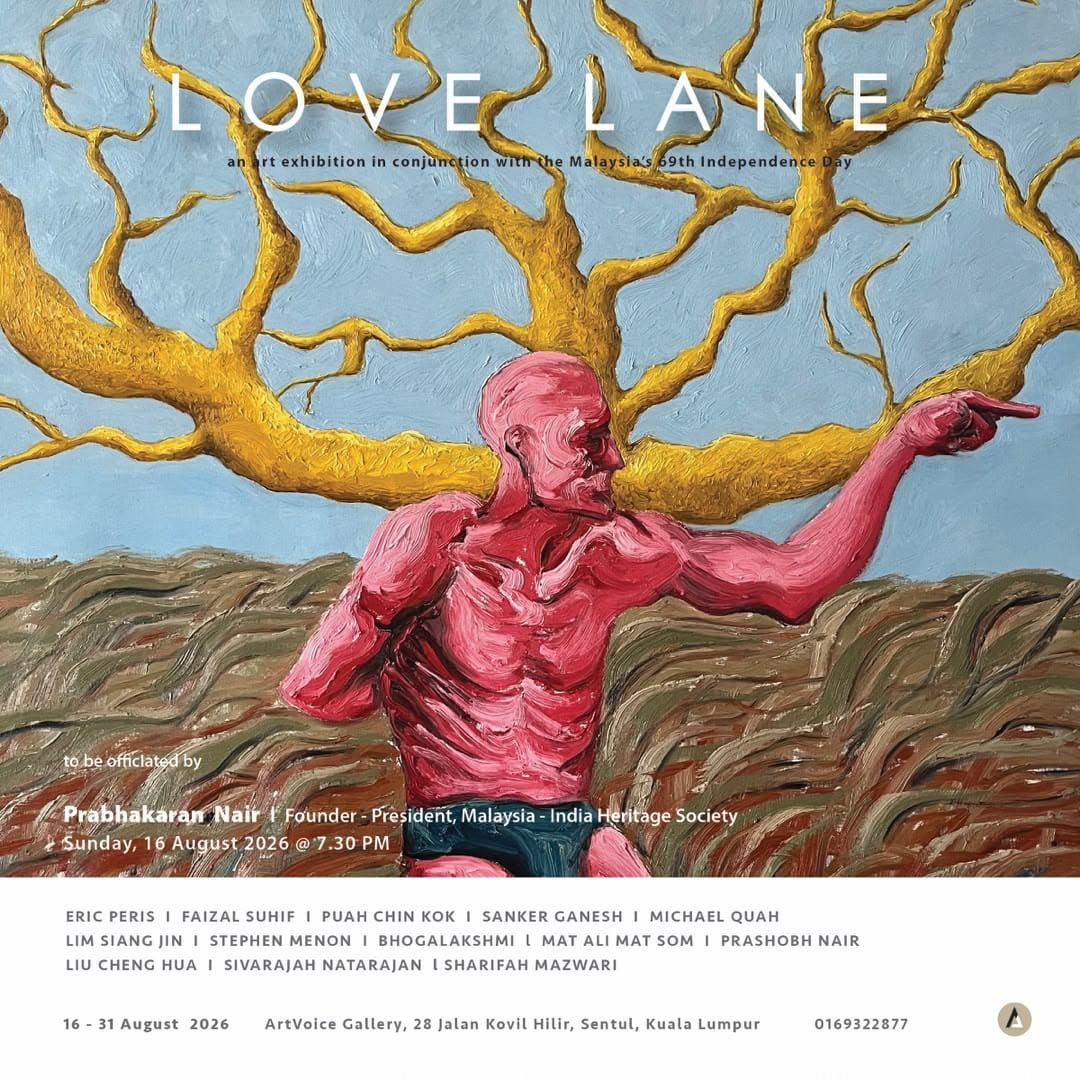
I HAD NO COMPUNCTIONS about joining ArtVoice’s Love Lane exhibition, held in conjunction with Malaysia’s 69th Independence Day, although I suspected curator Stephen Menon had given considerably more thought to the title than I had.
At its most obvious, Love Lane is a metaphor: a nation emerging from colonial dependence and beginning a new but fragile relationship with itself through self-rule. The mood, to borrow the language of love, could be described as almost infatuous, and perhaps rightly so, given the nationalist fervour that gripped the post-war world.
But the name carries a more colourful history. Penang’s Love Lane was once associated with brothels and, according to local stories, was also where wealthy men living along nearby Muntri Street kept their mistresses. The road itself is old, appearing on maps of George Town dating back to at least 1803.
The Hokkiens used to call it Serani Hang (Eurasian Lane) because many Eurasian families lived there, and later renamed it Ai Cheng Hang (Lovers’ Lane). According to another source, “The actual name in Chinese is Lok Lum in Cantonese or Le Lin in Mandarin, meaning Forest of Happiness. Through creative transliteration, it was called Love Lane.”
Be that as it may, Love Lane would also become part of an important educational precinct in 19th-century Penang, close to the road now known as George Town’s Street of Harmony.
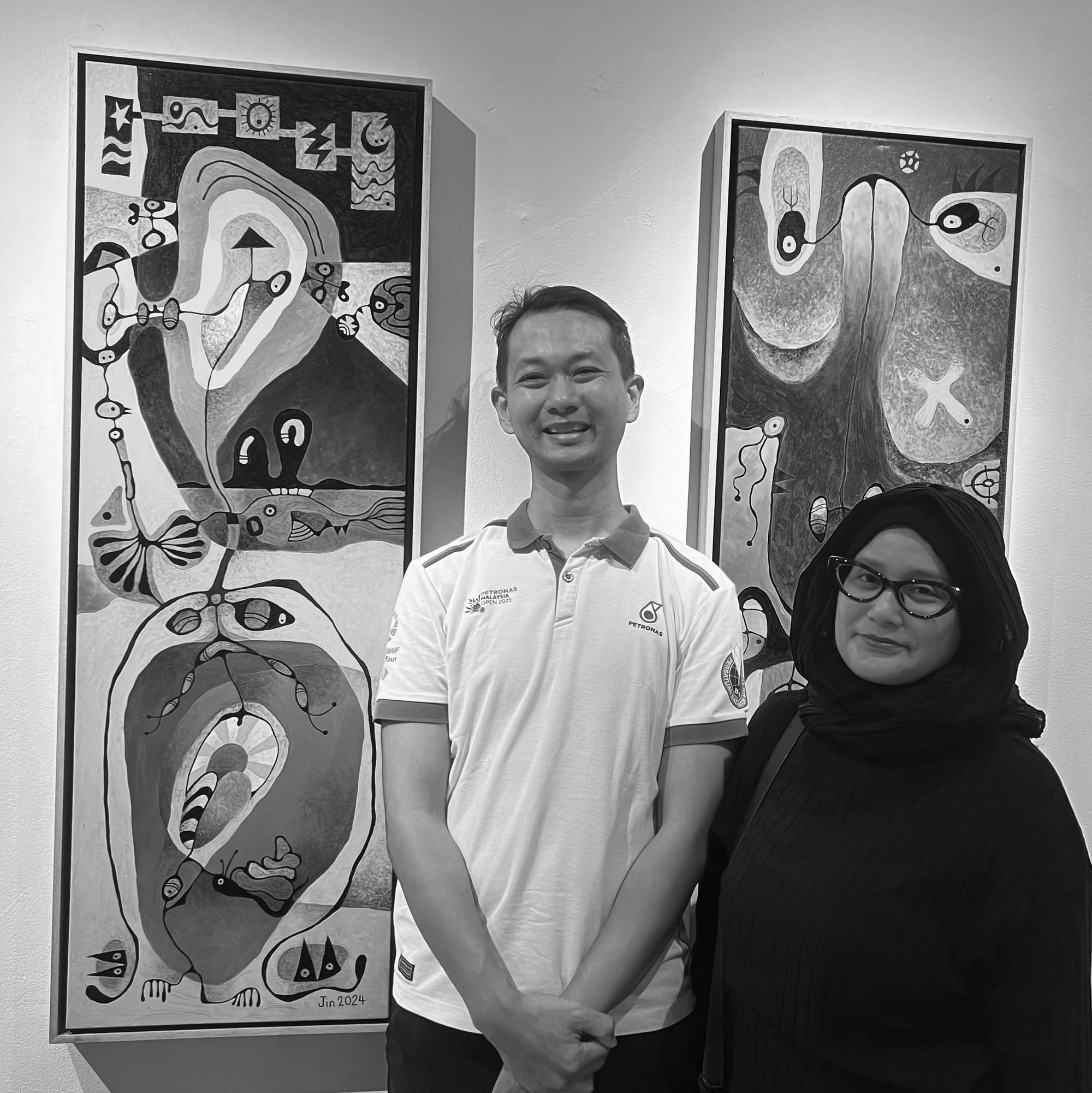
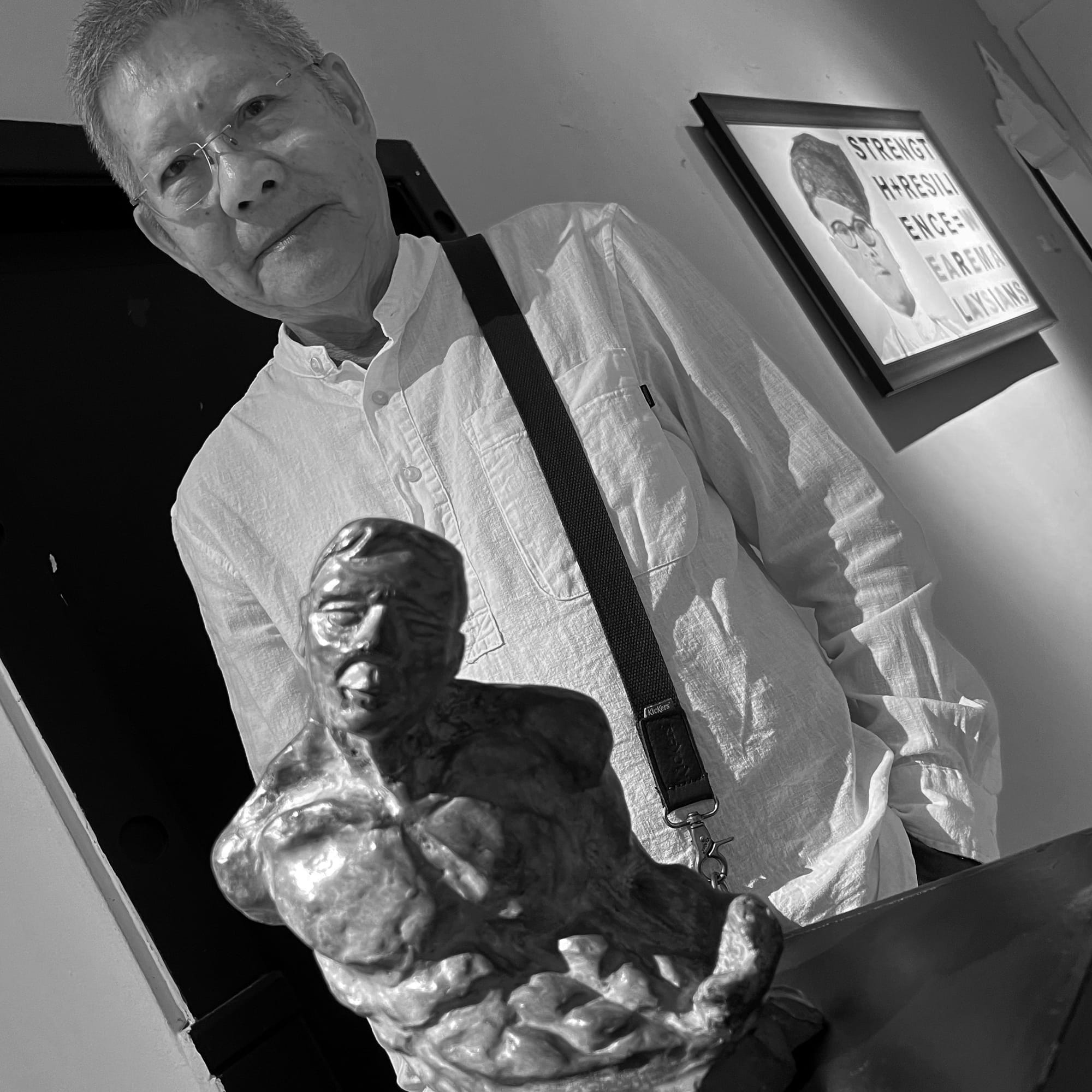
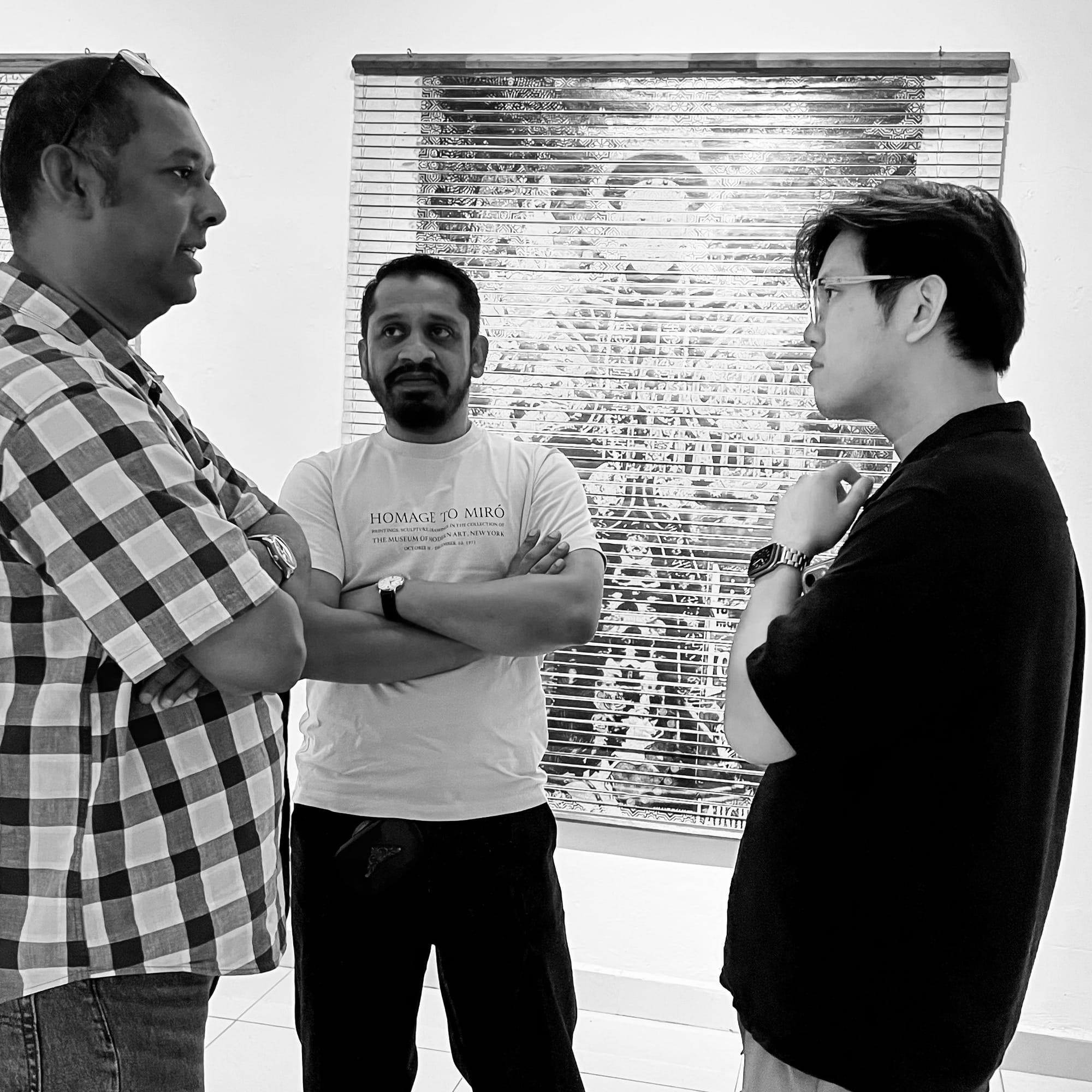
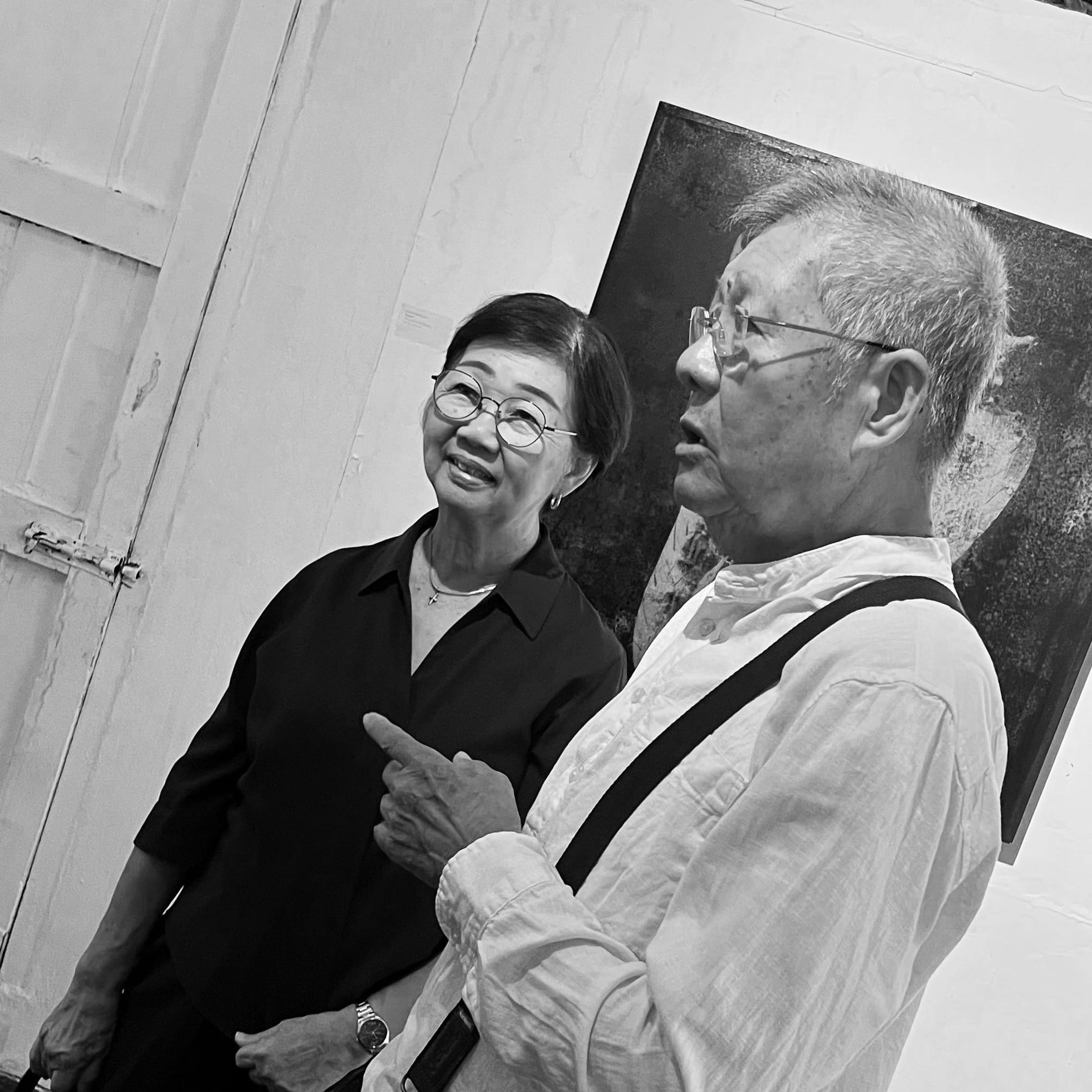
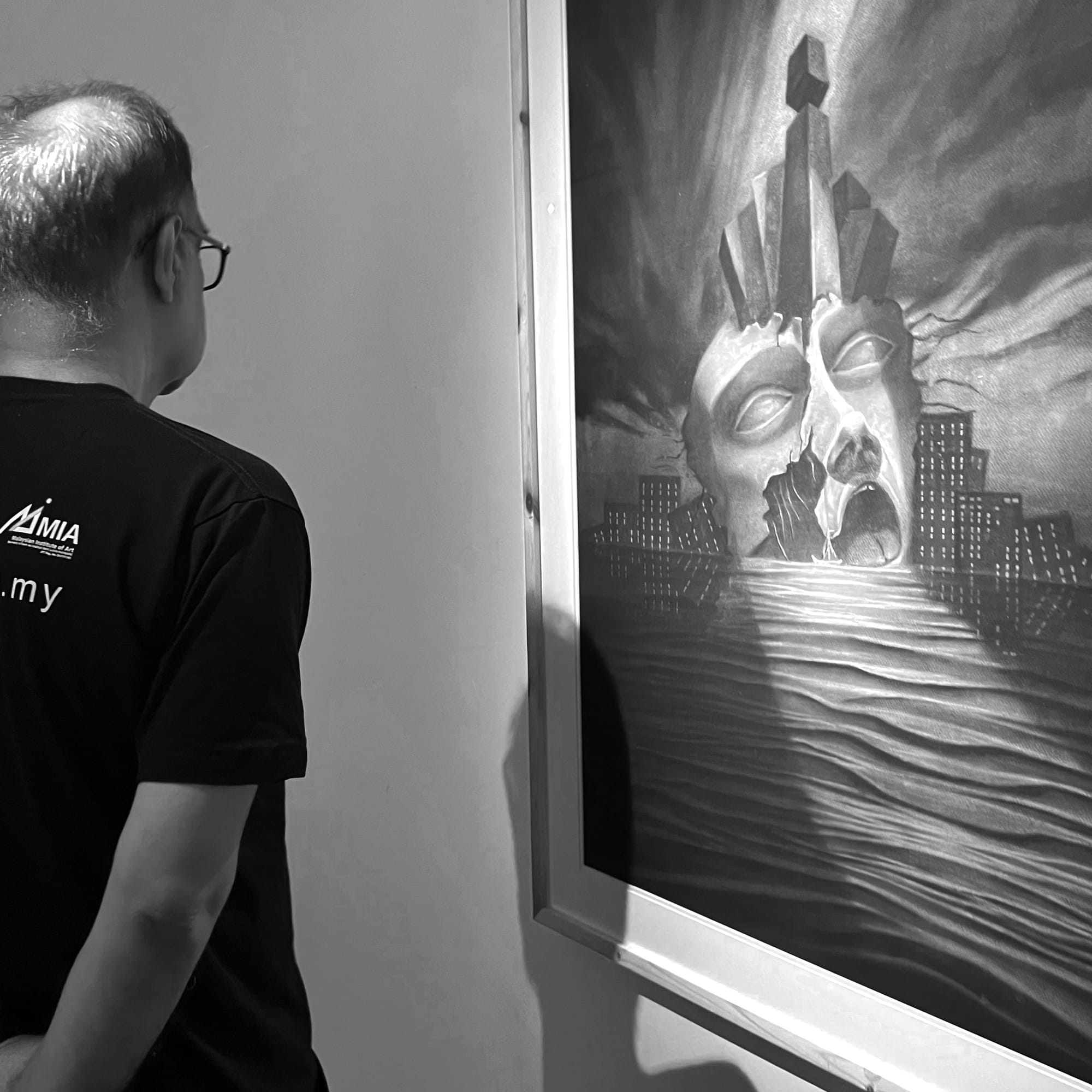
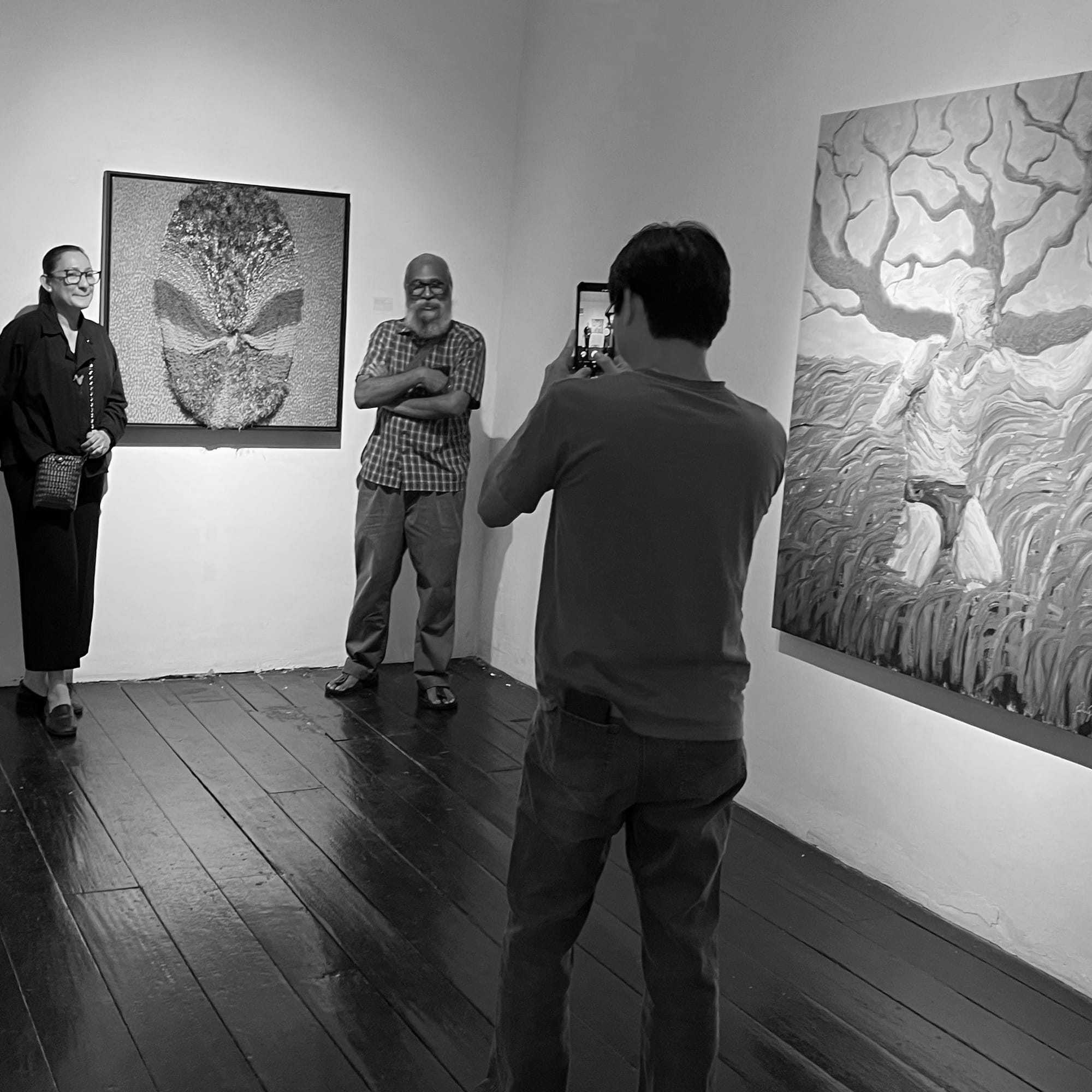
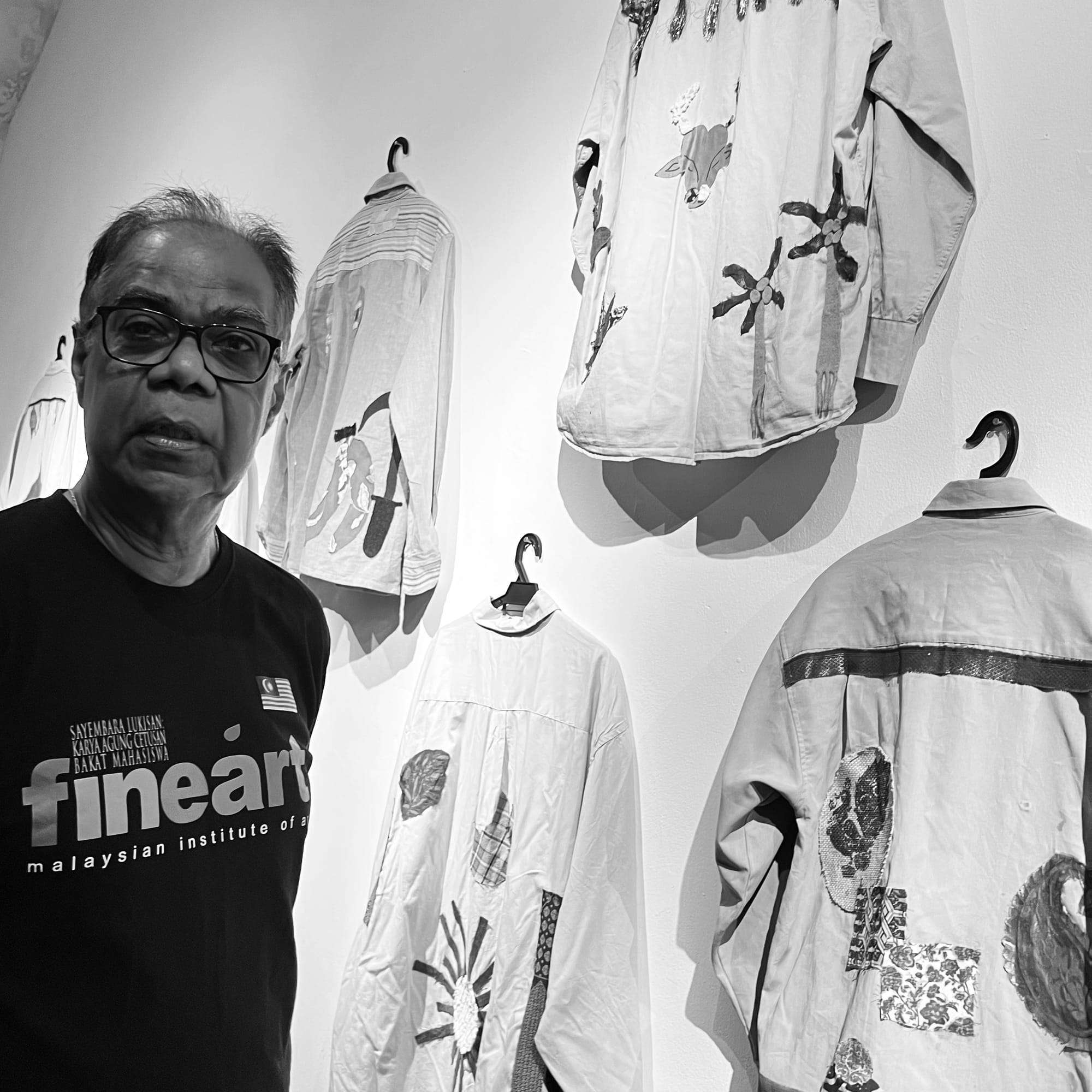

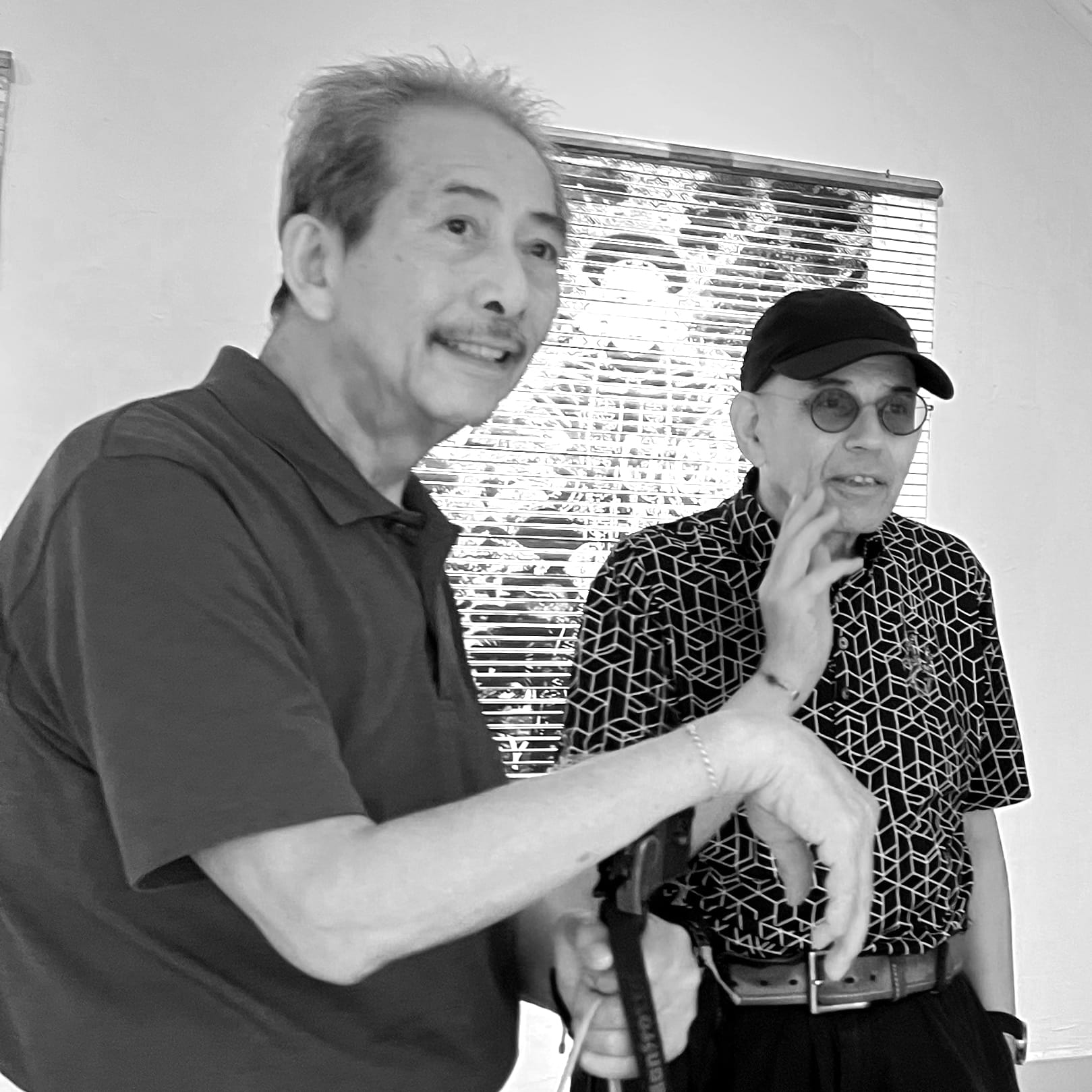
As we celebrate Malaysia’s 69th anniversary, we should be grateful that Malaysians of different ethnic backgrounds can gather as artists and audience members to experience diverse forms of art. Perhaps this is where Love Lane leads us. Merdeka did not end hardship or inequality, but it gave us the freedom to build something better. That work continues with every generation. Albert Camus ends The Myth of Sisyphus with the words: “One must imagine Sisyphus happy.” The struggle itself gives the journey meaning. Perhaps that, too, is the story of Love Lane.
Penang Free School, my alma mater, was established along Love Lane in 1816, with an initial intake of about 25. The “Free” in its name meant that the school accepted students regardless of ethnicity, religion or class—a remarkably progressive idea for its time. The school, by the way, was founded by a reverend, but was never a Christian school. In a sense, the spirit of Merdeka and multiculturalism had been planted there long ago.
Nearby were St Xavier’s Institution (founded 1852), Convent Light Street (1852) and St George’s Girls’ School (1885), institutions that would contribute to Penang’s growing reputation as a centre of education.
Parallel to Love Lane runs one of George Town’s main historic thoroughfares, Pitt Street, now Jalan Masjid Kapitan Keling. Along this street and within the surrounding historic quarter stand some of Penang’s most iconic heritage buildings and structures:
- Logan Memorial, featuring figures representing the cardinal virtues of temperance, wisdom, fortitude and justice
- St George’s Anglican Church
- Kuan Im Teng Temple (Chinese)
- Sri Mahamariamman Temple (Hindu)
- Kapitan Keling Mosque (Indian Muslim)
- Yap Kongsi (Chinese clan association)
- Han Jiang Ancestral Temple (Chinese, Teochew)
- Khoo Kongsi (Chinese clan association)
- Acheen Street Mosque (Malay)
All said, we should perhaps not be too judgmental about supposedly “salacious” places like Love Lane and its vicinity—or, at the other extreme, celebrate the city’s multicultural wonders without context.
For many migrants, British Malaya could be a hellhole. Colonial society was harsh, unequal and highly exploitative. Behind the temples, mosques, churches, schools and clan houses was another story: that of the people who came here to work, survive and somehow make a life for themselves.
Here are five points drawn from Li Dun Jen’s British Malaya, first published in 1955.
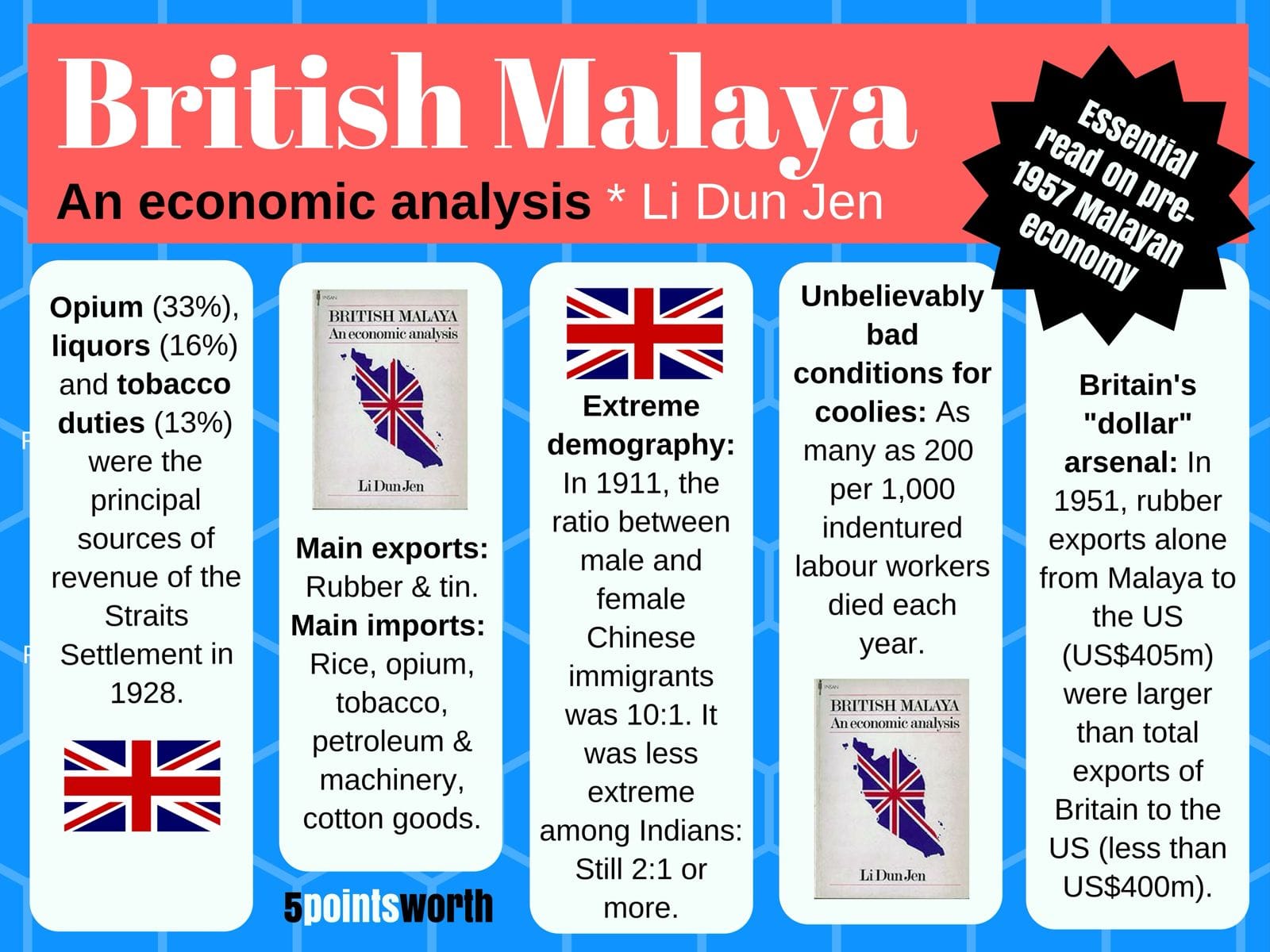
Panel four above needs qualification: In 1908, 21 estates in the Federated Malay States recorded average death rates above 200 per 1,000 workers. Fatalities were driven largely by malaria, bowel diseases like dysentery, severe malnutrition, and exhaustion from backbreaking clearing work in a virgin disease environment to which migrants had no immunity. Read here. In 1908, the crude death rate among estate labourers in the Federated Malay States was estimated at 79.6 per 1,000, compared with 65 per 1,000 among Tamil labourers and just 14.8 per 1,000 in England and Wales. Source: Lynn Hollen Lees, Planting Empire, Cultivating Subjects: British Malaya, 1786–1941 (Cambridge University Press, 2017)