When the sea remembers
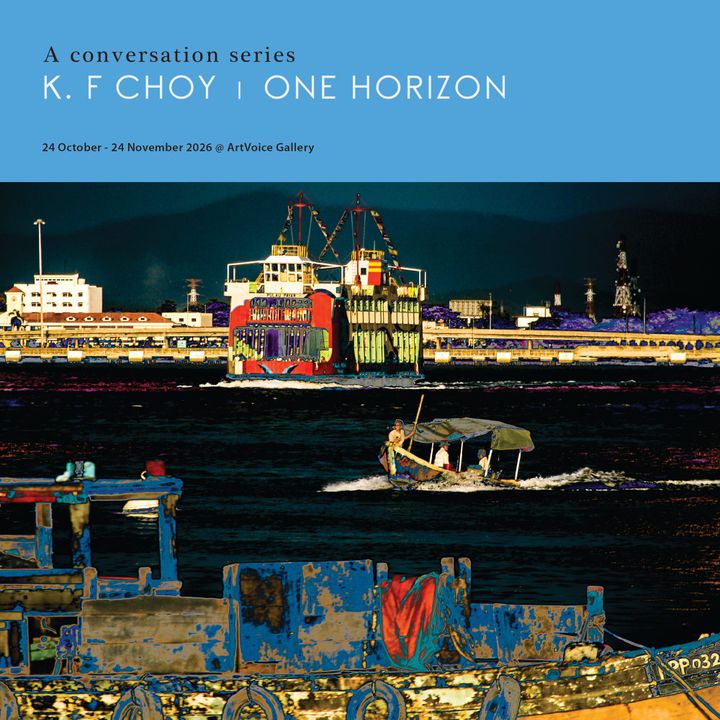
IF YOU were inclined towards superstition, the numbers surrounding the Penang ferry terminal tragedy of 1988 and KF Choy’s exhibition revisiting it 38 years later would be intriguing. The disaster struck at 4.40 pm on July 31, a date whose digits add up to four, a number popularly associated with death. In contrast, 38, combining sam (growth) and fatt (prosperity), is considered auspicious, lending a more hopeful association to Choy’s retelling of the tragedy.
But while numbers invite us to find meaning in coincidences, memories give meaning to events that might otherwise fade with time. New ferries have replaced the old, generations have come and gone, and life has moved on. Yet the tragedy, which claimed 32 lives and injured more than 1,600 people, is rarely spoken of today. Through One Horizon, Choy returns to that fateful afternoon, raising a question that goes beyond the coincidence of numbers: what happens to memories when the world moves on?
To understand what Choy is revisiting, let’s recount the incident in greater detail.
It was July 31, 1988, a day when two festivals collided: the St Anne’s Feast in Bukit Mertajam and Guan Yin’s birthday in George Town, which that year was marked by a procession held only once in 60 years.
That afternoon, thousands of people, including families who had attended the St Anne’s Feast, made their way to the Butterworth terminal to cross to the island for the procession. By 3 pm, more than 2,000 people were packed into a waiting area meant for about 200, and the crowd kept swelling, with some estimates putting it at 10,000.
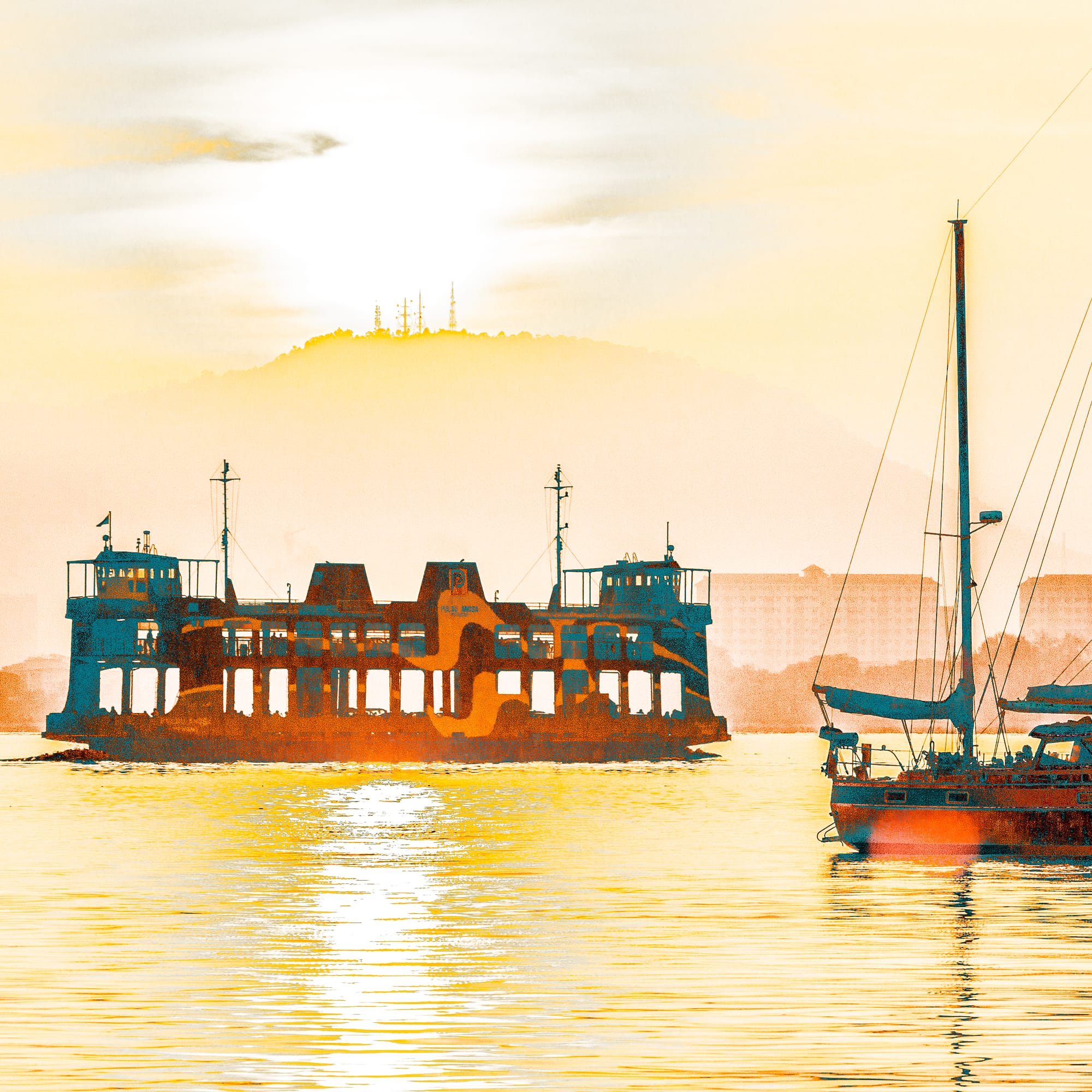
At about 4.40 pm, as passengers jostled to board the Pulau Langkawi ferry, the upper platform, some 17 metres high, split into a V and gave way, sending people sliding onto the motorcyclists waiting below. Among the 32 dead were 14 children, the youngest only six, and two port officials, while one couple lost three children in a single afternoon.
With the roads jammed, ambulances and fire engines could not get through, so rescuers turned to sampans and port fire boats to reach the injured from the sea. Left behind at the terminal was a pile of shoes, a disturbing reminder of lives lost that day.
A year later, a Royal Commission of Inquiry found the Penang Port Commission negligent, concluding that the ferry manager should have known the limits of the upper deck and that operations should have used figures from previous festivals to anticipate the crowd. The old passenger terminal was never rebuilt; foot passengers were moved to the vehicular terminal next door, and the ferry fleet was eventually halved.
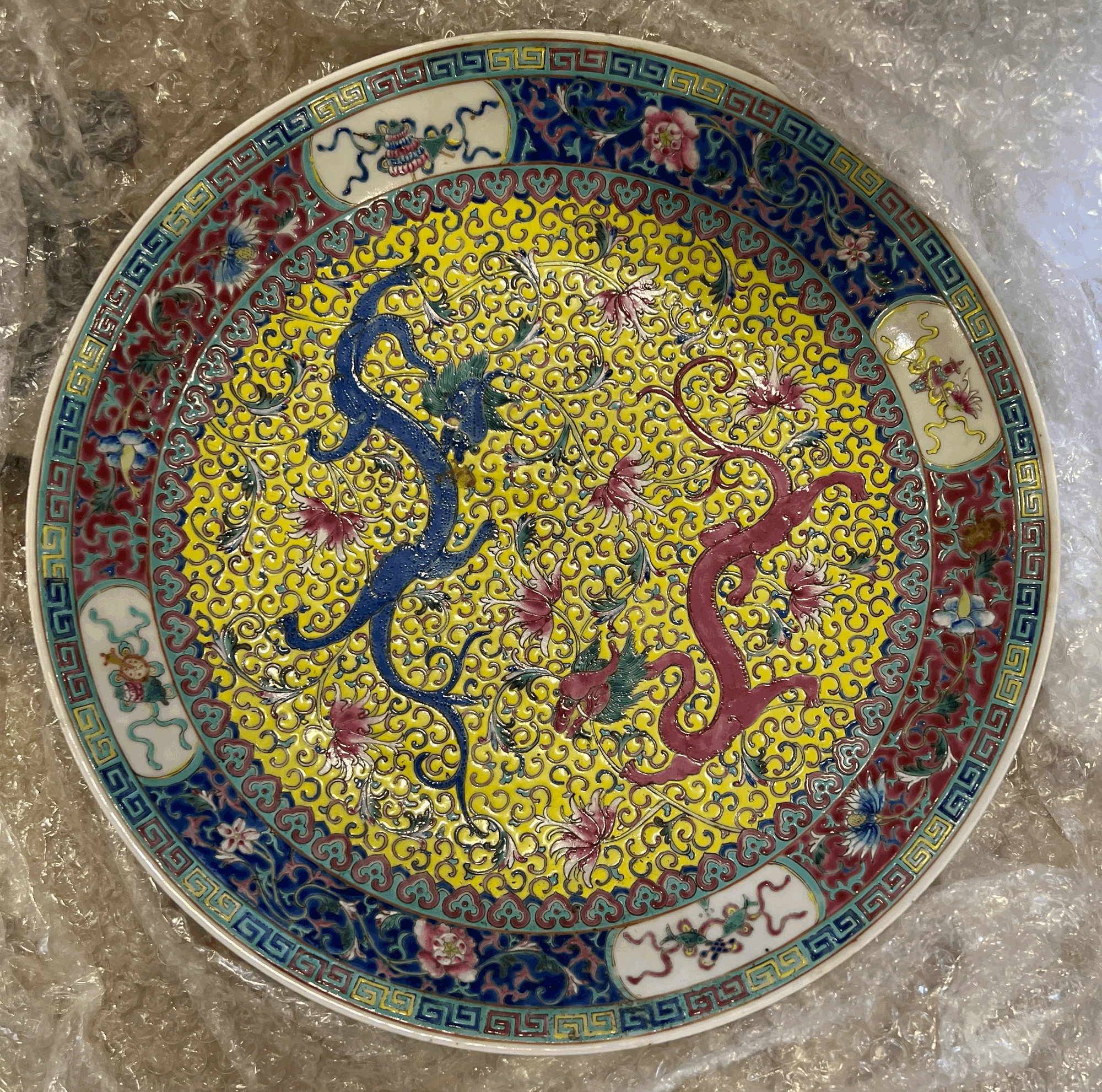
In the aftermath, the suddenness of the tragedy gave rise to stories of another kind, returning us to the superstitions surrounding that fateful day. One tale told of two dragons that had ventured out during the Goddess of Mercy celebrations and quarrelled, with one swinging its tail and striking the terminal. That 1988 was a Year of the Earth Dragon, which returns only once every 60 years, and gave the procession its rarity, lending weight to a tale born of desperation as people struggled to explain a catastrophe that came without warning.
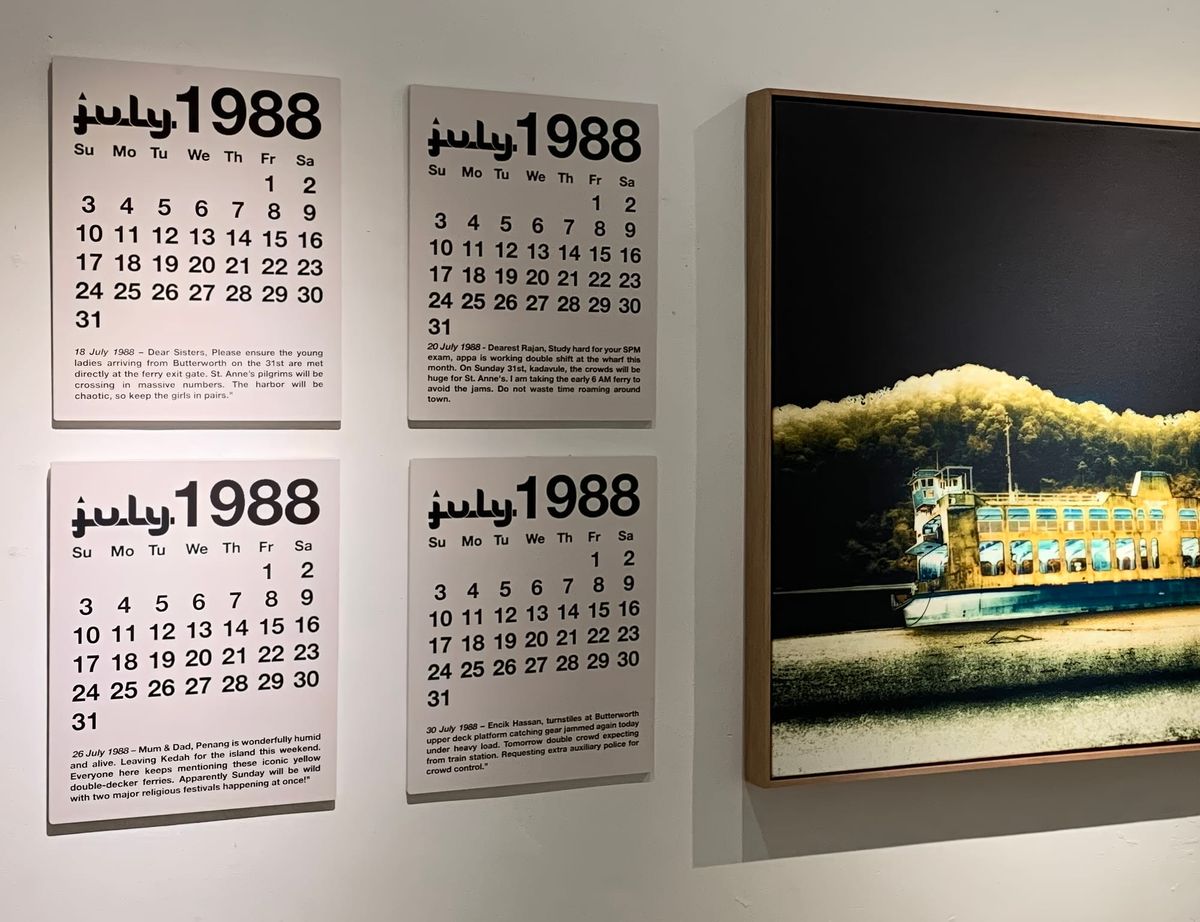
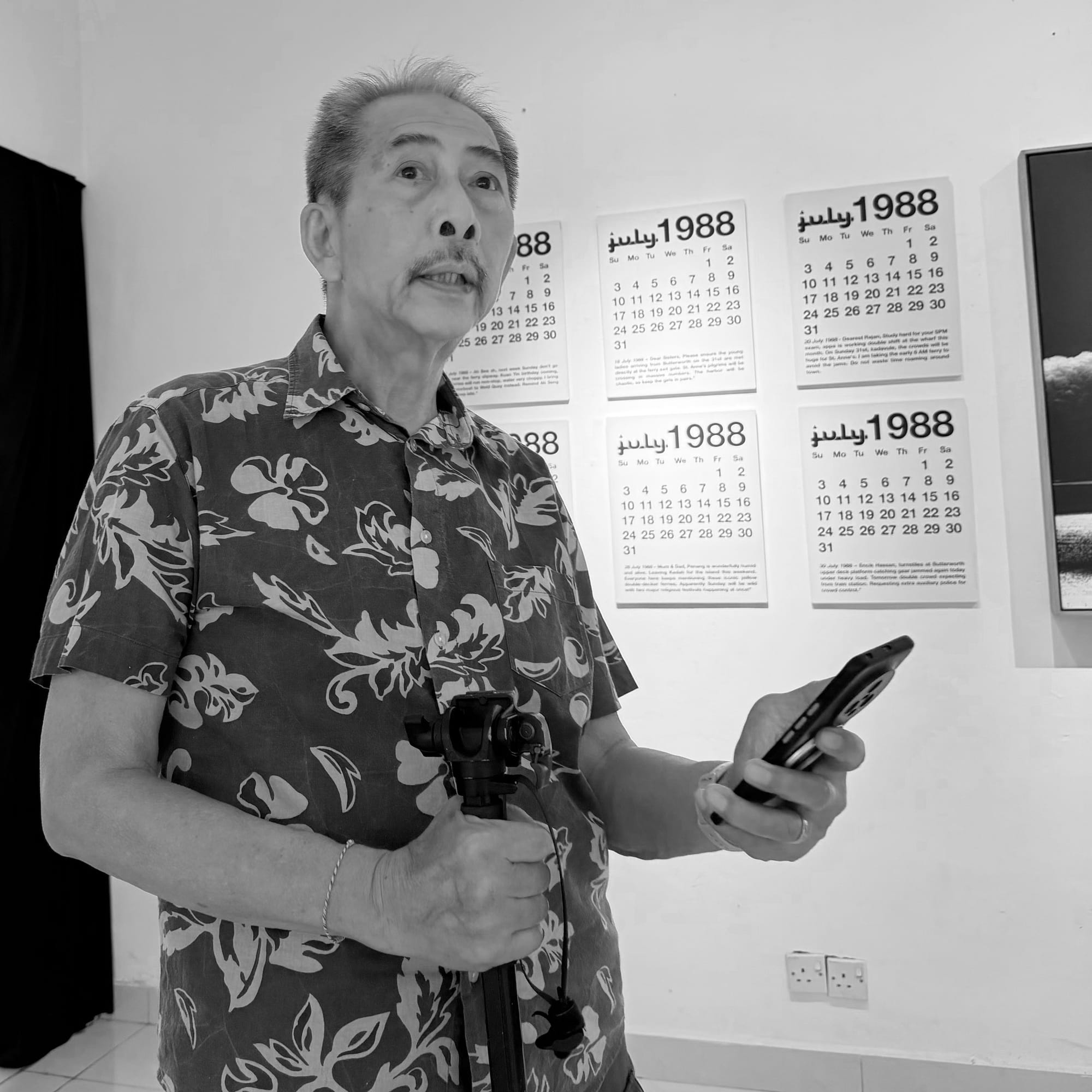
On this day, photographer KF Choy returns in the second chapter of his exhibition One Horizon, through 12 missives he wrote himself, each in the voice of an imagined Penangite.
In one, dated July 15, a fisherman tells his son not to fish near the ferry slipway because “Kuan Yin birthday coming, the ferries will run non-stop”. The last, dated July 31, breaks off mid-sentence as “the whole deck is dropping into the water”.
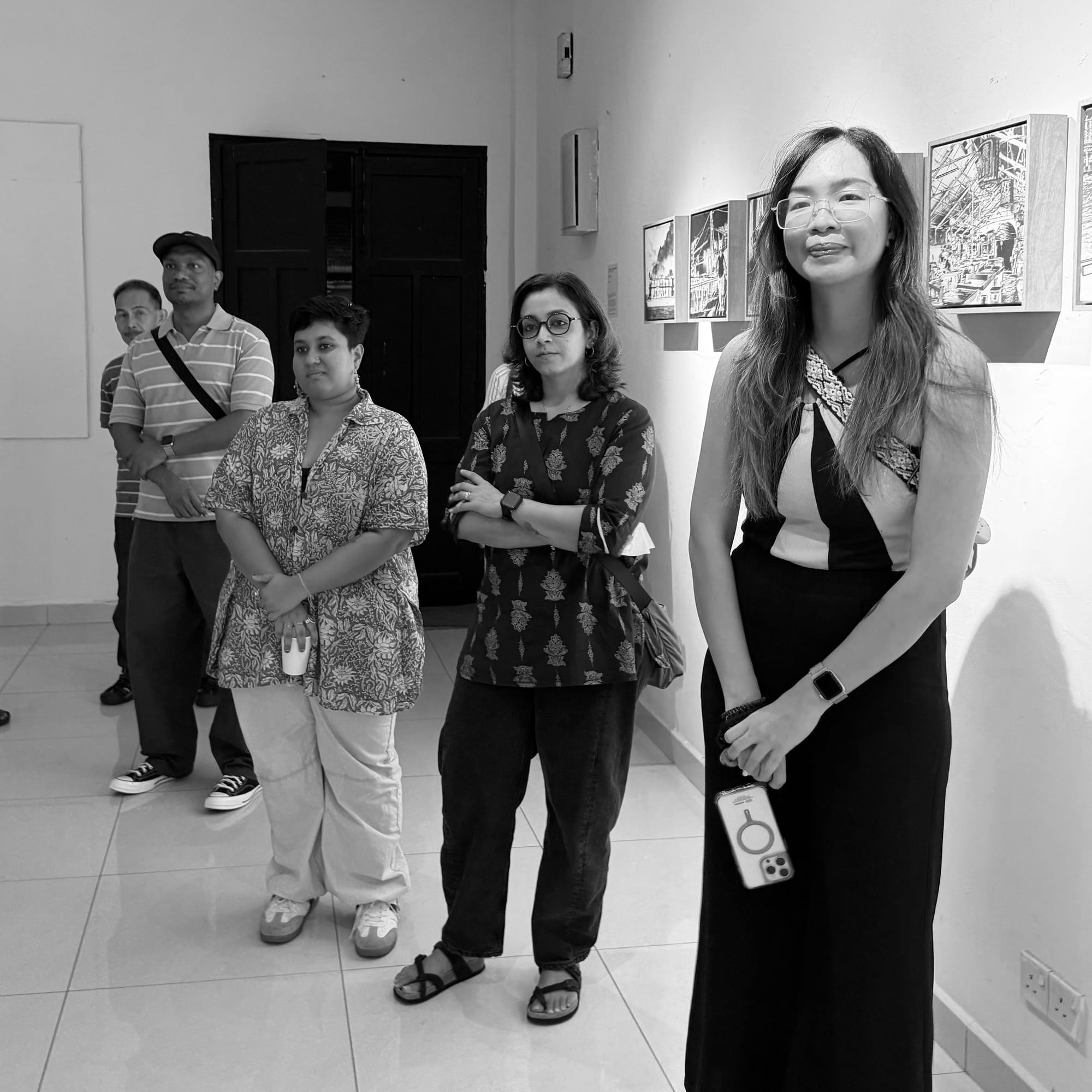
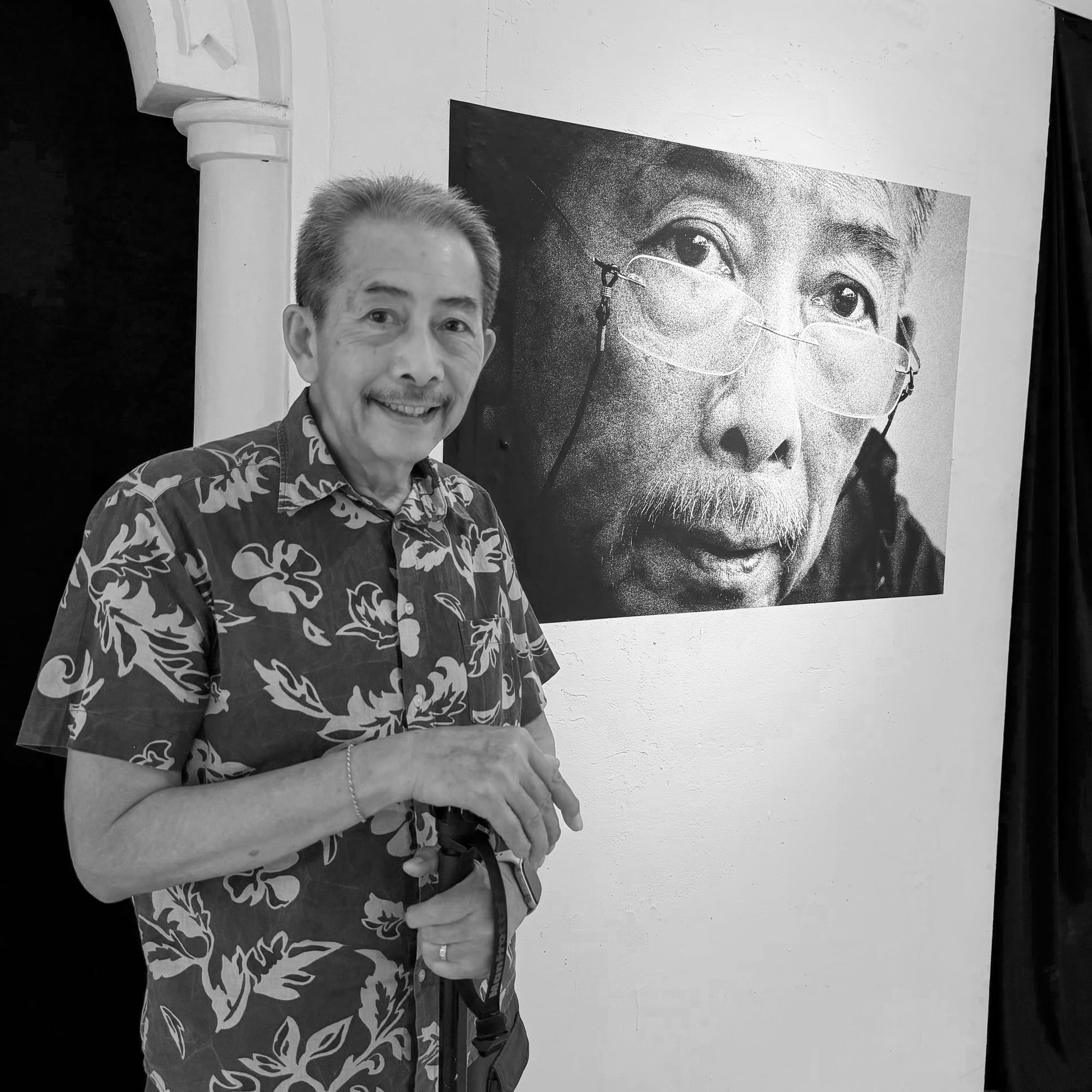
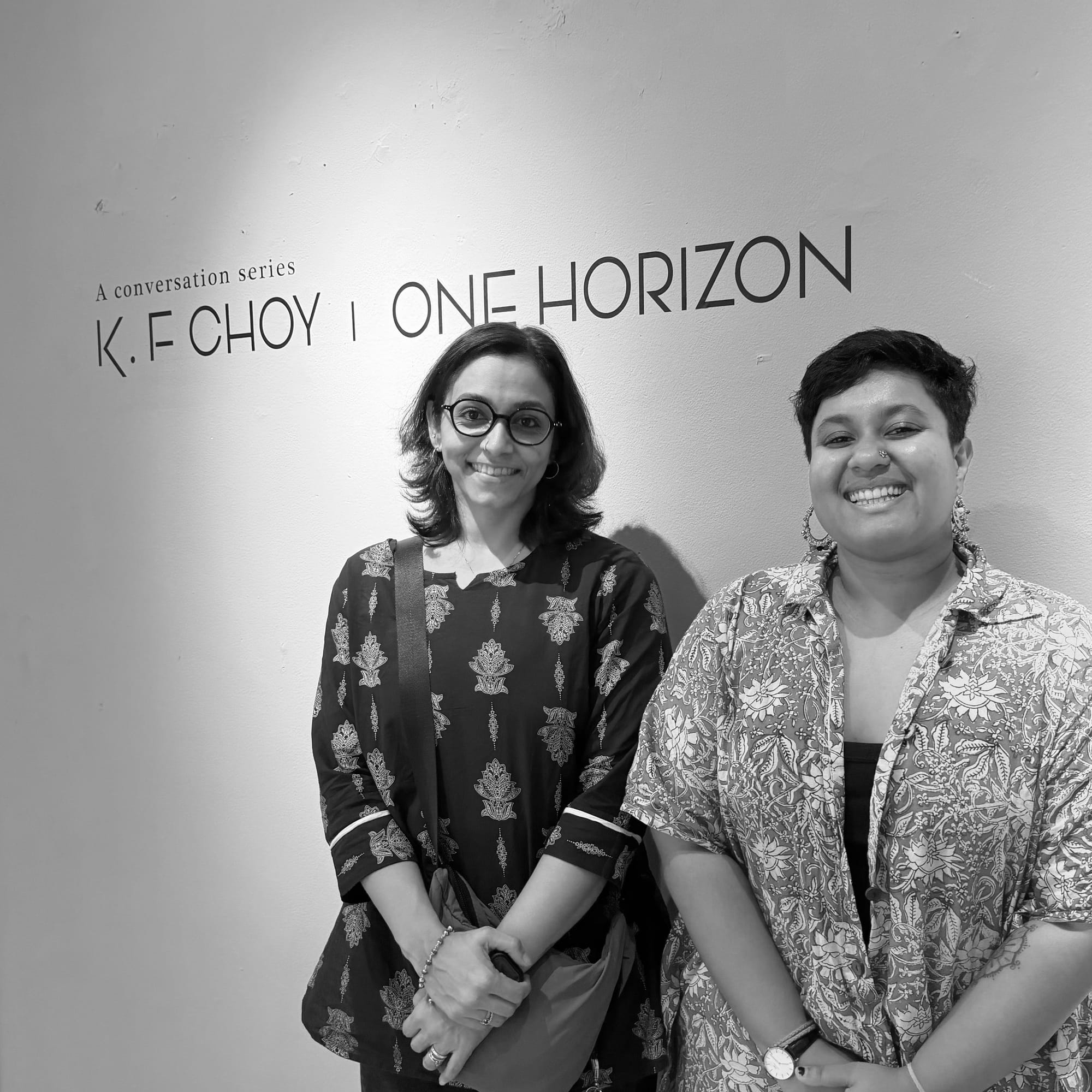
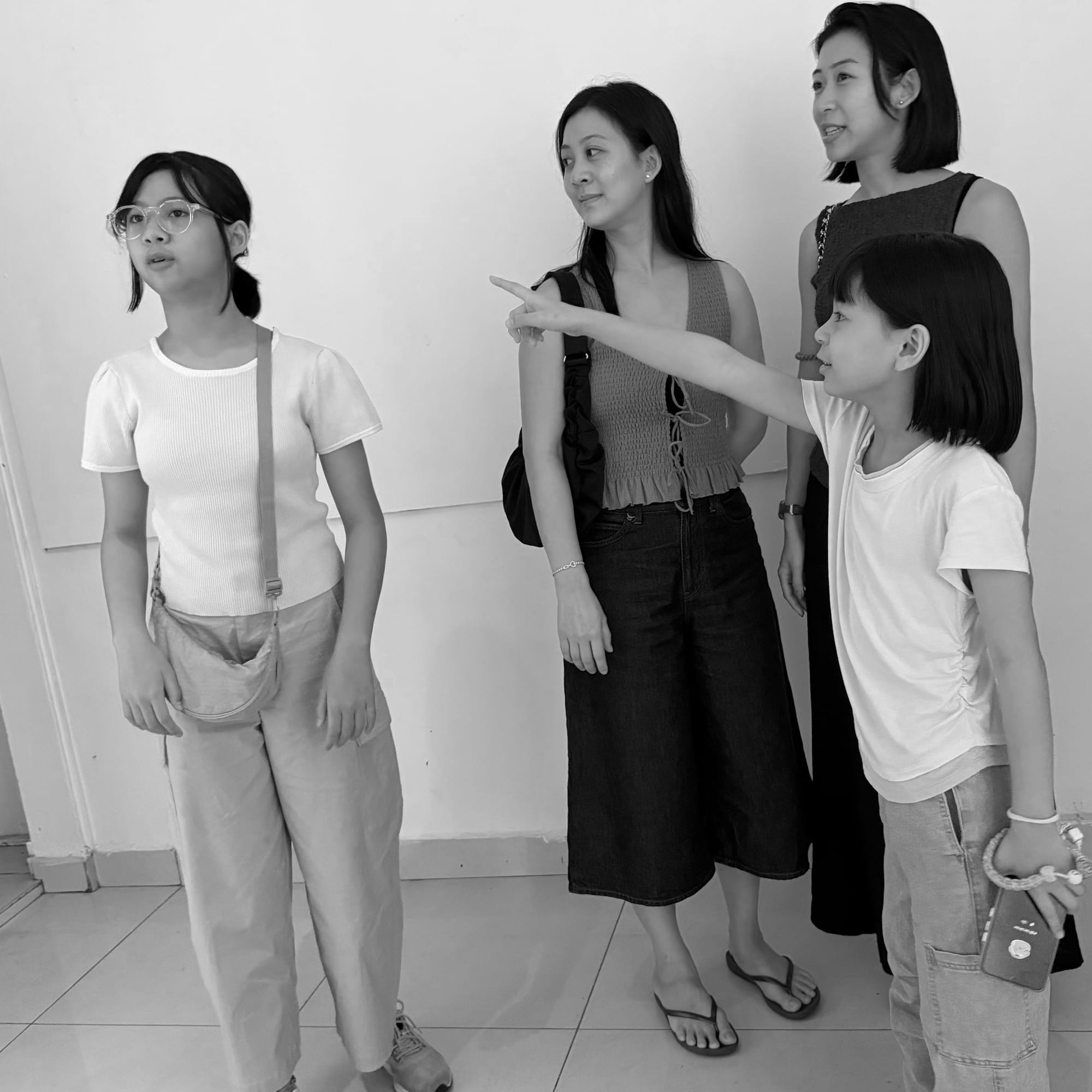
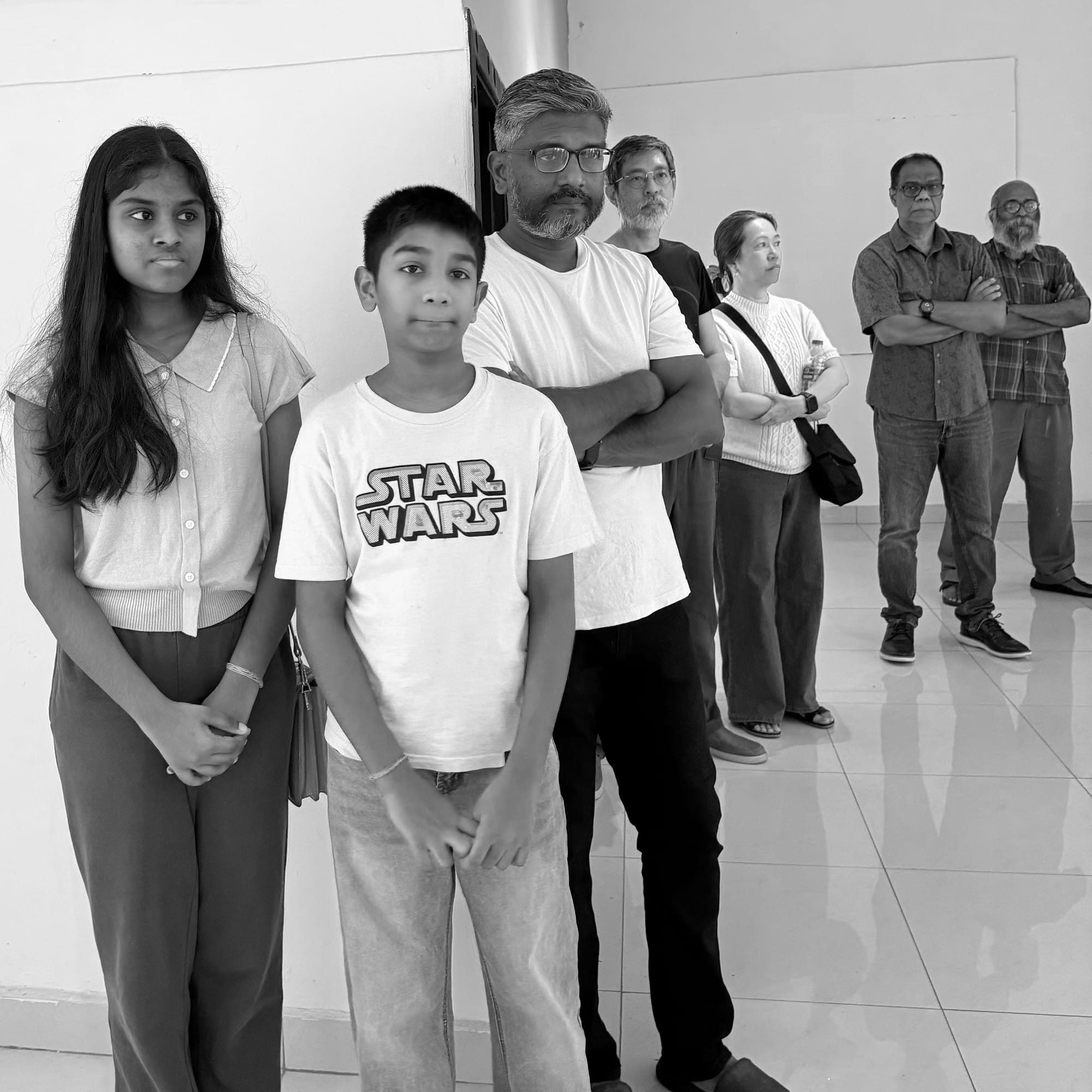
Launch day: Saturday, October 24, 2026
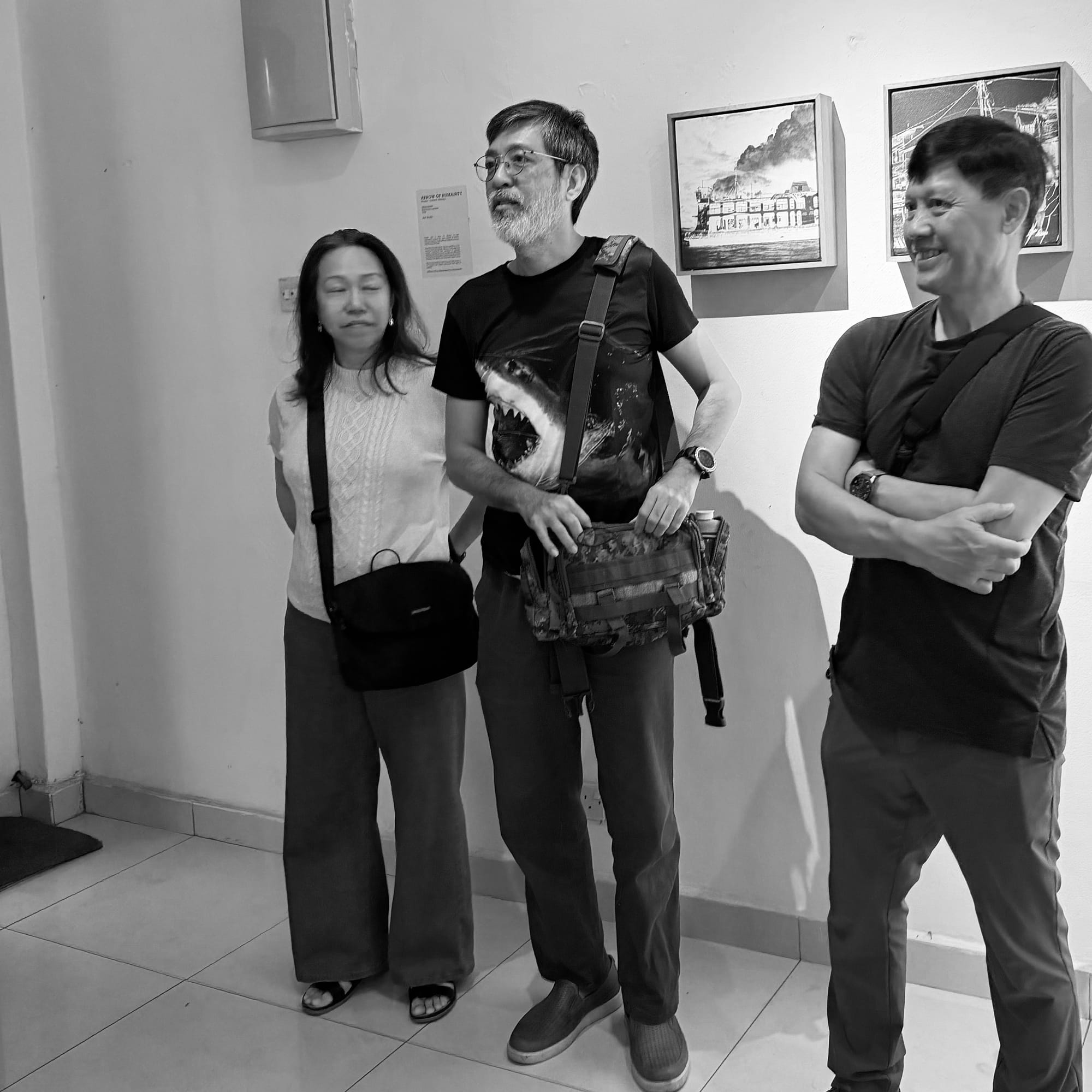
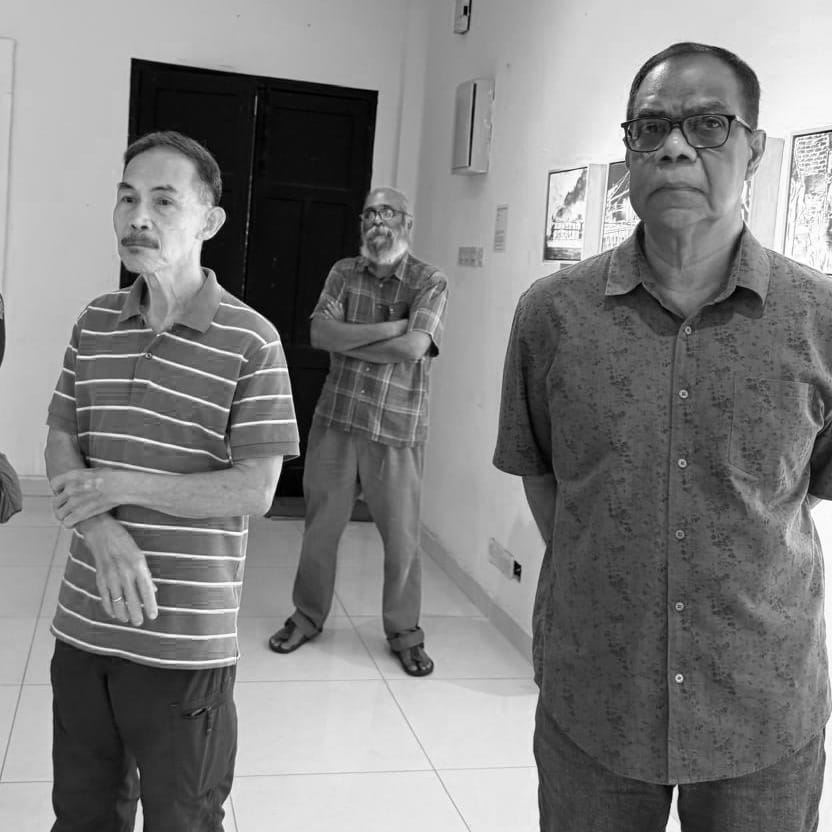
Dato’ Dr Ooi Kee Beng, who opened Choy’s exhibition, offered a way of understanding why such moments linger. He observed that past traumas continue to shape how we experience our surroundings long after conditions have changed, and that we come to call them heritage, legacy and culture.
Comparing Hong Kong, Singapore and Penang, three small islands where he has worked, he noted that Penang has built two bridges to the mainland and now plans a tunnel, much like Hong Kong but on a far more modest scale.
“Penang’s old ferry system was always compared to Hong Kong’s. Theirs still run; Penang’s was replaced,” he said. “While Hong Kong culture embraces the sea, Penang culture fears it at some deep level, feeling alienated from the land beyond. In that sense, we are more like Singapore.”
For a generation of Penangites, the ferry was not merely a way across the strait but a part of daily life, and the day it turned into a scene of death may well have left a mark on how the island regards the water. That said, Choy returns to that day with compassion, giving voice to ordinary people who were trying to cross the Penang Strait for a festival.
Some believe that water holds memory, an idea popularised by Japanese author Masaru Emoto, though science has yet to bear it out. Even so, while memories may have faded among us, perhaps the sea remembers. Charles Trenet once sang of the sea in La Mer, in 1946, as a constant presence with silver and shifting reflections under the rain. And while ferries still carry passengers back and forth across the strait between Butterworth and George Town, Choy’s lone ferry, glowing against the dark, reminds us that the 1988 tragedy has found a home on his linen canvas.
Read Part 1: One Horizon, many perspectives. Click here
Carolyn Khor is a contributing writer and researcher based in Penang who specialises in art, culture and heritage writing.