Stephen Menon’s journey into cryptic symbolism
By Anansa Jacob and Kenneth Ang
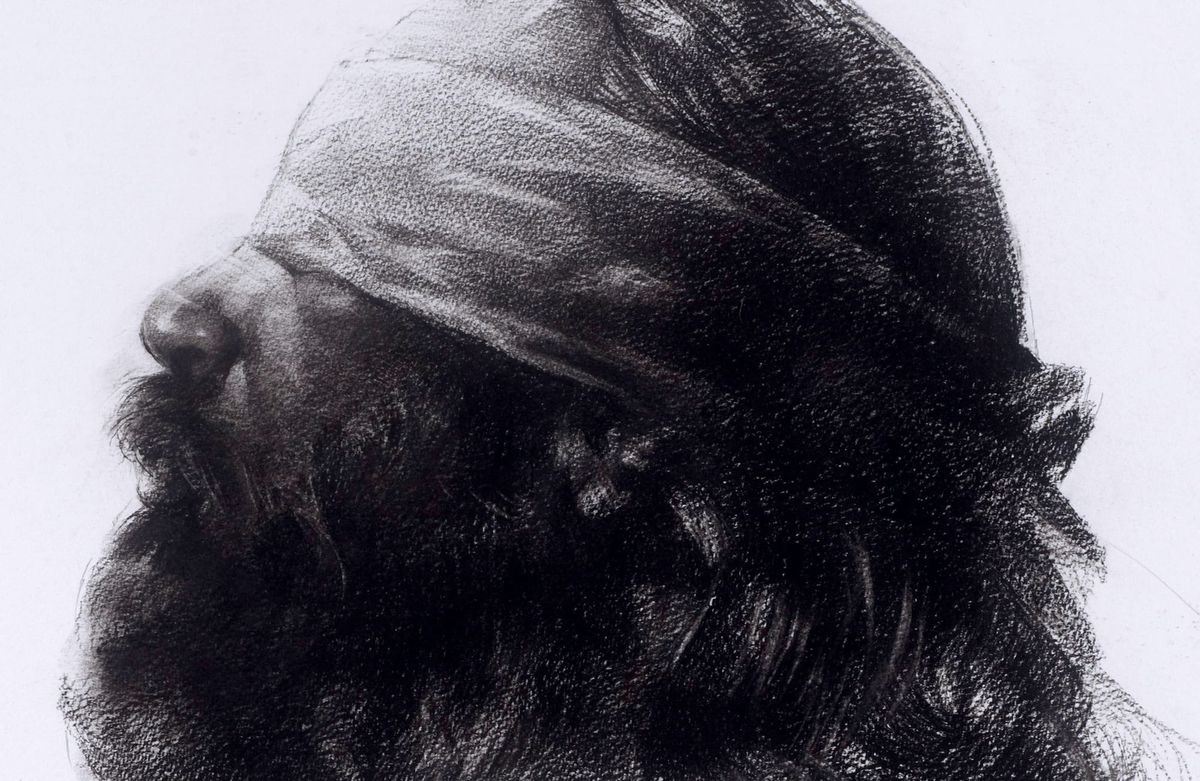
FOR STEPHEN MENON, art has never been simply about reproducing what he sees. His early fascination with drawing and portraiture began with close observation – watching artists work at Taman Kerang in Kuantan and later studying the human figure in art college.
Over time, however, his understanding of what an image could do broadened. A face could represent more than a person; an object could carry an idea; a number or a word could become a clue.
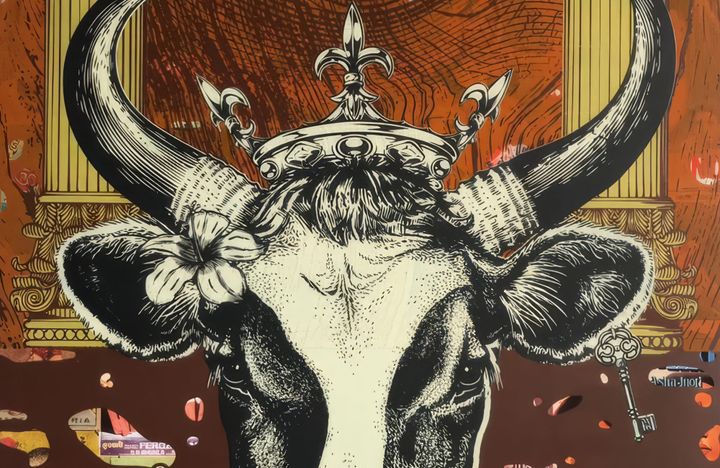
This growing interest in meaning beyond appearance has led Stephen towards what he describes as “cryptic symbolism”. Through this approach, images, numbers, text, and icons accumulate in deliberate layers, inviting viewers to look past the immediate surface and uncover a deeper story.
During his formative years at the Kuala Lumpur College of Art, Stephen worked hard to master portraiture and the human figure as a realist artist. He later adopted silkscreen printmaking as a central medium. Over time, however, simply copying reality began to feel restrictive, yielding mere replication rather than genuine creative expression.
Stephen realised he wanted his artwork to carry independent conceptual weight and invite viewers into an active dialogue. His eventual approach to layered storytelling and symbolism was heavily shaped by a diverse range of local and international artistic influences.
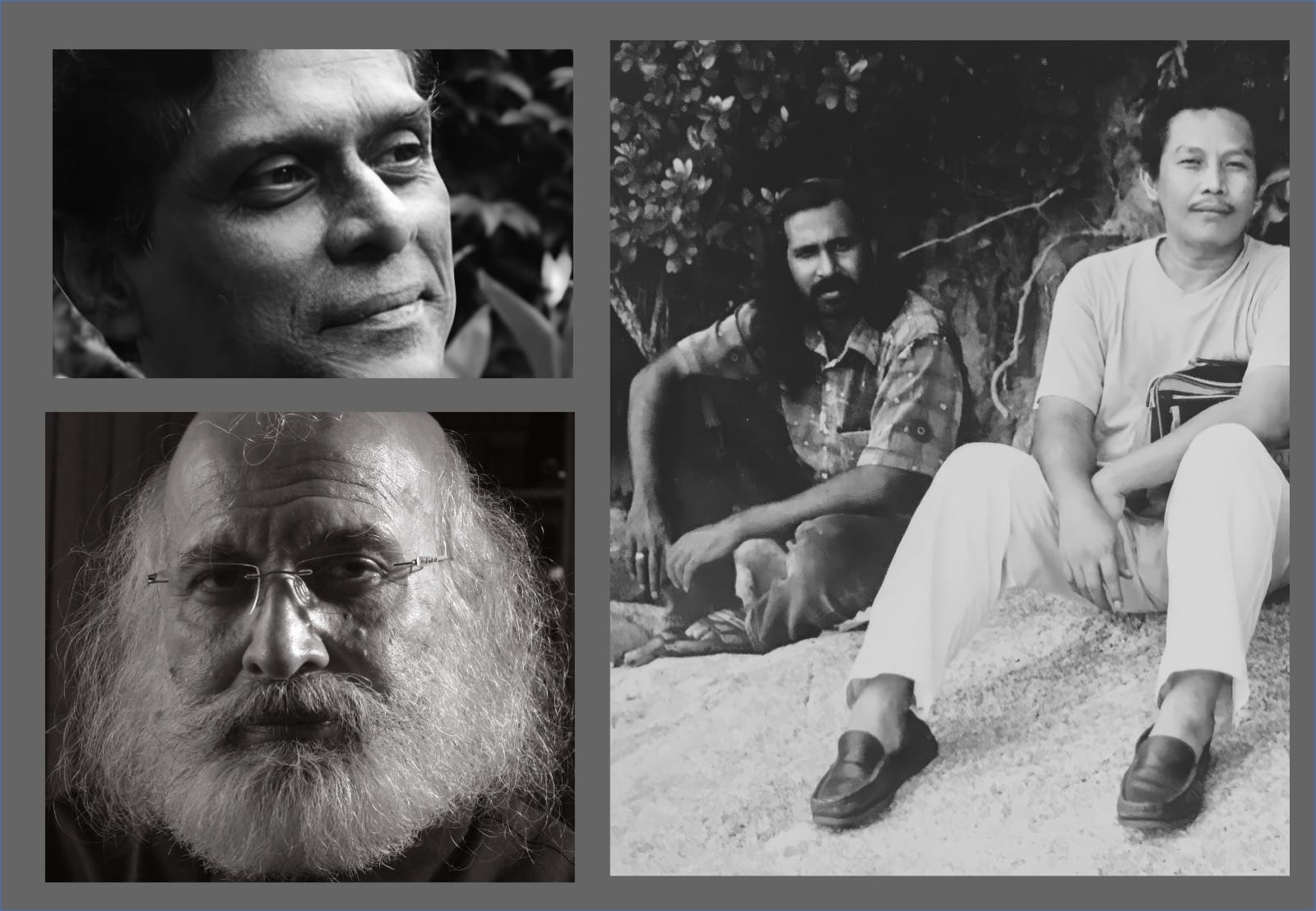
Perhaps the most pivotal conceptual influence was Redza Piyadasa, who demonstrated how everyday items and cultural motifs could carry deep political and social commentary beyond their literal appearances. Amron Omar introduced Menon to narrative depth and emotional movement, while Syed Thajudeen showed how multiple figures and complex stories could harmonise in a single composition. Additionally, Awang Damit inspired Menon’s expressive brushstrokes and emotive handling of colour.
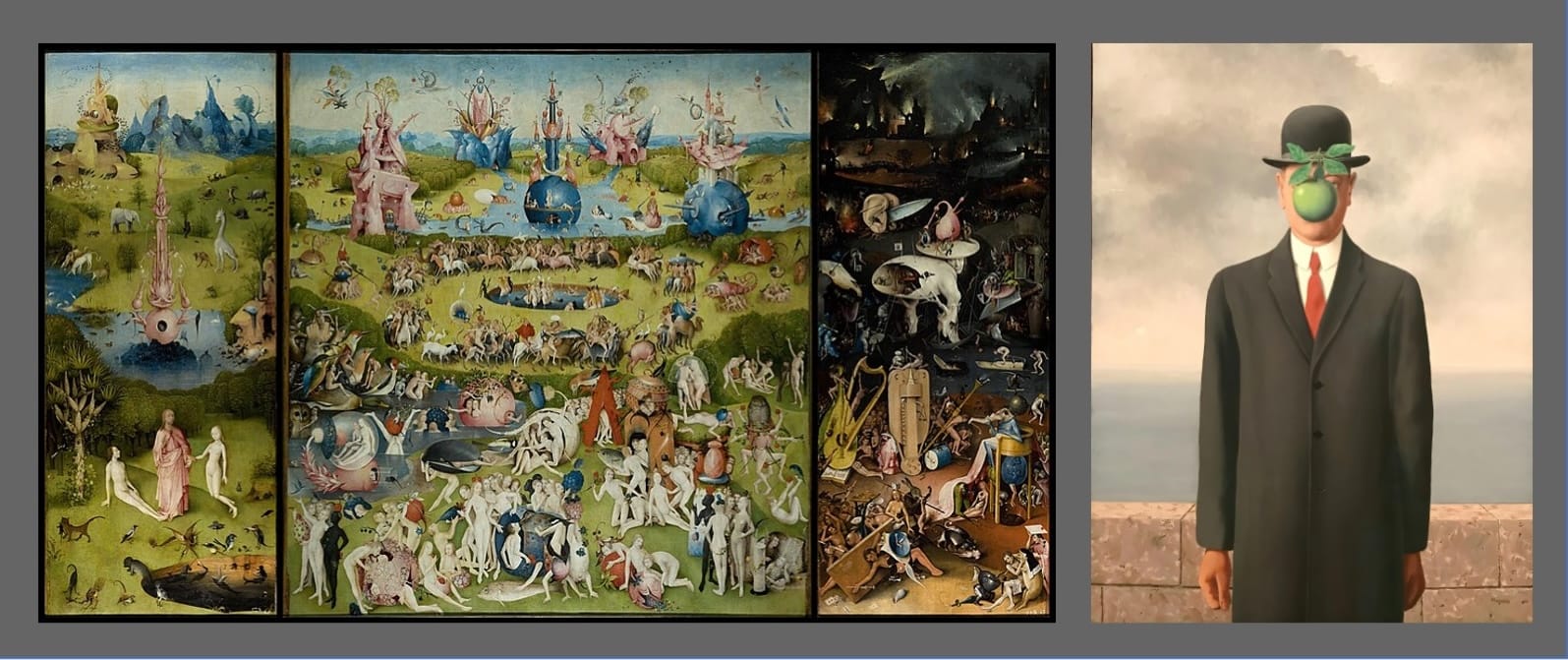
Influences on Stephen extend beyond Malaysia. He studied artists and movements ranging from masters like Rembrandt, a childhood favourite, and Monet to Symbolism and Surrealism. Later, pop art, especially its Warhol incarnation, became a focus. Yet the purpose was never imitation. He wanted to understand what these artists had discovered and then transform those possibilities within his own practice.
This approach was central to how he handled his craft: not just as an artist, but as a storyteller who does not reveal the entire story at first glance. Instead, Stephen plants clues. An object, number, word or image may carry a particular significance, while several elements placed together create layers of meaning. The viewer is invited to look more closely, make connections and construct an interpretation.
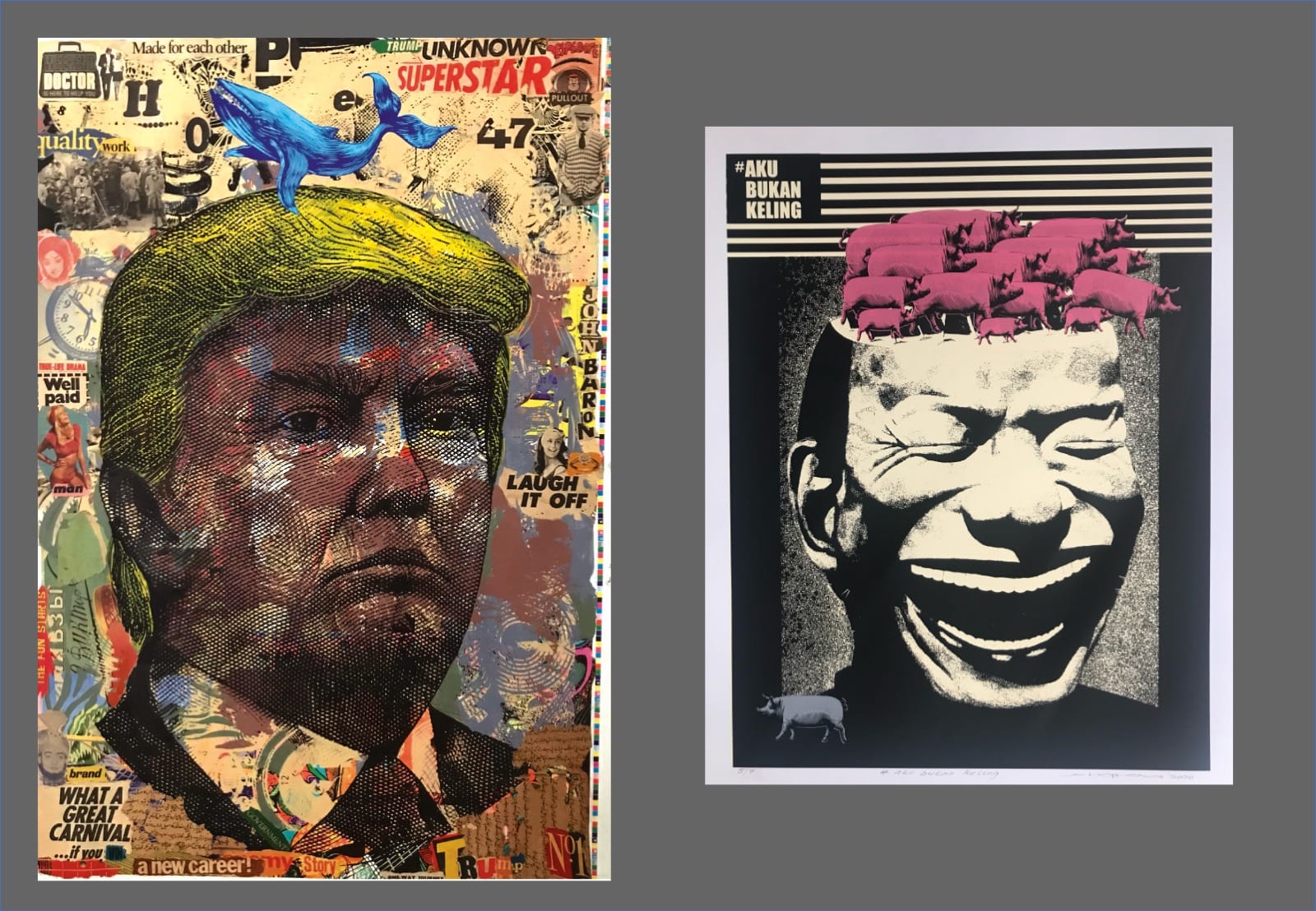
His piece on Donald Trump, begun during the Covid-19 period, provides a clear example. Stephen researched Trump extensively, including his personality, actions, and the contrasting ways he is perceived. Rather than translating this research directly into an illustration, he converted aspects of it into visual clues. The number 47, for example, refers to Trump’s position as the 47th President of the United States, while other words and images contribute to a larger visual puzzle. Even the recognisable yellow hair becomes part of the symbolic vocabulary.
This approach represents a natural progression from Stephen’s earliest training. The young artist who once learnt to observe the planes of a face in Taman Kerang has kept that discipline of close looking. What has changed is what he is looking for. His art has moved from accurately depicting what is visible to exploring what might lie beneath it.
In Stephen’s work, symbolism therefore becomes a form of storytelling. His images do not necessarily reveal everything immediately. Instead, they encourage the viewer to pause, investigate and look again. The mystery is not a barrier to understanding; it invites participation.
Acknowledgement: This story was generated mainly from a three-hour Zoom interview among me, Kenneth Ang and Stephen Menon a few months ago. Kenneth generated the transcript and compiled the contents into seven mini-chapters to be edited and published later. It was on these pieces that Anansa wrote the story. I have therefore added him as an author.—LSJ
Click here to read Part 1: Stephen Menon: From artist to mentor